

Poison: Nature's Sneaky Secrets
Images
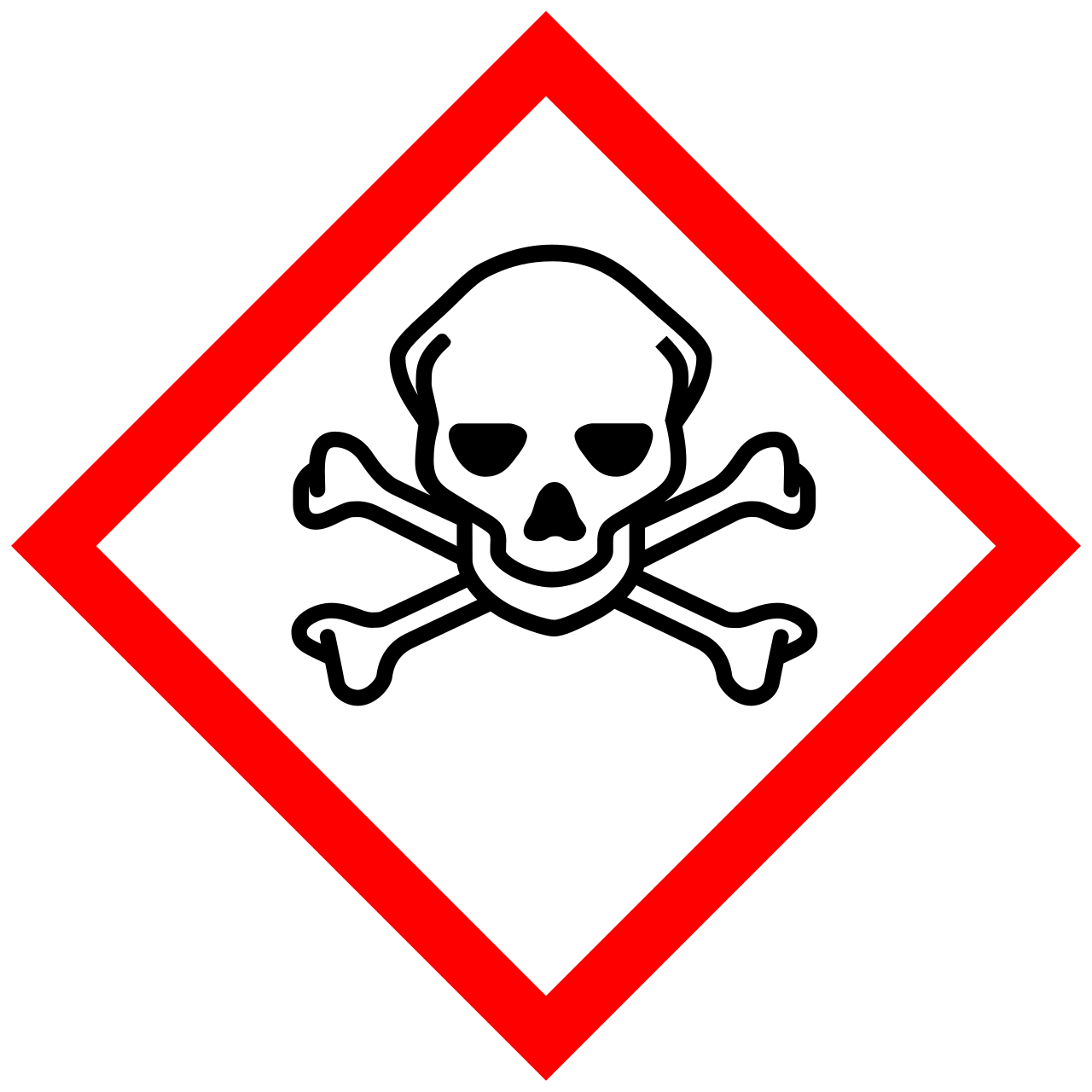
Poison


The Biochemical Warfare of Toxins
Poisons, at their core, are chemical agents that disrupt essential biological functions. Their efficacy lies in their ability to interact with specific molecular targets within an organism, leading to a cascade of detrimental effects. This interaction can manifest in various ways: neurotoxins, for example, interfere with neurotransmitter function or ion channel activity, disrupting nerve impulse transmission and potentially causing paralysis or seizures.
Cytotoxins directly damage cells, leading to tissue necrosis and organ failure. Hemotoxins affect the blood, impairing clotting or destroying red blood cells. Other poisons might inhibit critical enzymes, disrupt metabolic pathways, or interfere with DNA replication.
The specificity of these interactions is remarkable; a poison that is highly toxic to one species might have little effect on another, a testament to evolutionary adaptations and differences in biochemistry. Understanding these precise mechanisms is fundamental to toxicology and the development of targeted treatments.
A Chronicle of Poisons
The human relationship with poisons stretches back to prehistory. Early hominids likely encountered naturally occurring toxins through their diet, observing their effects on other animals. This empirical knowledge was gradually refined, leading to the deliberate use of poisons.
Ancient texts from civilizations like Egypt, Greece, and Rome describe the preparation and application of toxic substances, often for medicinal purposes, ritualistic practices, or as instruments of assassination. The development of toxicology as a formal scientific discipline gained momentum during the Renaissance and Enlightenment, with figures like Paracelsus emphasizing the dose-response relationship – 'the dose makes the poison.' The 19th and 20th centuries saw significant advancements in identifying specific toxins, understanding their chemical structures, and developing analytical methods for their detection, paving the way for forensic toxicology and the regulation of hazardous substances.
Evolutionary Arms Race
In the natural world, poisons are a product of evolution, often arising from an ongoing 'arms race' between predator and prey, or between a plant and its herbivores. For many species, toxicity is a primary defense mechanism. The aposematic coloration seen in creatures like poison dart frogs or certain insects serves as a visual warning to potential predators, advertising their unpalatability or danger. Plants have evolved a vast array of chemical defenses, producing alkaloids, glycosides, and other toxic compounds to deter herbivores.
Conversely, some predators have evolved resistance to these toxins, allowing them to consume prey that would be lethal to others, such as the garter snake's resistance to newt toxins. This intricate interplay highlights the adaptive significance of chemical defenses in shaping biodiversity and ecological relationships.
The Paradox of Poisons
One of the most profound paradoxes in toxicology is the dual nature of many poisonous substances: their capacity for harm is often mirrored by their potential for therapeutic benefit. This principle is famously encapsulated in the concept of hormesis, where a low dose of a toxin can elicit a beneficial adaptive response. Many modern pharmaceuticals are derived from or inspired by natural toxins.
For instance, botulinum toxin, one of the most potent neurotoxins known, is used in minute, purified doses for cosmetic treatments (Botox) and to manage muscle disorders. Opioids, derived from the opium poppy, are powerful painkillers but also highly addictive. The development of chemotherapy drugs often involves using cytotoxic agents that target rapidly dividing cells, a strategy that, while effective against cancer, also causes significant side effects due to damage to healthy, rapidly dividing cells.
This delicate balance between toxicity and efficacy is at the heart of drug development.
Contemporary Challenges and Future Directions in Poison Management
In the modern era, the study and management of poisons encompass a wide range of challenges. Accidental poisonings, intentional misuse, and environmental contamination remain significant public health concerns. Forensic toxicology plays a critical role in legal investigations, identifying the presence and concentration of toxic substances in biological samples.
Environmental toxicology examines the impact of pollutants on ecosystems and human health, driving regulatory policies. The rise of novel psychoactive substances and the increasing complexity of chemical exposures necessitate continuous research and adaptation in diagnostic and treatment strategies. Furthermore, the development of broad-spectrum antidotes and advanced detoxification techniques remains an active area of research, aiming to mitigate the effects of a wider array of toxic agents and improve patient outcomes in poisoning emergencies.
Go deeper
Based on content from Wikipedia · Licensed under CC BY-SA 4.0