

Plumbing: The Secret Waterways of Your Home!
Images

Plumbing




From Ancient Aqueducts to Roman Baths
The history of plumbing is intrinsically linked to the development of urban centers and public health. Early civilizations, such as those in the Indus Valley (circa 2500 BCE) and Minoan Crete, developed rudimentary but effective water supply and drainage systems using ceramic pipes and covered channels. However, it was the Roman Empire that truly revolutionized plumbing.
Their mastery of engineering led to the construction of vast aqueduct systems, some spanning over 90 kilometers, which supplied fresh water to cities for public baths, fountains, and private residences. These aqueducts, often employing gravity and precise gradients, were marvels of ancient engineering. Within cities, lead pipes, known as 'fistulae', were used for distribution.
While effective, the widespread use of lead would later be recognized as a significant health hazard. The Roman approach to sanitation, including public latrines connected to sewers, set a precedent for urban hygiene that would be lost and then painstakingly rediscovered over centuries.
The Intricate Dance of Supply and Drainage Systems
Modern plumbing is a sophisticated network comprising two primary, interconnected systems: water supply and wastewater disposal. The water supply system is designed to deliver potable water from its source (municipal treatment plants, wells) to points of use within a building. This involves a complex network of pipes, valves, and fixtures, often utilizing materials like copper, PEX, or galvanized steel, chosen for their durability, corrosion resistance, and ability to withstand pressure.
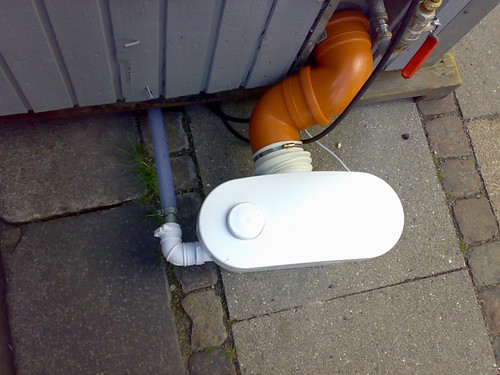
Water pressure, generated by pumps or elevated reservoirs, is crucial for efficient distribution. Conversely, the drainage system handles the removal of used water and solid waste. This system relies heavily on gravity, with pipes sloped at specific angles to ensure unimpeded flow of wastewater towards a municipal sewer line or a private septic system.
Materials like PVC, ABS, and cast iron are common for drainage due to their strength and resistance to corrosive waste. The design and installation of these systems require meticulous attention to prevent leaks, blockages, and cross-contamination, ensuring both functionality and public health.
Plumbing's Indispensable Role in Public Health and Modern Society
The impact of plumbing on human civilization cannot be overstated; it is a fundamental pillar of public health, economic development, and quality of life. Before the widespread adoption of effective plumbing and sanitation, waterborne diseases like cholera, typhoid, and dysentery were rampant, causing widespread mortality. Modern plumbing systems provide access to clean, safe drinking water and ensure the hygienic disposal of waste, drastically reducing the incidence of these diseases.
Beyond health, plumbing underpins countless aspects of modern life. It enables the operation of hospitals, restaurants, and industrial processes that require controlled water flow and waste management. The convenience of hot showers, flushing toilets, and readily available clean water has fundamentally reshaped daily routines and expectations.
Furthermore, plumbing is essential for fire safety systems and agricultural irrigation, highlighting its pervasive influence across diverse sectors of society.
The Engineering Principles
The functionality of plumbing systems relies on fundamental engineering principles, primarily water pressure and fluid dynamics. Water supply systems are engineered to maintain adequate pressure to deliver water to all fixtures, even those on upper floors. This is achieved through strategically placed pumps and elevated storage tanks, ensuring consistent flow rates.
The design must also account for friction losses within pipes and the potential for water hammer, a sudden pressure surge. Drainage systems, conversely, are designed to facilitate efficient gravity flow. The slope of drainpipes is critical; too shallow and waste may not clear properly, leading to blockages and odors, while too steep can cause 'scouring' and insufficient trap seals.
Modern plumbing also faces increasing demands for sustainability. This includes the use of water-efficient fixtures, rainwater harvesting systems, greywater recycling, and the development of more durable and environmentally friendly pipe materials. Addressing water scarcity and reducing the energy footprint of water heating and pumping are key challenges for contemporary plumbing engineering.
Plumbing in the 21st Century
In the 21st century, plumbing continues to evolve, driven by technological advancements and growing environmental concerns. Smart plumbing technologies are emerging, incorporating sensors and data analytics to monitor water usage, detect leaks in real-time, and optimize system performance. This not only enhances efficiency but also helps conserve precious water resources.
Innovations in materials science are leading to the development of even more durable, sustainable, and cost-effective piping solutions. However, significant challenges remain. Aging infrastructure in many developed nations requires substantial investment in repair and replacement to prevent failures and maintain water quality.
In developing regions, the lack of access to basic plumbing and sanitation remains a critical issue, contributing to disease and hindering socioeconomic progress. Addressing these disparities and ensuring equitable access to safe water and sanitation are paramount global health and development goals, with plumbing innovation playing a central role.
Go deeper
Frequently Asked Questions
What is plumbing?+
How does water travel from the water plant to my sink?+
Why did the Romans build aqueducts?+
What kinds of pipes are used for wastewater?+
How does plumbing keep people healthy?+
Based on content from Wikipedia · Licensed under CC BY-SA 4.0