

Pear
Images
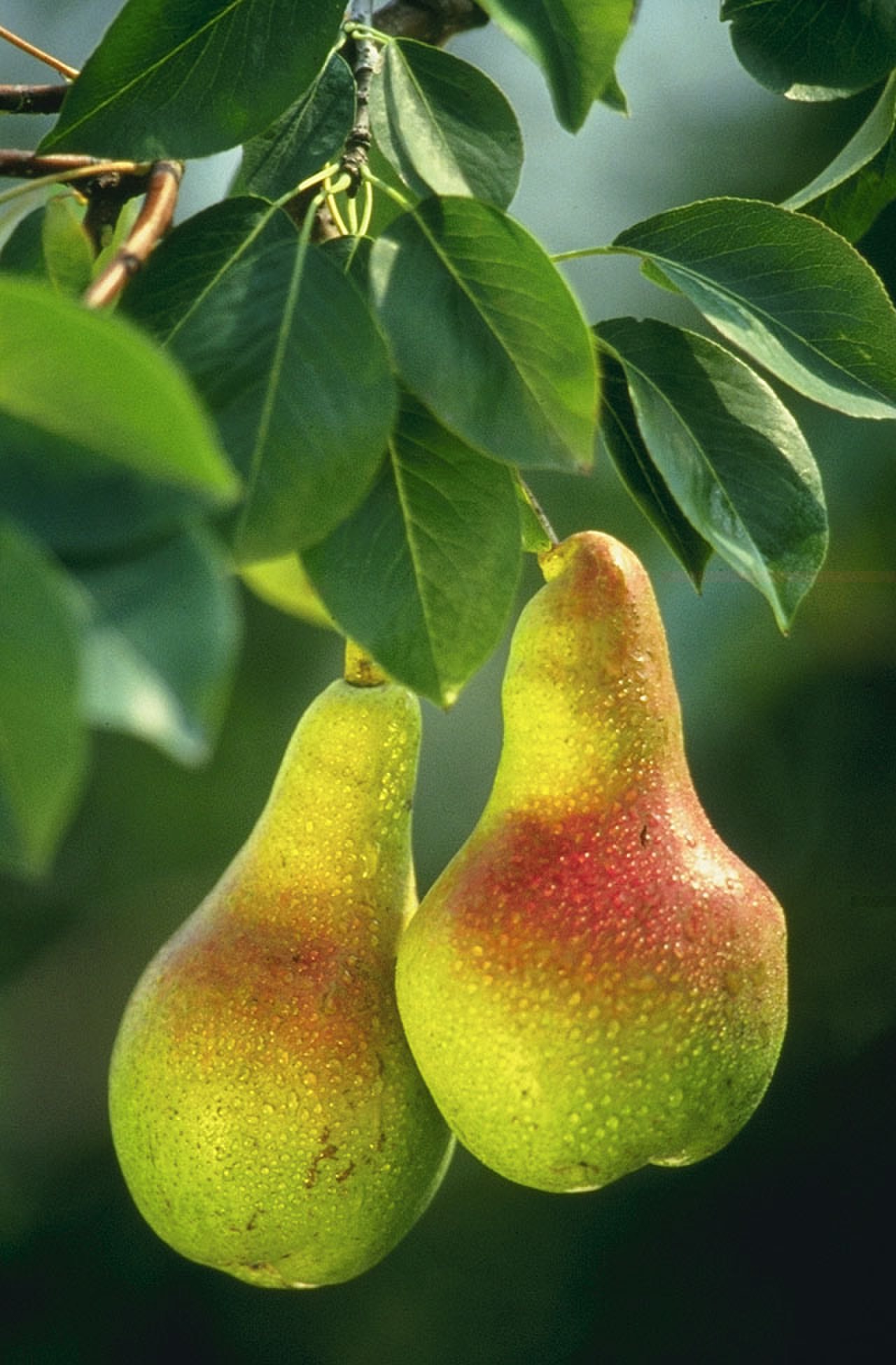
Pear
The Ancient Pedigree and Dissemination of the Pear
The pear (Pyrus communis for the European pear and Pyrus pyrifolia for the Asian pear) boasts a lineage stretching back millennia, with archaeological evidence pointing to its cultivation in Neolithic Europe and Western Asia as early as 1000 BCE. Its journey from wild ancestor to a globally recognized fruit is a story of human migration, trade, and agricultural innovation. Early civilizations recognized the pear's desirable qualities: its sweet flavor, satisfying texture, and relative hardiness.
As empires expanded and trade routes flourished, pear varieties were disseminated across continents. The Romans, for instance, were instrumental in spreading pears throughout Europe, cultivating numerous cultivars and documenting their culinary uses. Later, European colonists introduced pears to the Americas, where they adapted to new environments and hybridized, contributing to the vast array of pear types available today.
This long history underscores the pear's adaptability and its deep integration into human diets and cultures worldwide.
The Unique Physiology of Pear Ripening and Storage
One of the most fascinating aspects of the pear is its post-harvest ripening behavior, a trait that has significantly contributed to its commercial viability. Unlike fruits like cherries or berries that ripen on the tree and are highly perishable, pears are typically harvested at a mature but firm stage. This allows them to withstand the rigencies of transportation and storage.
The ripening process is triggered by ethylene gas, a plant hormone, and is characterized by a softening of the flesh, a development of sweetness, and an enhancement of aroma. This controlled ripening means that pears can be stored for extended periods in cool, controlled environments, often for months, before being brought to optimal temperatures for consumers to enjoy. This characteristic makes pears a reliable and accessible fruit throughout much of the year, a feat of agricultural science that has been refined over centuries.
Nutritional Powerhouse
Beyond their appealing taste and texture, pears are a nutritional powerhouse, offering significant health benefits that have been recognized and utilized for centuries. They are an exceptional source of dietary fiber, particularly soluble fiber such as pectin. This fiber plays a critical role in digestive health, promoting regularity, and contributing to a feeling of satiety, which can aid in weight management.
Furthermore, the fiber content in pears can help regulate blood sugar levels by slowing down the absorption of glucose. Pears also provide essential micronutrients, including Vitamin C, a vital antioxidant that supports immune function, and Vitamin K, which is crucial for blood clotting and bone health. The presence of various phytonutrients and antioxidants further contributes to their health-promoting properties, helping to combat oxidative stress and inflammation within the body.
Botanical Kinship and Culinary Versatility
The pear's botanical classification reveals a surprising and expansive family tree. As a member of the Rosaceae family, it shares kinship with a vast array of plants, including apples, quinces, strawberries, raspberries, almonds, and, most notably, roses. This shared ancestry speaks to the evolutionary history of flowering plants and the diverse adaptations that have arisen within this large family.
This botanical connection, while perhaps unexpected, highlights the interconnectedness of the plant world. In the culinary realm, the pear's versatility is nearly unparalleled. Its ability to be enjoyed raw, baked, poached, stewed, or even fermented into beverages like perry (a pear cider) makes it a staple ingredient across diverse global cuisines.
From elegant desserts to savory pairings with cheese and meats, the pear's subtle sweetness and yielding texture lend themselves to a wide range of gastronomic applications, solidifying its enduring importance in both everyday meals and fine dining.
Go deeper
Frequently Asked Questions
What is a pear?+
How do pears ripen after they are picked?+
Why are pears good for our health?+
Where did pears first grow?+
Which other fruits are related to pears?+
Based on content from Wikipedia · Licensed under CC BY-SA 4.0