

Paul Verlaine
Images

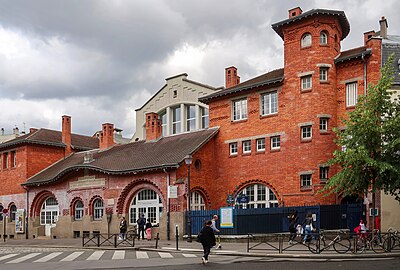
Jardin Paul Verlaine


Foundations in Sound and Symbol
Paul Verlaine (1844-1896) stands as a towering figure in French poetry, a key exponent of the Symbolist and Decadent movements that sought to imbue verse with deeper emotional resonance and suggestive power. Born into a petit-bourgeois family in Metz, Verlaine displayed an early and enduring fascination with the arts. His debut collection, 'Poèmes saturniens' (1866), published when he was merely twenty-two, already showcased his nascent genius for musicality, fluid phrasing, and nuanced wordplay.
Verlaine's work is characterized by its exploration of polysemy (multiple meanings) and prosodical manipulation, techniques that allowed him to craft poems with an almost hypnotic quality. He masterfully employed melancholy and a sense of 'chiaroscuro' in his language, creating evocative atmospheres that drew readers into introspective landscapes. His innovative use of metaphor and allegory pushed the boundaries of poetic expression, influencing generations of writers.
The Crucible of Experience
Verlaine's personal life was as tumultuous and dramatic as the fin de siècle era he inhabited. His tempestuous relationship with the younger poet Arthur Rimbaud, marked by intense passion and eventual violence, became legendary. This affair, occurring while Verlaine was married with a child, led to a notorious incident where he shot Rimbaud.
The subsequent trial and two-year prison sentence for battery and sodomy profoundly impacted Verlaine. Paradoxically, his time incarcerated became a period of intense spiritual reflection and creative output. He reverted to Catholicism, and during this confinement, he composed 'Sagesse' (published 1880), a collection that reflects his spiritual journey and artistic maturation.
This duality-a life marked by scandal and suffering, yet producing works of profound beauty and introspection-contributed to his image as an 'accursed poet'.
Defining the 'Poète Maudit'
While Verlaine did not coin the term 'poète maudit' (cursed poet), he is credited with popularizing it and embodying its archetype. This concept refers to a poet whose life is marked by suffering, societal alienation, and often self-destruction, yet whose work possesses extraordinary artistic merit and insight. Verlaine's own life, with its struggles against addiction, legal troubles, and personal demons, fit this mold.
His poetry, however, transcends mere biographical interpretation. It offers a deep exploration of the human condition, grappling with themes of guilt, desire, faith, and despair with remarkable lyrical sensitivity. His ability to convey complex emotions through subtle nuance and musical language resonated deeply with his contemporaries and continues to captivate readers today.
A Legacy in Harmony and Verse
The impact of Paul Verlaine's poetry extends far beyond the literary world, significantly influencing music and visual arts. His profound musicality made his verses exceptionally adaptable to composition, leading numerous composers, including luminaries like Claude Debussy, Gabriel Fauré, Maurice Ravel, and Igor Stravinsky, to set his poems to music. Debussy's iconic 'Clair de lune,' for instance, was inspired by Verlaine's poem of the same name.
Verlaine also contributed to opera by writing libretti. His work's evocative power and atmospheric qualities also found kinship with Impressionist painters, who sought similar effects of light and mood in their canvases. In recognition of his monumental contribution to French culture, Verlaine was honored with the title 'Prince of Poets' in 1894, a testament to his enduring legacy.
See also
Frequently Asked Questions
Who was Paul Verlaine?+
What is a "cursed poet" and why did people call Verlaine that?+
What happened between Verlaine and the poet Arthur Rimbaud?+
Did Verlaine write any books for children?+
How did Verlaine's poems influence music?+
Based on content from Wikipedia · Licensed under CC BY-SA 4.0