

Parliament of Ghana
Images

Parliament of Ghana Editathon - Event1of3 57


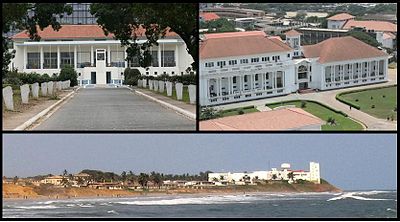



The Architecture of Ghanaian Governance
The Parliament of Ghana stands as the supreme legislative body, a unicameral institution tasked with the critical responsibility of enacting laws and overseeing the executive branch. Its structure is defined by 276 members, each representing a distinct single-seat constituency. This means that geographical areas are delineated, and within each, voters choose one representative.
The electoral mechanism employed is the 'first-past-the-post' system, a plurality voting method where the candidate securing the highest number of votes wins the seat, irrespective of whether they achieve an absolute majority. This system, while straightforward, can sometimes lead to outcomes where a party wins a majority of seats with less than 50% of the national vote, a point of ongoing discussion in electoral studies. The elected members serve for a fixed term of four years, a period designed to allow for policy implementation and continuity while also providing regular opportunities for the electorate to renew or change their mandate, thereby ensuring a degree of responsiveness to public sentiment.
The Mandate of the Members
The 276 members of Parliament are not merely delegates; they are custodians of the nation's legislative power and conduits for citizen representation. Their primary function is to debate, amend, and pass legislation that governs every facet of Ghanaian society, from economic policy and social welfare to foreign relations and national security. Beyond lawmaking, Parliament plays a crucial oversight role, scrutinizing the actions of the executive government through questions, debates, and committee work.
This accountability mechanism is fundamental to a healthy democracy, preventing the concentration of unchecked power. The members are expected to represent the interests of their constituents, bringing local concerns and perspectives to the national stage, while also acting in the broader interest of the nation. Their deliberations are broadcast and reported, fostering transparency and allowing the public to engage with the political process.
The Enduring Significance
The Parliament of Ghana is far more than just a building or a group of people; it is a vital institution that underpins the nation's democratic framework. Its existence ensures that governance is conducted through established legal processes and that power is derived from the consent of the governed. In a country with diverse ethnic, regional, and political interests, Parliament serves as a crucial forum for negotiation, compromise, and consensus-building.
It provides a peaceful and structured avenue for resolving political disagreements, thereby contributing to national stability. The legislative output of Parliament directly shapes the socio-economic landscape of Ghana, influencing development trajectories and the quality of life for its citizens. Its role in holding the executive accountable is paramount, safeguarding against potential abuses of power and ensuring that government actions align with the public good.
Evolution and Context
The journey of Ghana's Parliament is intrinsically linked to the nation's post-colonial history and its commitment to democratic governance. While the current parliamentary system has evolved significantly, its conceptual foundations can be traced through various constitutional arrangements since independence. Each iteration of Ghana's Parliament has navigated unique challenges, from nation-building and economic development to political transitions and constitutional reforms.
Understanding this historical context reveals Parliament not as a static entity, but as a dynamic institution that adapts to the evolving needs and aspirations of the Ghanaian people. The debates and decisions within its chambers reflect the ongoing process of defining national identity, charting economic progress, and strengthening democratic institutions. It represents a continuous effort to refine governance structures and ensure that the voice of the people remains central to the nation's destiny.
Parliamentary Dynamics
The daily operations within Ghana's Parliament are a complex interplay of debate, negotiation, and policy formulation. Members engage in rigorous discussions, presenting arguments, and challenging opposing viewpoints to shape legislation. The committee system plays a pivotal role, allowing for in-depth examination of specific policy areas, expert testimony, and the refinement of proposed laws before they reach the plenary session.
This structured approach ensures that legislation is thoroughly vetted and considers a wide range of implications. The effectiveness of Parliament is often measured by its ability to foster constructive dialogue across party lines and to translate the diverse needs of the populace into coherent and implementable public policy. The ongoing challenge is to maintain public trust and ensure that the legislative process remains transparent, inclusive, and responsive to the evolving needs of Ghanaian society.
See also
Frequently Asked Questions
What is the Parliament of Ghana?+
How are members of Parliament chosen?+
How long do Parliament members serve?+
What does Parliament do besides making laws?+
Why is Parliament important for Ghana?+
Based on content from Wikipedia · Licensed under CC BY-SA 4.0