

Para swimming
Images
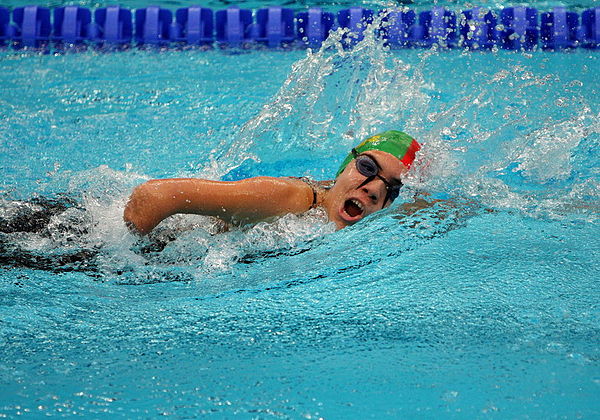
Para swimming
The Evolution and Global Reach of Para Swimming
Para swimming represents a sophisticated adaptation of aquatic sports, meticulously crafted to enable athletes with diverse physical and visual impairments to compete at the highest levels. This discipline is a flagship sport within the Paralympic Games, drawing global attention and showcasing extraordinary athletic talent. The sport is governed by the International Paralympic Committee (IPC), which establishes the rules, regulations, and classification systems that ensure fair and equitable competition worldwide.
Para swimmers participate in a range of events, mirroring those in able-bodied swimming, including freestyle, backstroke, breaststroke, and butterfly, across various distances. The competitive landscape is structured to pit athletes against peers with similar functional abilities, fostering intense rivalries and remarkable displays of skill, power, and endurance. The sport’s inclusion in the Paralympics underscores its significance as a platform for athletic excellence and a powerful symbol of inclusivity.
Historical Trajectory
The genesis of para swimming is deeply intertwined with post-war rehabilitation efforts and the burgeoning disability sports movement. Sir Ludwig Guttmann's pioneering work at the Stoke Mandeville Hospital in the UK, which integrated sport into the recovery process for injured servicemen, laid crucial groundwork. The annual Stoke Mandeville Games, initiated in 1948, evolved into the International Stoke Mandeville Games, eventually inspiring the inaugural Paralympic Games in Rome in 1960.
Para swimming was integral to these early Games, demonstrating the potential for individuals with disabilities to achieve elite athletic status. Since then, the sport has undergone significant development, marked by advancements in training methodologies, sports science, and the refinement of its classification system. This evolution has transformed para swimming from a rehabilitative activity into a globally recognized elite sport, attracting dedicated athletes and substantial international interest.
The Critical Role of Classification in Para Swimming
A cornerstone of para swimming is its intricate classification system, designed to create a level playing field by grouping athletes based on the degree to which their impairment affects their swimming performance. This system is crucial for ensuring fair competition, as it accounts for a wide spectrum of disabilities, including those affecting limbs, vision, and neurological function. The IPC oversees this process, employing a team of classifiers who assess athletes' functional abilities.
Athletes are assigned to specific sport classes, denoted by a letter and number (e.g., S1-S10 for physical impairments, S11-S13 for visual impairments, SB for breaststroke, SM for individual medley). Swimmers compete within these classes, meaning they race against others with comparable functional capacities. This rigorous system allows for meaningful competition where strategy, training, and innate talent are the primary determinants of success, rather than the specific nature of an athlete's impairment.
Broader Implications
The significance of para swimming transcends athletic achievement; it serves as a potent catalyst for social change and individual empowerment. For athletes, participation offers profound benefits, including enhanced physical fitness, improved mental well-being, and a strengthened sense of self-efficacy. The sport fosters a strong sense of community and belonging, connecting individuals with shared experiences and aspirations.
On a societal level, para swimming plays a vital role in challenging ingrained stereotypes and dismantling societal barriers associated with disability. By showcasing the exceptional capabilities and resilience of para athletes, the sport promotes greater understanding, advocates for inclusion, and inspires broader societal acceptance. It powerfully communicates that disability is not an endpoint but a different facet of human experience, and that athletic excellence is achievable by all, regardless of physical or sensory differences.
Strategic Considerations and Future Directions
Para swimming demands strategic thinking from athletes and coaches, particularly concerning race pacing, stroke technique optimization within classification constraints, and mental preparation. Athletes must master their specific strokes while leveraging any advantages their classification allows, all within the framework of the IPC's rules. The sport continues to evolve, with ongoing research into biomechanics and training techniques aimed at further enhancing performance and ensuring the integrity of the classification system.
Future directions may involve greater integration with able-bodied swimming events, increased technological innovation in adaptive equipment, and continued efforts to expand participation globally, particularly in developing nations. The ultimate goal remains to provide a world-class competitive environment that celebrates athletic prowess and champions the inclusive spirit of the Paralympic movement.
See also
Frequently Asked Questions
What is para swimming?+
How are para swimmers grouped for races?+
Where did para swimming begin?+
Why is para swimming important?+
Who sets the rules for para swimming?+
Based on content from Wikipedia · Licensed under CC BY-SA 4.0