

Papua New Guinea: Land of Many Tongues!
Images
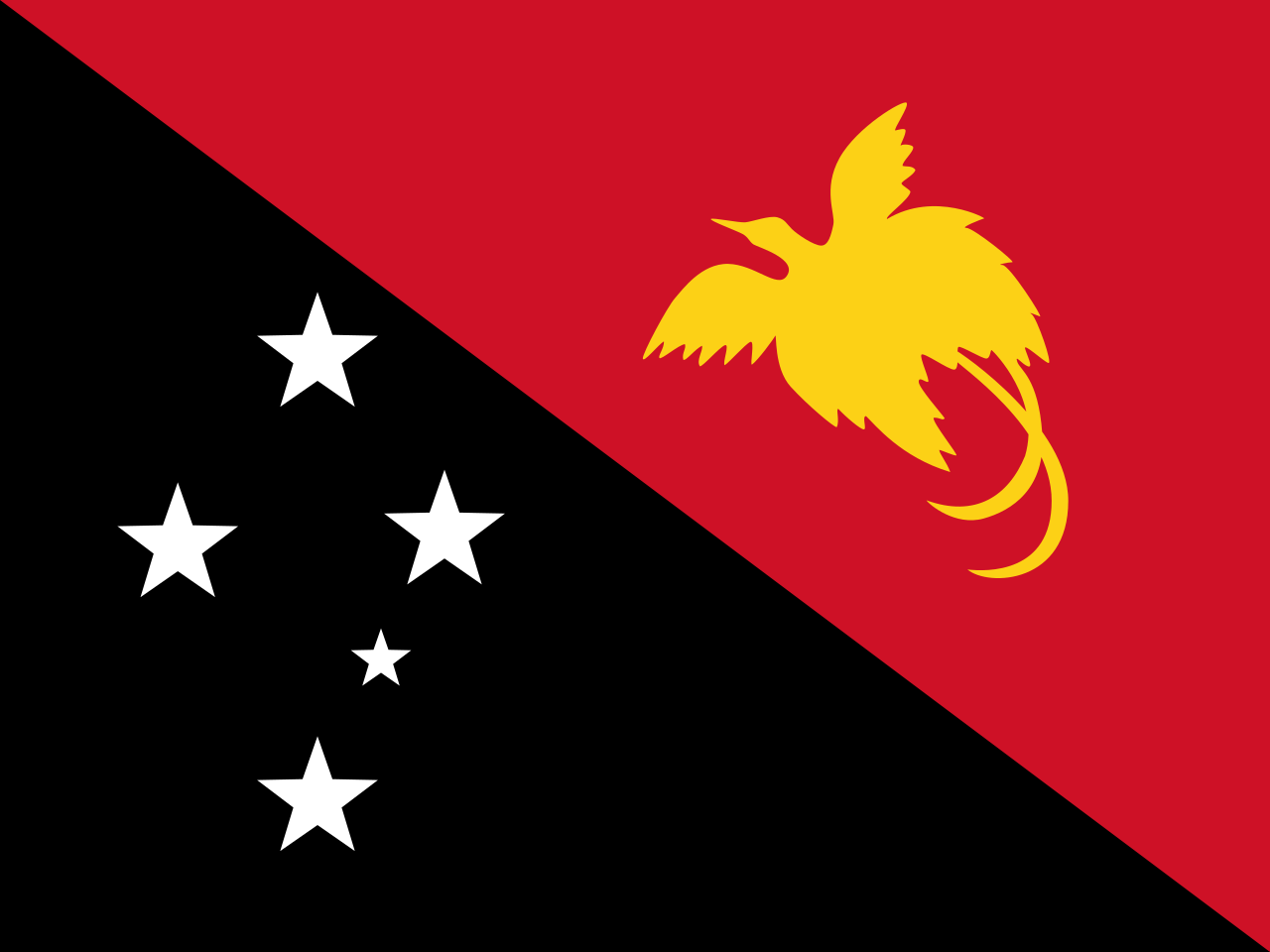
Papua New Guinea
Geographic Extremes and Biodiversity Hotspot
Papua New Guinea occupies the eastern half of the island of New Guinea and numerous offshore islands, situated in Oceania north of Australia. Its geography is dramatically varied, characterized by rugged mountain ranges, extensive rainforests, and a long coastline. This diverse terrain covers an area of 462,840 km², making it a substantial nation.
The country's location and varied ecosystems have resulted in it being a global biodiversity hotspot, supporting approximately 5% of all known species on Earth. This rich natural environment includes unique flora and fauna, many of which are found nowhere else. The mountainous interior, in particular, has historically isolated communities, contributing to the nation's remarkable cultural and linguistic fragmentation.
Its proximity to Australia and its position within Melanesia shape its regional relationships.
A Complex Colonial Past and Independent Future
The modern state of Papua New Guinea is the product of a complex colonial history. In the 1880s, the territory was partitioned between German New Guinea in the north and the British Territory of Papua in the south. Following World War I, Australia assumed control over both territories.
The island became a significant theater of operations during World War II, with fierce fighting occurring across the land. The post-war period saw the unification of the two territories under Australian administration in 1949. This consolidation laid the groundwork for eventual independence, which was achieved in 1975.
The country adopted a Westminster system of government, with a Prime Minister leading the executive branch and Members of Parliament also serving as provincial leaders, reflecting a unique blend of national and regional governance structures. The Governor-General represents the King, maintaining a link to the Commonwealth realm.
Unprecedented Linguistic and Cultural Mosaic
Papua New Guinea stands unparalleled globally for its linguistic diversity, with an estimated 840 distinct spoken languages. This extraordinary linguistic landscape is a direct reflection of its fragmented geography and the historical isolation of its communities. While official languages like English and Tok Pisin facilitate inter-group communication, the vast majority of the population resides in rural areas, preserving unique cultural practices and traditional lifestyles.
The Papua New Guinea Constitution explicitly protects these traditions, underscoring their importance to national identity. This deep cultural richness, however, also presents significant challenges for national cohesion and governance, sometimes leading to social friction and requiring concerted efforts to address issues like violence against women. The recent constitutional amendment to adopt Christianity as the official state religion in March 2025 highlights the significant role of faith in contemporary society.
Economy Rooted in Nature and Tradition
The economy of Papua New Guinea is characterized by a dual structure, with a significant portion of the population engaged in subsistence farming. Nearly 40% of the people live relatively independently of the cash economy, relying on traditional agricultural practices for their livelihoods. This deep connection to the land is a defining feature of the nation.
Alongside subsistence farming, the economy is export-driven, heavily dependent on natural resources such as minerals, oil, and timber. This reliance on primary commodities makes the economy vulnerable to global price fluctuations. The country maintains close historical ties with Australia and is actively strengthening its relationships with Asian and other Pacific nations, seeking to diversify its economic partnerships and foster development.
The challenge lies in balancing resource extraction with environmental sustainability and ensuring that economic growth benefits the broader population.
Education and Societal Development
Education in Papua New Guinea faces unique challenges due to the country's extreme diversity and vast rural population. While the government strives to provide educational opportunities, access can be limited in remote areas. The curriculum often aims to balance modern academic subjects with the preservation of traditional knowledge and cultural practices.
The high number of languages means that educational materials and teacher training must cater to a wide range of linguistic backgrounds. The nation's constitution emphasizes the importance of education for national development and the empowerment of its citizens. Despite these efforts, disparities in educational attainment persist between urban and rural areas, and between different regions.
Addressing these inequalities is crucial for fostering social mobility and ensuring that all Papua New Guineans can participate fully in the nation's future.
Go deeper
Frequently Asked Questions
How many languages are spoken in Papua New Guinea?+
Where is Papua New Guinea located?+
How did Papua New Guinea become an independent country?+
What do most people in Papua New Guinea do for a living?+
What is the official religion of Papua New Guinea?+
Based on content from Wikipedia · Licensed under CC BY-SA 4.0