

Pamonha
Images

Pamonha




The Genesis and Evolution of Pamonha
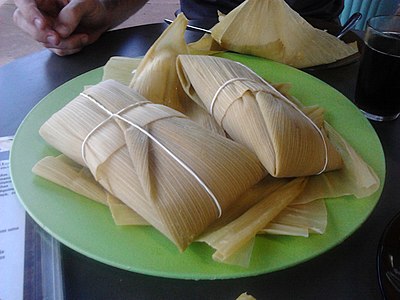
Pamonha stands as a profound example of indigenous culinary ingenuity, a dish whose origins predate European colonization in Brazil. Its fundamental construction-utilizing the readily available corn and its own husks as a natural, biodegradable cooking vessel-speaks to a deep understanding of sustainable food practices and resourcefulness. The core ingredients, sweet corn and coconut milk, represent staples of Brazilian agriculture and tropical ecosystems.
The whisking of corn creates a smooth, starchy paste, while the addition of coconut milk introduces lipids and a distinct flavor profile, transforming it from simple sustenance to a delicacy. This method of boiling the corn husk parcels is an ancient technique, ensuring even cooking and infusing the food with subtle vegetal notes from the husks. The evolution of pamonha is a narrative of adaptation and regionalization; while the sweet version is ubiquitous, variations incorporating cheese, spices, or even savory elements like meat have emerged, reflecting the diverse palates and agricultural landscapes across Brazil's vast territory.
Pamonha's Socio-Cultural Resonance
The significance of pamonha extends far beyond its gustatory appeal; it is deeply interwoven with the social and cultural fabric of Brazil. Its prominence during the Festas Juninas, a series of vibrant celebrations honoring saints like Saint Anthony, Saint John, and Saint Peter, elevates it to an emblematic dish of this period. These festivals, rooted in European harvest traditions and adapted to Brazilian culture, are characterized by communal gatherings, traditional music, and an abundance of regional foods, with pamonha being a central offering.
The act of preparing and sharing pamonha during these times reinforces community bonds, transmits cultural heritage across generations, and serves as a tangible connection to agricultural cycles and rural life. For many Brazilians, the aroma and taste of pamonha evoke powerful feelings of nostalgia, childhood memories, and a sense of national identity, making it a potent symbol of Brazilian culinary heritage.
The Science and Art of Pamonha Preparation
The creation of pamonha is a fascinating interplay of culinary art and basic food science. The primary ingredient, sweet corn (Zea mays saccharata), is rich in starches and sugars. Whisking the corn kernels breaks down their cellular structure, releasing starches and creating a viscous paste.
This process is crucial for achieving the characteristic smooth, pudding-like texture. Coconut milk, derived from the endosperm of mature coconuts, adds emulsified fats and proteins, contributing to the richness, creaminess, and stability of the mixture. The corn husks act as a natural, permeable cooking pouch. During boiling, water permeates the husks, transferring heat to the pamonha mixture.
The husks prevent the paste from dispersing into the water while allowing steam to cook it thoroughly. This method is akin to steaming or poaching, resulting in a tender, moist product. The Maillard reaction and caramelization, common in many cooked foods, are less pronounced here due to the relatively low cooking temperatures and moist environment, preserving the fresh, sweet corn flavor.
Regional Diversity and Modern Interpretations of Pamonha
Brazil's immense size and diverse climates have fostered a rich tapestry of regional cuisines, and pamonha is no exception. While the sweet version, often simply flavored with coconut milk and sometimes a touch of sugar or cinnamon, is widely popular, significant regional variations exist. In some areas, particularly in the Northeast, savory pamonhas are common.
These might include additions like grated cheese (queijo coalho), bits of pork, or even a spicy pepper paste, offering a complex counterpoint to the sweetness. The type of corn used can also vary, influencing the final texture and flavor. Modern culinary trends have also seen pamonha reimagined in innovative ways, appearing in gourmet restaurants or adapted into desserts like ice cream or mousses.
However, the traditional preparation remains deeply cherished, representing an enduring link to Brazil's agricultural past and its vibrant culinary identity.
Pamonha in the Global Context
While deeply rooted in Brazilian culture, pamonha has also found its way into the global culinary landscape, particularly in communities with significant Brazilian populations. Its unique preparation and distinct flavor profile offer a taste of home for expatriates and an intriguing new experience for international food enthusiasts. As global interest in diverse cuisines grows, dishes like pamonha are increasingly recognized for their cultural significance and culinary merit.
The simplicity of its ingredients, combined with the ingenuity of its preparation, makes it an accessible yet authentic representation of Brazilian foodways. Its journey beyond Brazil highlights the universal appeal of comfort foods and the power of food to connect people across borders, sharing a piece of Brazilian heritage with the world.
See also
Based on content from Wikipedia · Licensed under CC BY-SA 4.0