

Motorcycles: Zooming Through Fun!
Images
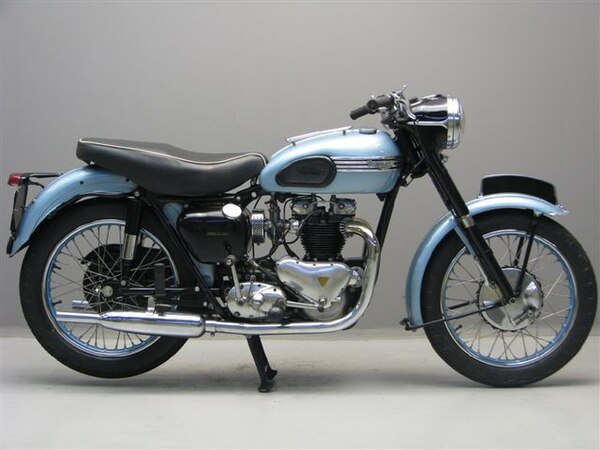
Outline of motorcycles and motorcycling
Defining the Motorcycle
A motorcycle is fundamentally defined as a two-wheeled, single-track motor vehicle. This classification distinguishes it from other forms of motorized transport, emphasizing its unique dynamic characteristics and operational requirements. The term 'motorcycle' is often used interchangeably with 'motorbike' or 'cycle,' though nuances in usage can sometimes imply differences in size or style.
The core mechanical components include a frame, an engine, a transmission, suspension, wheels, brakes, and controls. The engine, typically an internal combustion engine ranging from small single-cylinder units to complex multi-cylinder configurations, generates motive power. This power is transmitted to the rear wheel via a drivetrain, commonly a chain, belt, or shaft.
The rider interacts with the machine through handlebars for steering, a throttle to regulate engine speed, and a combination of hand levers and foot pedals for braking and gear selection. The inherent instability of a two-wheeled vehicle at rest necessitates rider input for balance, a fundamental aspect of motorcycling that differentiates it from four-wheeled vehicles. This intricate interplay between machine and rider forms the basis of the motorcycling experience.
Genesis and Evolution
The lineage of the motorcycle traces back to the late 19th century, a period of intense innovation in personal transportation. Early pioneers sought to mechanize the bicycle, attaching steam engines and later internal combustion engines to existing bicycle frames. The late 1880s and 1890s saw the emergence of some of the first true motorcycles, often characterized by their experimental designs and limited practicality.
Companies like Hildebrand & Wolfmüller in Germany and La Société de Construction de Motos in France were among the early manufacturers. The subsequent decades witnessed rapid technological advancements. Engine power increased, designs became more refined, and features like pneumatic tires, improved suspension, and more effective braking systems were introduced. World Wars also played a role, spurring development in engine efficiency and durability for military applications.
By the mid-20th century, motorcycles had evolved into diverse forms, including utilitarian models, sporty machines, and comfortable cruisers, reflecting a growing understanding of rider needs and preferences. This historical trajectory highlights a continuous pursuit of performance, reliability, and rider engagement.
The Mechanics of Motion
Operating a motorcycle involves a sophisticated coordination of rider input and machine response. The engine's power output is managed by the throttle, which controls the amount of fuel and air entering the combustion chambers. The transmission allows the rider to select different gear ratios, optimizing engine performance for various speeds and conditions.
Lower gears provide more torque for acceleration from a standstill, while higher gears allow for more efficient cruising at higher speeds. Braking is achieved through independent front and rear brake systems, typically disc brakes, which convert kinetic energy into heat to slow the vehicle. Steering is accomplished by turning the handlebars, which pivots the front fork and wheel.
However, at speed, counter-steering-pushing forward on the handlebar in the direction you want to turn-becomes the primary method for initiating a lean into a corner. This counter-intuitive technique is essential for stable and precise maneuvering. The rider's ability to anticipate road conditions, manage speed, and execute smooth control inputs is paramount to safe and effective motorcycling.
Beyond Transportation
Motorcycling transcends its function as a mode of transport to encompass a rich array of subcultures and lifestyles. The shared experience of riding has fostered strong community bonds, often organized around specific types of motorcycles, riding styles, or shared interests. These communities manifest in various ways, from organized club rides and rallies to informal gatherings and online forums.
The aesthetic and performance characteristics of motorcycles have also influenced fashion, art, and popular culture. Different motorcycle genres-sportbikes, cruisers, touring bikes, adventure bikes, and off-road machines-cater to distinct rider demographics and aspirations, each with its own set of associated values and traditions. For many, motorcycling represents a form of freedom, a connection to the environment, and an escape from the mundane.
The act of riding can be a deeply personal experience, offering a unique perspective on the world and a sense of empowerment. This multifaceted cultural impact underscores the enduring appeal and significance of motorcycling as a global phenomenon.
The Enduring Significance
In contemporary society, motorcycles continue to hold relevance across multiple domains. Economically, they offer an efficient and often more affordable alternative to automobiles, particularly in densely populated regions or developing economies where fuel efficiency and maneuverability are highly valued. They play a role in logistics and delivery services, and their use in law enforcement and emergency services highlights their utility.
Recreationally, motorcycling remains a popular pastime, attracting millions worldwide who seek adventure, sport, or relaxation. The industry itself is a significant economic driver, supporting manufacturing, sales, and aftermarket services. Technologically, advancements in motorcycle design, including the integration of electronic rider aids, improved safety features, and more efficient engine technologies, continue to push the boundaries of vehicle engineering.
The cultural impact persists, with motorcycling continuing to symbolize independence, rebellion, and a spirit of adventure. The ongoing evolution of motorcycle design and the enduring passion of riders ensure their continued presence and importance in the global landscape.
See also
Based on content from Wikipedia · Licensed under CC BY-SA 4.0