

Ornette Coleman
Images
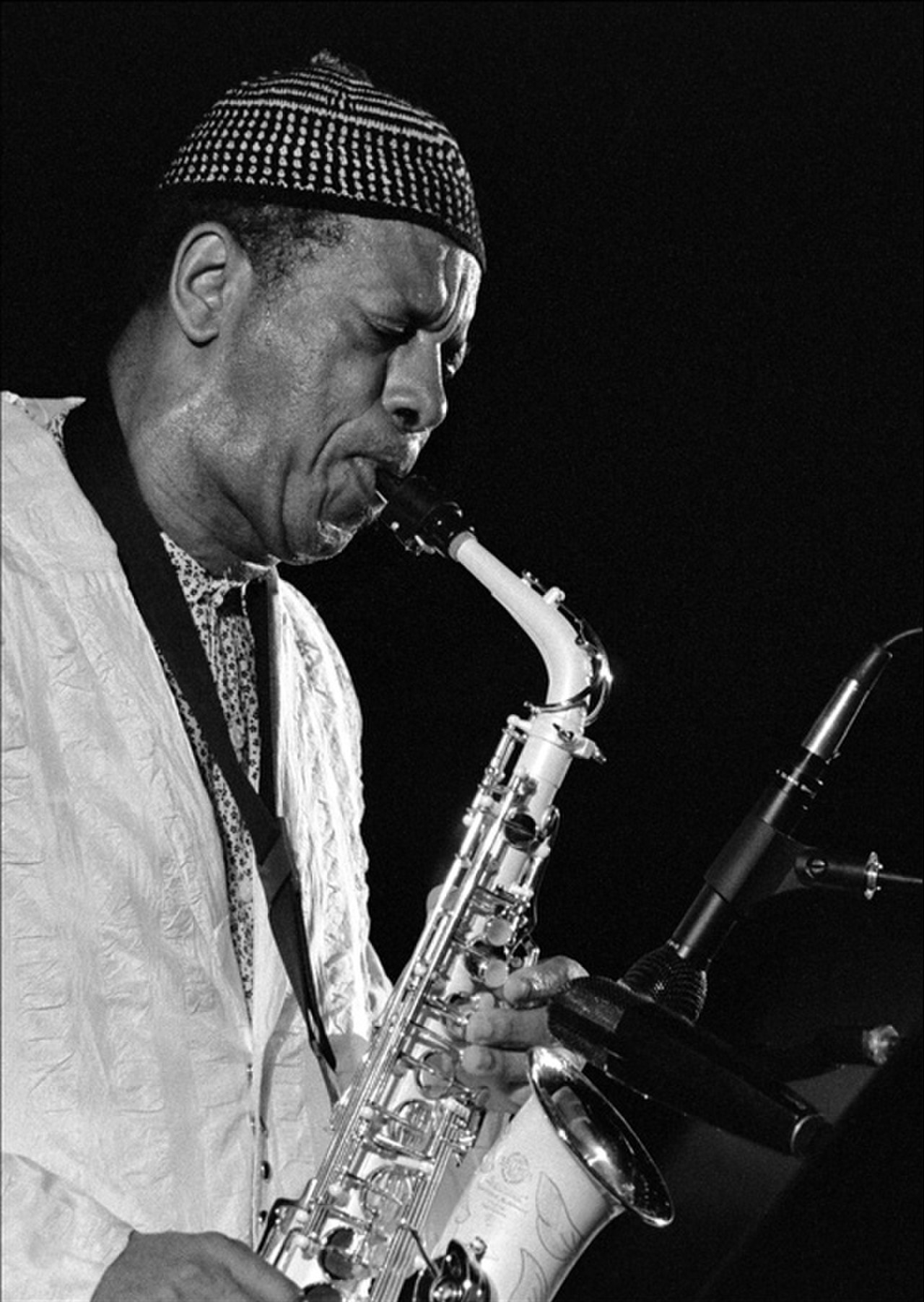
Ornette Coleman


The Genesis of a Sound
Ornette Coleman's journey from Fort Worth, Texas, to the forefront of musical innovation is a testament to his relentless pursuit of authentic expression. Born in 1930, he was largely self-taught on the saxophone, absorbing influences from R&B and bebop before forging his own path. His early career saw him playing in various groups, but a growing dissatisfaction with the harmonic constraints of conventional jazz fueled his desire for a more liberated musical language.
By the late 1950s, after relocating to Los Angeles, Coleman began assembling ensembles that would become crucibles for his radical ideas. His quartet, featuring luminaries like Don Cherry, Charlie Haden, and Billy Higgins, became a focal point for this emerging sound. The group's controversial residency at the Five Spot in New York City in 1959, coupled with the release of his Atlantic Records debut, 'The Shape of Jazz to Come,' marked a pivotal moment.
This album, with its unconventional melodic and harmonic structures, challenged the very foundations of jazz, polarizing critics and audiences alike but undeniably signaling the arrival of a new era.
Deconstructing Jazz
Coleman is most celebrated as the principal architect of free jazz, a genre he not only named but profoundly defined. The core of his innovation lay in his deliberate abandonment of traditional jazz elements: fixed chord changes, tonal centers, and rigid rhythmic structures. Instead, he championed an approach rooted in melodic freedom and collective improvisation, emphasizing blues phrasing and emotional intensity as guiding principles.
His seminal 1960 album, 'Free Jazz: A Collective Improvisation,' was more than just a recording; it was a sonic manifesto that gave the movement its name and its identity. This radical departure from established norms was met with fierce resistance from some quarters, who viewed his music as chaotic or even fraudulent. However, for others, it represented a profound liberation, an opportunity for musicians to engage in a more direct and unmediated form of musical dialogue, creating music that was spontaneous, unpredictable, and deeply personal.
His compositions from this era, such as 'Lonely Woman' and 'Broadway Blues,' became enduring standards that continue to be studied and performed.
Harmolodics and Beyond
Coleman's creative drive never waned, pushing him to explore new sonic territories throughout his career. In the mid-1960s, he moved to labels like Blue Note and Columbia, continuing his experimental trajectory. A significant development was his exploration of symphonic music, culminating in the 1972 album 'Skies of America,' which featured the London Symphony Orchestra.
This collaboration demonstrated his ambition to integrate his avant-garde sensibilities with established orchestral traditions. In the mid-1970s, he formed Prime Time, a group that delved into electric jazz-funk and became the vehicle for his groundbreaking concept of 'harmolodics.' This philosophy, which he developed and refined over decades, proposed a radical rethinking of the relationship between harmony, melody, and rhythm, suggesting they could coexist independently yet harmoniously. The establishment of the Harmolodic record label with his son Denardo in 1995 underscored his commitment to controlling and disseminating his unique artistic vision on his own terms.
A Legacy of Uncompromising Vision and Enduring Influence
Ornette Coleman's profound impact on 20th and 21st-century music is undeniable. His fearless innovation not only birthed free jazz but also influenced countless musicians across genres, encouraging them to question conventions and embrace radical creativity. His 2006 album, 'Sound Grammar,' earned him the Pulitzer Prize for Music, a rare and significant honor for a jazz artist, recognizing the enduring artistic merit and cultural importance of his work.
This award solidified his status not just as a rebel, but as a master composer and a visionary whose ideas transcended musical boundaries. Coleman's legacy is one of uncompromising artistic integrity, a testament to the power of individual vision in shaping the course of cultural history. He demonstrated that true musical freedom comes from listening deeply, playing honestly, and daring to create something entirely new, leaving an indelible mark on the landscape of modern music.
Go deeper
Frequently Asked Questions
Who was Ornette Coleman?+
What is free jazz?+
Why did Ornette Coleman change the way people played jazz?+
What is "harmolodics"?+
Did Ornette Coleman play with an orchestra?+
Based on content from Wikipedia · Licensed under CC BY-SA 4.0