

Ordre des Arts et des Lettres
Images

Ordre des Arts et des Lettres award


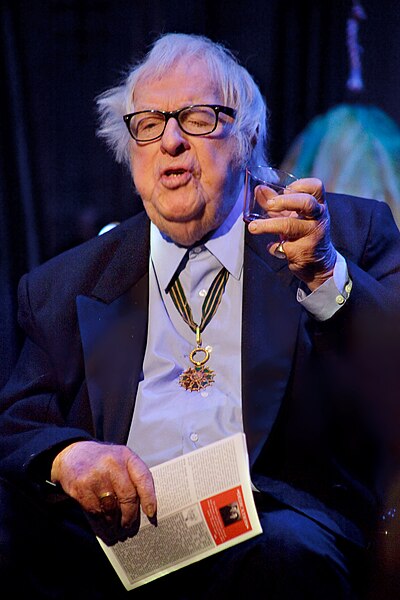


The Genesis and Evolution of a Cultural Accolade
The Ordre des Arts et des Lettres, established on May 2, 1957, by the French Minister of Culture, stands as a testament to France's enduring commitment to celebrating artistic and literary achievement. Its creation was a deliberate effort to provide a distinct honor for those who have significantly contributed to the arts and literature, or to the dissemination of these fields. The order's supplementary status to the more general Ordre national du Mérite was officially confirmed by President Charles de Gaulle in 1963, solidifying its unique position within the French honors system.
This modern order draws its lineage from historical French chivalric orders, most notably the Order of Saint Michael, founded in 1469. This historical connection, acknowledged by French government sources, imbues the Ordre des Arts et des Lettres with a sense of deep historical continuity, linking contemporary recognition with centuries of French tradition in honoring cultural merit. The establishment of this order reflects a national policy to actively recognize and promote cultural influence both domestically and internationally.
Structure, Ranks, and the Criteria for Distinction
The Ordre des Arts et des Lettres is structured into three distinct ranks, reflecting varying degrees of contribution and recognition: Chevalier (Knight), Officier (Officer), and Commandeur (Commander). Advancement through these ranks is typically based on seniority and the continued impact of an individual's work. To be considered for the rank of Chevalier, candidates usually need to have demonstrated significant artistic or literary merit over a period of time.
Promotion to Officier requires a higher level of achievement and a broader influence, often involving leadership or significant contributions to the propagation of arts and letters. The highest rank, Commandeur, is reserved for individuals who have made exceptional and sustained contributions, often on a global scale, shaping cultural landscapes and leaving an indelible mark. The selection process is rigorous, involving nominations and review by a council, ensuring that recipients are truly deserving of this prestigious honor.
Global Reach and Notable Recipients
The Ordre des Arts et des Lettres is not confined to French nationals; it is awarded to individuals worldwide who have demonstrated outstanding service in the fields of arts and literature. This international scope has led to its bestowal upon a diverse array of globally recognized figures. While specific names are not provided in the foundational text, one can infer that recipients would include influential painters, sculptors, musicians, composers, writers, poets, playwrights, filmmakers, actors, and cultural administrators who have significantly impacted global culture.
The award serves as a powerful diplomatic tool, fostering cultural exchange and acknowledging the universal language of art and literature. Its recipients often represent the pinnacle of creative expression and cultural advocacy, their work resonating across borders and generations, thereby enriching the global cultural tapestry.
The Enduring Cultural Significance of Honoring the Arts
The existence and continued prominence of the Ordre des Arts et des Lettres underscore France's profound understanding of the vital role that arts and literature play in society. Beyond mere aesthetic appreciation, these fields are crucial for fostering critical thinking, empathy, and cultural understanding. By bestowing this honor, France not only acknowledges individual brilliance but also champions the broader value of creative endeavors.
It signals a national commitment to supporting and promoting cultural production, recognizing that a vibrant arts scene is integral to a nation's identity and its influence on the world stage. The order acts as a powerful incentive, encouraging artists and writers to continue their work and inspiring future generations to pursue creative paths, thereby ensuring the ongoing evolution and enrichment of human culture.
See also
Based on content from Wikipedia · Licensed under CC BY-SA 4.0