

Olimpiada: The Amazing Games!
Images

Niños ganadores de las Olimpiadas Especiales Intercantonales visitaron al Alcalde


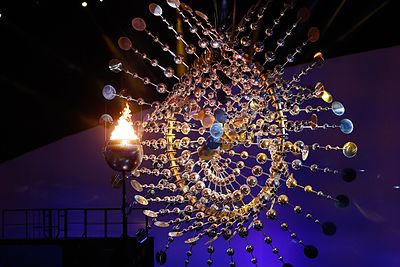

Echoes of Antiquity
The modern Olimpiada draws its spirit and structure from the ancient Olympic Games, which originated in Olympia, Greece, around the 8th century BCE. These ancient festivals were not merely athletic contests but deeply religious events, held in honor of Zeus. The panhellenic nature of the games meant that athletes from all Greek city-states, and even colonies, could participate, fostering a sense of shared Hellenic identity.
A sacred truce, the Ekecheiria, was proclaimed before and during the games, ensuring safe passage for athletes and spectators, highlighting the profound importance placed on this event. The ancient Olympics featured a narrower range of sports, including running (stadion, diaulos, dolichos), wrestling, boxing, pankration, pentathlon, and equestrian events. The cessation of the ancient games in 393 CE marked the end of an era, but the ideals of athletic excellence and peaceful competition would lie dormant for over 1500 years before being reawakened.
The Rebirth and Enduring Ideals of the Modern Olimpiada
The revival of the Olimpiada in 1896, spearheaded by Baron Pierre de Coubertin, was a deliberate effort to promote international understanding and peace through sport. Coubertin envisioned the Games as a global forum where young people could compete in a spirit of fair play, mutual respect, and camaraderie, transcending nationalistic rivalries. The core ideals of 'Citius, Altius, Fortius' (Faster, Higher, Stronger) encapsulate the pursuit of excellence, while the emphasis on friendship and respect underscores the Games' role in fostering global harmony.
The Olimpiada has evolved significantly since its inception, expanding its program to include a vast array of sports and welcoming athletes from virtually every nation. Despite political tensions and controversies that have sometimes marred the Games, their fundamental mission of uniting the world through sport remains a powerful and aspirational force.
The Athlete's Crucible
The journey of an Olimpiada athlete is a testament to human resilience, discipline, and unwavering commitment. Elite athletes dedicate years, often decades, to perfecting their craft, beginning their intensive training in childhood or adolescence. This involves a rigorous regimen of physical conditioning, technical skill development, and psychological preparation to withstand the immense pressure of elite competition.
The sacrifices are profound: foregoing typical social lives, adhering to strict diets, managing injuries, and often relying on personal finances or limited sponsorships. The path to qualification is fiercely competitive, with athletes striving to earn a spot on their national teams, a feat in itself. For those who reach the Games, it represents the culmination of a lifetime's ambition, a chance to represent their nation, and to etch their names into sporting history, embodying the spirit of human potential.
Olimpiada as a Global Cultural and Economic Phenomenon
Beyond athletic competition, the Olimpiada functions as a significant global cultural and economic event. The Games serve as a powerful platform for cultural exchange, showcasing the traditions, arts, and hospitality of the host nation to a worldwide audience. They foster a sense of national pride and unity among citizens, while also promoting international dialogue and understanding.
Economically, hosting the Olimpiada brings substantial investment in infrastructure, tourism, and job creation, though it also presents considerable financial challenges and logistical complexities. The broadcast rights and corporate sponsorships generate billions of dollars, making the Games a major commercial enterprise. Furthermore, the Olimpiada's influence extends to social issues, often raising awareness about human rights, environmental sustainability, and inclusivity, demonstrating its multifaceted impact on the global stage.
See also
Frequently Asked Questions
What is the Olimpiada?+
Why did the ancient Olympics stop and when did they start again?+
How do athletes get ready for the Olimpiada?+
What does the motto "Citius, Altius, Fortius" mean?+
How does the Olimpiada bring people together around the world?+
Based on content from Wikipedia · Licensed under CC BY-SA 4.0