

North Khorasan Province
Images

Mohsen Haji-Mirzaei in his trip to North Khorasan Province 2020-06-17 01



Geomorphology and Climatic Extremes of North Khorasan
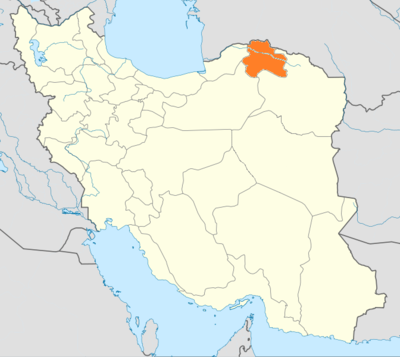
North Khorasan Province, situated in Iran's northeastern quadrant, presents a compelling study in geographical diversity and climatic variability. The province is characterized by a rugged topography dominated by the Aladagh mountain range, which forms a natural barrier and influences regional weather patterns. These highlands give way to fertile plains and valleys, carved by a network of rivers that are crucial for agriculture and sustaining life in this semi-arid region.
The climate is markedly continental, exhibiting extreme temperature fluctuations. Summers are intensely hot and dry, with temperatures often soaring, while winters are severe and cold, frequently bringing heavy snowfall that can disrupt transportation and daily life. This climatic duality necessitates robust adaptation strategies for both the natural ecosystem and human activities.
The province's location also makes it a buffer zone, influencing its historical development and cultural exchanges.
Historical Layers
The historical narrative of North Khorasan is deeply interwoven with the broader history of Persia. For millennia, this region served as a strategic corridor, witnessing the passage of armies, traders, and migrating peoples. It was historically part of the vast Khorasan region, a powerful province in ancient Persian empires, renowned for its strategic importance and rich cultural heritage.
Over centuries, it experienced periods of rule under various dynasties, including the Achaemenids, Parthians, Sasanians, and later, Islamic caliphates and Turkic dynasties. The Safavid era saw the consolidation of Persian influence, followed by periods of conflict and territorial shifts. The modern administrative boundaries of North Khorasan were largely established in the 20th century, shaping its current identity as a distinct province within Iran, while still retaining echoes of its imperial past and its position as a frontier territory.
Cultural Dynamics
North Khorasan is a vibrant mosaic of cultures, primarily shaped by the interaction of Persian and Kurdish populations, alongside other smaller ethnic groups. Persian serves as the lingua franca and the language of administration, but Kurmanji Kurdish is spoken by a significant portion of the population, contributing to the region's linguistic richness. The cultural traditions are deeply rooted, expressed through distinctive music, dance forms like the 'Chub-bazi' (stick dance), and elaborate local festivals. Hospitality is a paramount virtue, with social interactions often centered around shared meals and tea ceremonies.
Traditional clothing, particularly for women, often features intricate embroidery and vibrant colors, reflecting regional aesthetics. The strong sense of community and family ties forms the bedrock of the social fabric, influencing daily life and intergenerational knowledge transfer.
Economic Pillars
The economy of North Khorasan is predominantly agrarian, leveraging the province's arable land and water resources. Staple crops such as wheat, barley, and corn are cultivated extensively, alongside significant fruit orchards. Livestock farming, particularly sheep and goat husbandry, is a vital component, supplying meat, dairy products, and wool. The province is also recognized for its artisanal production, most notably the world-renowned hand-woven carpets, which are prized for their intricate designs and quality craftsmanship.
While industrial development is less pronounced compared to other Iranian provinces, there are efforts to boost small-scale manufacturing and processing industries related to agriculture. Tourism, capitalizing on the province's natural beauty and historical sites, represents a potential growth sector, aiming to diversify the economic base and create employment opportunities.
Governance and Educational Landscape
North Khorasan Province operates under Iran's centralized governmental structure, with a Governor appointed by the central government serving as the chief executive. The provincial administration oversees various sectors, including economic development, social services, and infrastructure projects, in line with national policies. Local governance is managed through a system of city councils and rural district councils, which play a role in local planning and resource allocation.
Educationally, the province is committed to providing access to learning at all levels. It hosts a network of primary, secondary, and vocational schools, alongside higher education institutions, most notably the University of North Khorasan, which is based in the capital, Bojnord. The university plays a crucial role in research, innovation, and training future professionals, contributing to the region's human capital development and addressing local challenges through academic endeavors.
See also
Frequently Asked Questions
What is North Khorasan Province?+
Why does North Khorasan have hot summers and cold winters?+
Where do the rivers in North Khorasan come from?+
How do people in North Khorasan celebrate?+
What do people grow and raise in North Khorasan?+
Based on content from Wikipedia · Licensed under CC BY-SA 4.0