

Nocturnality: The Nighttime World!
Images
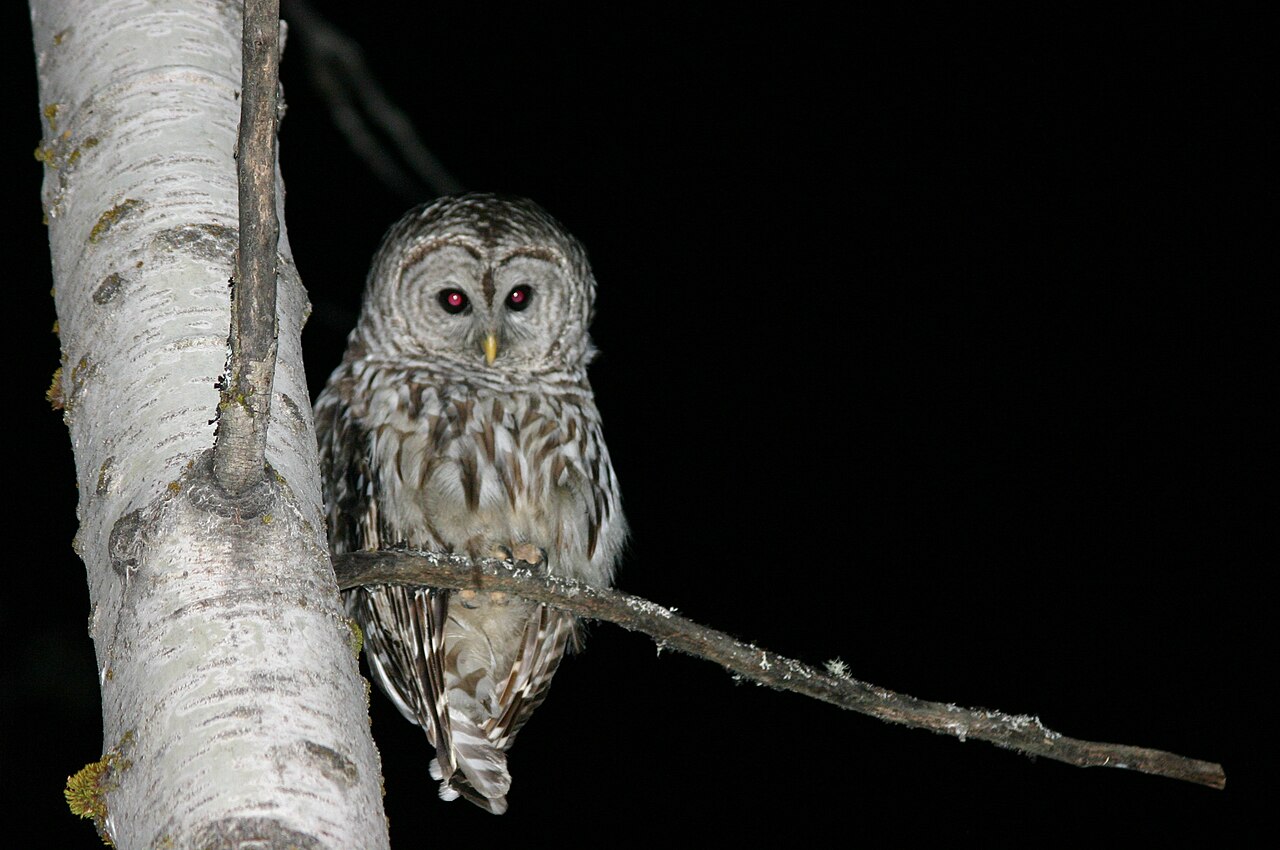
Nocturnality


The Evolutionary Imperative of Nocturnality
Nocturnality, the behavioral pattern of being active during the night and resting during the day, represents a significant evolutionary strategy employed by a vast array of animal species. This adaptation offers several key advantages, primarily centered around resource utilization and predator avoidance. By operating under the cover of darkness, nocturnal animals can often access food sources that are unavailable or heavily contested by diurnal species.
Furthermore, it provides a crucial refuge from diurnal predators, allowing them to forage, mate, and raise young with reduced risk. The intense solar radiation during daylight hours can also be a significant environmental challenge, making nocturnal activity a thermoregulatory advantage in hot climates. The evolution of nocturnality is a testament to the diverse ways life adapts to environmental pressures, shaping unique ecological niches and interspecies dynamics.
For example, some wasps, like Apoica flavissima, exhibit nocturnality to avoid the intense sunlight and potential predation during daytime foraging.
Sensory Sophistication
The success of nocturnal animals hinges on their highly specialized sensory systems, which are finely tuned to function in low-light conditions. Auditory acuity is paramount; many nocturnal species possess exceptional hearing, capable of detecting subtle vibrations or sounds from considerable distances, enabling them to locate prey or avoid danger. Olfactory senses are also often highly developed, allowing for the detection of scent trails or the presence of food and mates in the dark.
However, the most visually striking adaptations are often found in their eyes. Nocturnal animals frequently have larger eyes relative to their body size compared to diurnal counterparts. This enlargement, particularly of the cornea, maximizes light-gathering capabilities.
Structures like the tapetum lucidum, a reflective layer behind the retina, further enhance vision by bouncing light back through the photoreceptor cells, effectively giving the eye a second chance to absorb photons. This allows for remarkable visual sensitivity, enabling creatures like tarsiers and many owl species to navigate and hunt effectively in near-total darkness.
Diversity in Nocturnal Lifestyles and Adaptations
The spectrum of nocturnality is broad, encompassing a wide range of animal groups and exhibiting diverse adaptations. Among mammals, bats are perhaps the most iconic nocturnal group, utilizing sophisticated echolocation to navigate and hunt insects in complete darkness. Primates like tarsiers and bushbabies showcase extreme adaptations for night vision, with their enormous eyes being a defining characteristic.
Many rodents, such as mice and rats, are primarily nocturnal, foraging for seeds and insects under the cover of night. In the avian world, owls are the quintessential nocturnal predators, renowned for their silent flight and acute senses. Even some reptiles and amphibians exhibit nocturnal behavior, taking advantage of cooler temperatures and reduced competition.
The ability of some animals, like ferrets, to function in both low-light and bright conditions, a state known as metaturnal activity, highlights the nuanced spectrum of light sensitivity within the animal kingdom.
Ecological Niches and Behavioral Spectrum
Understanding nocturnality is crucial for comprehending the intricate web of life within ecosystems. It defines distinct ecological niches, influencing predator-prey dynamics, competition, and resource partitioning. While nocturnality is a primary strategy, it exists alongside other activity patterns.
Diurnal animals, including humans (with exceptions like 'night owls'), are active during the day. Crepuscular species, such as rabbits, skunks, domestic cats, and tigers, exhibit peak activity during the twilight hours of dawn and dusk. This pattern is often mistaken for nocturnality but is distinct.
Furthermore, cathemeral animals, like lions and fossas, display a more flexible activity schedule, being active intermittently throughout both day and night, often influenced by environmental factors such as temperature or prey availability. Recognizing these varied temporal niches is essential for a holistic view of animal behavior and ecological interactions.
Go deeper
Based on content from Wikipedia · Licensed under CC BY-SA 4.0