

Nissan
Images

Northern Constabulary - Nissan Pathfinder 4x4 at Police HQ Inverness Scotland


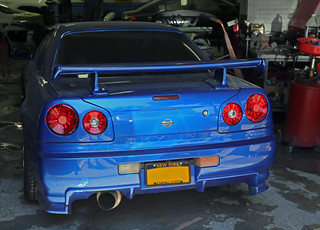

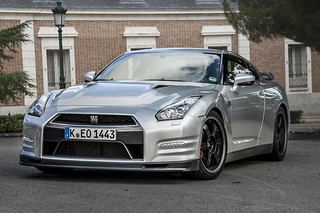


The Genesis of a Japanese Automotive Giant
Nissan's origins trace back to the early 20th century, emerging from the Nissan zaibatsu, a Japanese industrial conglomerate. This foundation laid the groundwork for what would become a major force in the global automotive industry. The company's evolution from its early days, initially known as Jidosha-Seizo, to its current multinational status is a story of persistent growth and adaptation.
Over the decades, Nissan has navigated complex economic landscapes and technological shifts, consistently striving to innovate and expand its reach. This historical depth provides context for its current position and strategic decisions, highlighting a legacy built on manufacturing prowess and a forward-looking vision that has seen it become a globally recognized name in vehicle production.
A Spectrum of Mobility
Nissan's brand strategy is multifaceted, catering to a broad spectrum of consumer needs and preferences. The core Nissan brand serves as the workhorse, offering a comprehensive range of vehicles from fuel-efficient compacts to robust trucks and SUVs, emphasizing reliability and accessibility. Complementing this is the luxury marque, Infiniti, which targets a more affluent demographic with premium materials, advanced technology, and refined performance.
The historical Datsun brand, though no longer active, remains a significant part of Nissan's heritage. Furthermore, the company leverages specialized performance divisions, Nismo and Autech, to cater to enthusiasts seeking enhanced driving dynamics and bespoke customization options. This strategic brand segmentation allows Nissan to capture market share across various segments, from mass-market appeal to niche performance markets.
The Strategic Imperative of the Renault-Nissan-Mitsubishi Alliance
Since 1999, Nissan has been an integral component of the Renault-Nissan-Mitsubishi Alliance, a complex and influential partnership that reshaped the global automotive landscape. The alliance, which saw Mitsubishi Motors join in 2016, represents a strategic pooling of resources, technology, and manufacturing capabilities between French automaker Renault and Japanese giants Nissan and Mitsubishi. This collaboration enables member companies to achieve economies of scale, share research and development costs for new technologies like electric vehicles and autonomous driving, and optimize supply chains.
The intricate shareholding structure, with Renault holding a significant stake in Nissan and vice versa, underscores the deep integration and mutual reliance within the alliance, aiming to bolster competitiveness against larger global rivals.
Navigating Market Dynamics and Future Prospects
Nissan's position in the global automotive hierarchy is substantial, evidenced by its ranking as the sixth largest automaker worldwide in 2017. Despite its historical strength and significant revenue generation, the company has faced periods of financial challenge, as indicated by recent reports of financial hardships and recovery plans. The potential merger talks with Honda in 2024, though ultimately abandoned, highlighted Nissan's strategic considerations for future growth and market positioning, particularly its desire to maintain an equal partnership rather than becoming a subsidiary.
The candid statement from a Nissan executive in late 2024 about the company's precarious future underscores the high stakes involved in its current recovery efforts and its determination to adapt to the rapidly evolving automotive industry.
Go deeper
Frequently Asked Questions
What is Nissan and where did it start?+
What kinds of cars does Nissan make?+
How does Nissan work with other car companies?+
Why is Nissan sometimes called the sixth biggest car company?+
What challenges is Nissan facing right now?+
Based on content from Wikipedia · Licensed under CC BY-SA 4.0