

Niacin: Your Body's Super Helper!
Images
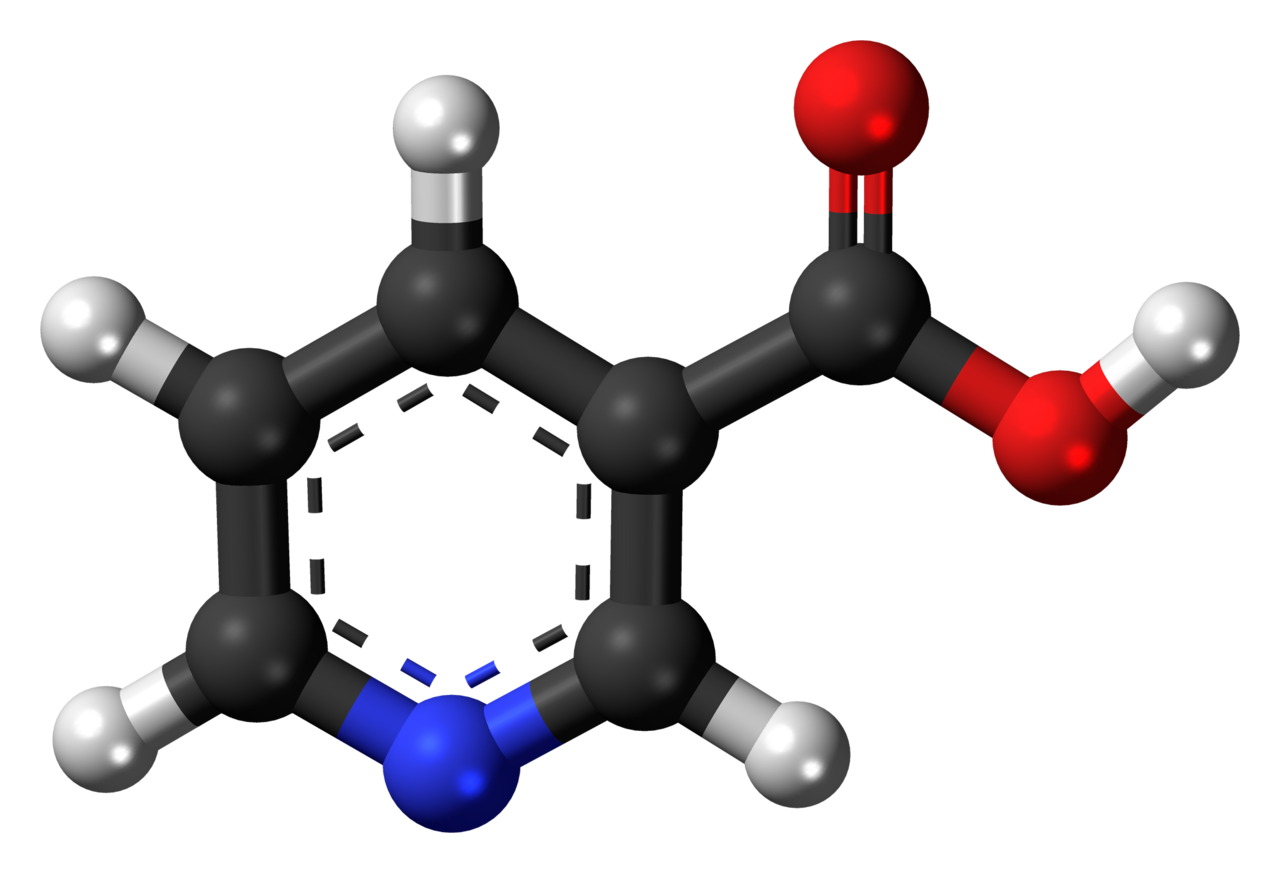
File:Niacin-3D-balls.png


The Biochemical Underpinnings of Niacin's Energy Role
Niacin, encompassing nicotinic acid and nicotinamide, is indispensable for cellular energy production, primarily through its role as a precursor to the coenzymes NAD+ (nicotinamide adenine dinucleotide) and NADP+ (nicotinamide adenine dinucleotide phosphate). These coenzymes are central to redox reactions, acting as electron carriers in both catabolic and anabolic pathways. NAD+ is critical for ATP generation via glycolysis, the Krebs cycle, and oxidative phosphorylation, essentially facilitating the conversion of macronutrients into cellular energy.
NADP+, on the other hand, is vital for reductive biosynthesis, including fatty acid and steroid synthesis, and plays a key role in antioxidant defense mechanisms, particularly in the pentose phosphate pathway. The body's ability to synthesize ATP efficiently is directly linked to adequate niacin availability, highlighting its fundamental importance for all physiological functions. Without sufficient niacin, cellular respiration is compromised, leading to a cascade of metabolic dysfunctions.
Niacin's Protective Functions
Beyond its metabolic functions, niacin is a critical component in maintaining genomic stability. NAD+ serves as a substrate for enzymes like poly(ADP-ribose) polymerases (PARPs), which are crucial for DNA repair pathways. When DNA damage occurs, PARPs are activated, initiating a signaling cascade that recruits repair proteins.
This process is essential for preventing mutations and maintaining the integrity of the genetic code. Furthermore, niacin has been investigated for its potential therapeutic applications, particularly in managing dyslipidemia. High-dose nicotinic acid can effectively lower LDL ('bad') cholesterol and triglycerides while raising HDL ('good') cholesterol, although its use is often limited by side effects like flushing.
The historical context of pellagra, a disease caused by severe niacin deficiency, underscores its profound impact on public health. The identification of niacin as the cure for pellagra in the early 20th century was a landmark achievement, leading to widespread food fortification and a dramatic reduction in the disease's prevalence.
Dietary Sources and Bioavailability of Niacin
Niacin is widely distributed in the food supply, with rich sources including animal products like poultry, fish, and lean meats, as well as plant-based foods such as whole grains, legumes, nuts, and seeds. The bioavailability of niacin varies depending on the food source. In animal products, niacin is primarily present as nicotinamide, which is readily absorbed.
In plant-based foods, niacin often exists as nicotinic acid or is bound to complex carbohydrates, forming niacinogens, which are less bioavailable. However, cooking methods, particularly those involving alkaline conditions (like nixtamalization of corn), can significantly improve the bioavailability of niacin from plant sources. Fortification of staple foods, such as flour and cereals, has been a highly effective public health strategy globally, ensuring adequate intake and preventing deficiency diseases like pellagra in diverse populations.
Niacin's Place in the B Vitamin Complex and Clinical Relevance
Niacin is one of eight water-soluble B vitamins, a group of nutrients that play interconnected roles in numerous metabolic processes. While each B vitamin has distinct functions, they often work in concert. For instance, niacin's role in energy metabolism is supported by other B vitamins like thiamine (B1), riboflavin (B2), pantothenic acid (B5), and pyridoxine (B6), which are also involved in carbohydrate, fat, and protein breakdown.
Understanding these interdependencies is crucial for comprehensive nutritional assessment and intervention. Clinically, niacin deficiency remains a concern in populations with limited access to diverse diets or in individuals with specific malabsorptive conditions. Conversely, therapeutic use of high-dose niacin requires careful medical supervision due to potential adverse effects, emphasizing the importance of a nuanced approach to this essential nutrient.
See also
Based on content from Wikipedia · Licensed under CC BY-SA 4.0