

New Zealand Order of Merit
Images
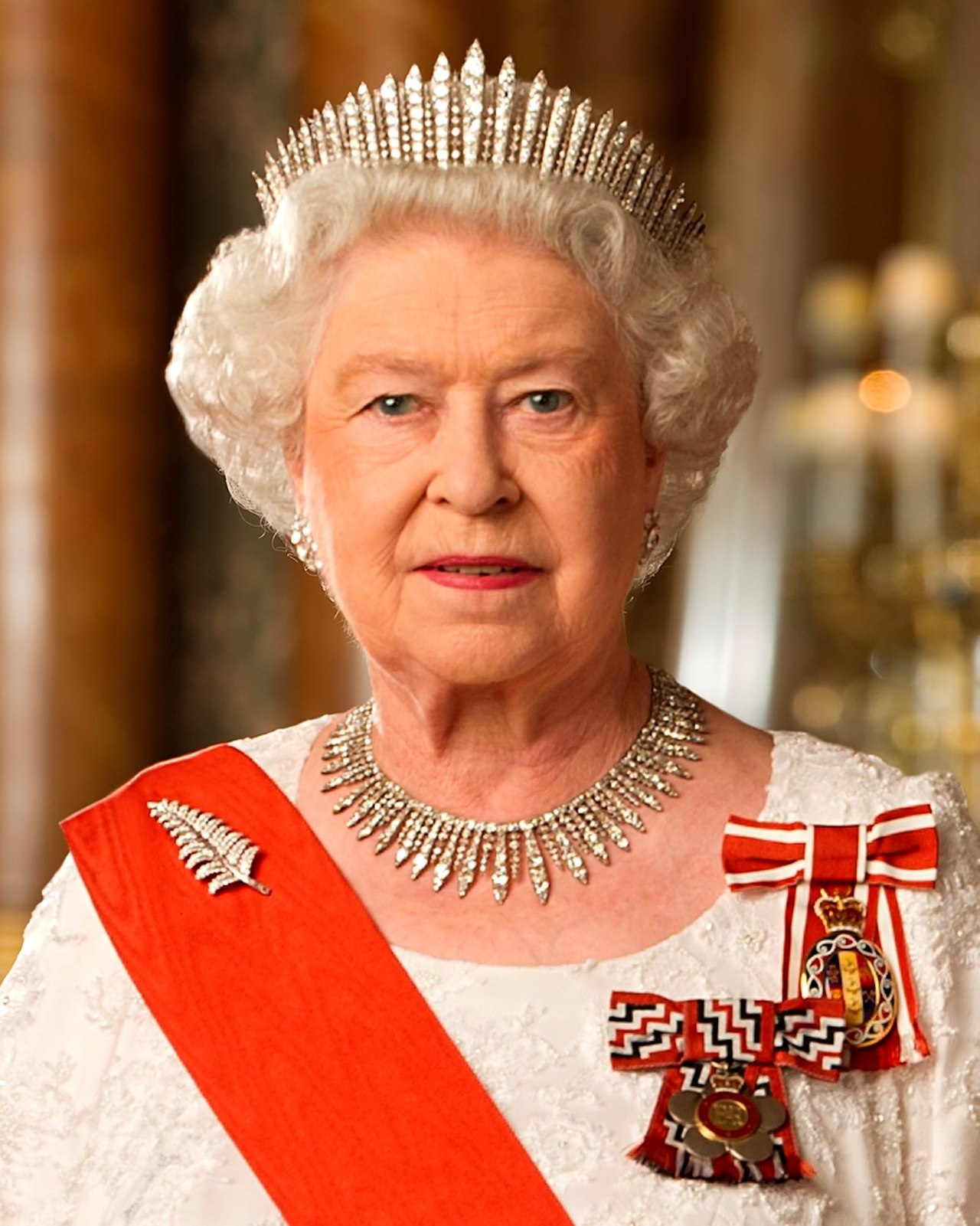
Queen Elizabeth II of New Zealand 2


Genesis and Rationale of the Order
The New Zealand Order of Merit (Te Kāhui Tohu Hiranga) was instituted by Royal Warrant on May 30, 1996, by Queen Elizabeth II in her capacity as Queen of New Zealand. This marked a significant evolution in the New Zealand royal honours system, moving towards a framework that more distinctly recognized national contributions. The core purpose was to provide a robust mechanism for acknowledging individuals who had rendered meritorious service to the Crown and the nation, or who had achieved distinction through their eminence, talents, or other significant merits.
This was intended to encompass both civil and military capacities, ensuring a broad spectrum of service could be honored. The establishment of this order reflected a growing desire for New Zealand to have its own distinct honours, tailored to its specific context and achievements, while still maintaining a connection to the broader Commonwealth honours tradition.
Structural Significance and National Identity
Within the New Zealand honours system, the Order of Merit occupies a prominent position, ranking immediately after the Order of New Zealand. This hierarchical placement underscores its importance as a high-level award for national service and achievement. The Order of New Zealand is reserved for a very small number of citizens who have rendered exceptional service to New Zealand.
By placing the Order of Merit directly below it, the system clearly signals that recipients of the Order of Merit are recognized for contributions of substantial national value. This structure helps to articulate national priorities and celebrate those who embody the country's ideals and aspirations, contributing to a cohesive sense of national identity and shared values.
Scope of Recognition and Criteria for Award
The mandate for the New Zealand Order of Merit is deliberately broad, designed to capture a wide array of meritorious service and distinguished achievement across all fields of endeavor. This inclusivity is a key feature, allowing for the recognition of individuals whose contributions might not fit neatly into more specialized award categories. Whether in scientific research, artistic creation, public service, community leadership, or military operations, the criteria focus on the quality and impact of the service rendered.
The award acknowledges individuals who have demonstrated outstanding talent, made significant contributions that benefit New Zealand and its people, or achieved a level of eminence that warrants national recognition. This ensures that the honours system remains relevant and reflective of the diverse ways in which individuals contribute to the nation's progress and well-being.
The Order as a Tool of State
The institution of the New Zealand Order of Merit can be viewed as a strategic element of statecraft, serving to legitimize and reward contributions that align with national interests and values. By formally recognizing individuals for their service and achievements, the government signals what qualities and actions are deemed most valuable to the nation. This not only provides personal recognition to recipients but also serves as a public endorsement, encouraging others to emulate such dedication and excellence.
The award acts as a tangible representation of the state's appreciation, fostering civic engagement and reinforcing the social contract between citizens and the Crown. Its existence provides a clear and respected pathway for acknowledging those who have demonstrably advanced the interests of New Zealand.
Evolution and Modern Relevance
Since its inception in 1996, the New Zealand Order of Merit has become a cornerstone of the nation's honours system. Its continued award signifies the ongoing commitment to recognizing excellence and service within New Zealand. The order's adaptability to various fields of endeavor ensures its relevance in a dynamic society.
As New Zealand continues to evolve, the Order of Merit provides a consistent and prestigious means of acknowledging the individuals who shape its future and uphold its values. It stands as a testament to the nation's capacity to identify and celebrate its most accomplished citizens, reinforcing a culture of merit and contribution.
See also
Frequently Asked Questions
What is the New Zealand Order of Merit?+
When was the New Zealand Order of Merit created?+
Who can receive the New Zealand Order of Merit?+
How does the New Zealand Order of Merit rank compared to other awards?+
Why does New Zealand have its own Order of Merit?+
Based on content from Wikipedia · Licensed under CC BY-SA 4.0