

Nematodes: The Tiny Worms All Around Us!
Images
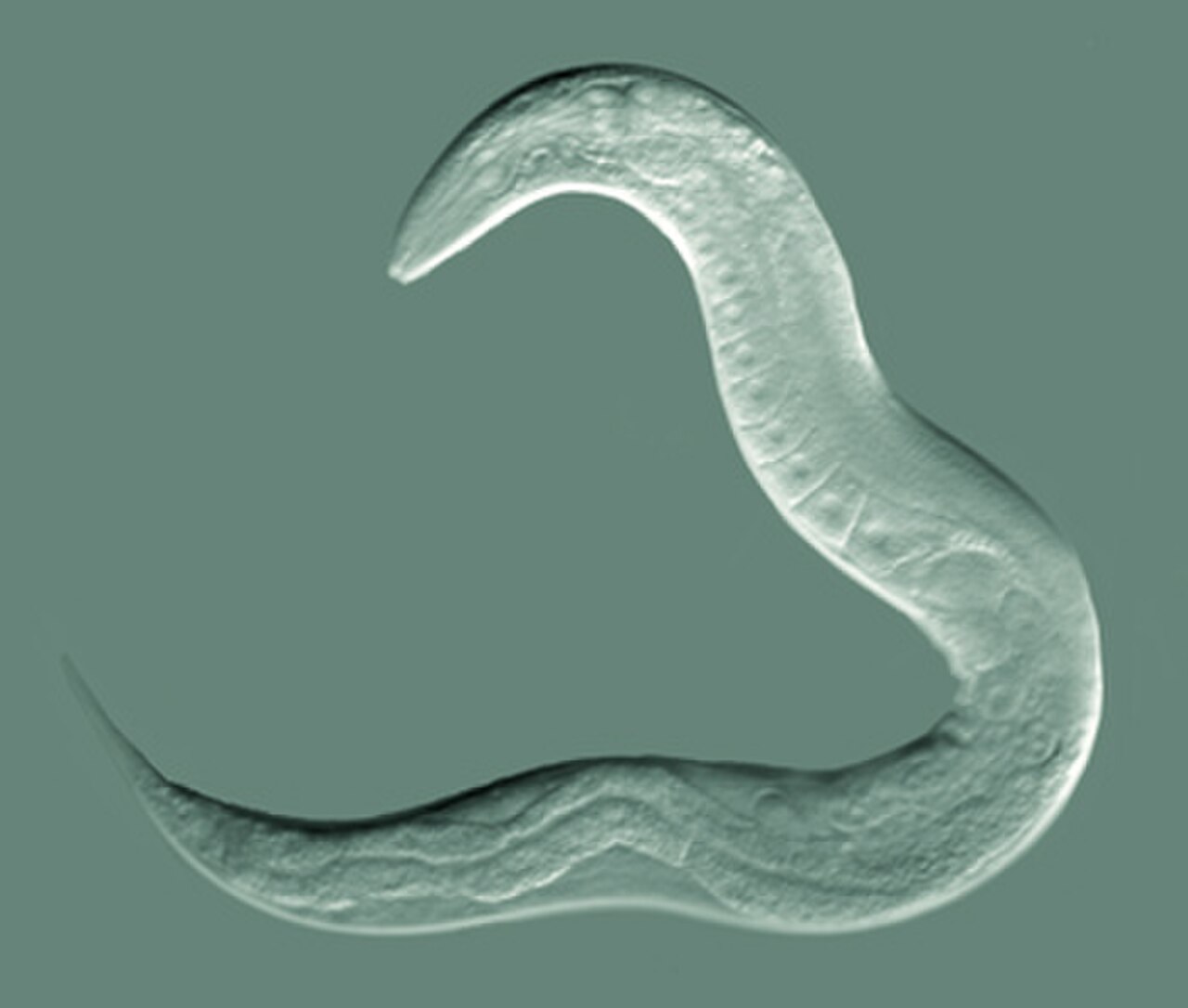
Nematode


The Pervasive Presence of Nematoda
The phylum Nematoda, commonly known as roundworms, represents one of the most abundant and ecologically significant groups of multicellular organisms on Earth. Their scientific classification as Nematoda places them in a distinct evolutionary lineage characterized by a cylindrical, unsegmented body and a complete digestive system. Their ubiquity is staggering; they inhabit virtually every conceivable environment, from the deepest oceanic trenches and arid deserts to the icy polar caps and the upper atmosphere. Soil ecosystems, in particular, teem with nematodes, with densities reaching millions per square meter, making them a dominant faunal component.
This pervasive presence underscores their critical role in global biogeochemical cycles. The sheer biomass of nematodes is estimated to exceed that of all humans, highlighting their profound impact on planetary processes. Their evolutionary success is a testament to their remarkable adaptability and diverse life strategies, allowing them to colonize niches inaccessible to many other animal groups.
A Spectrum of Habitats and Lifestyles
The habitat range of nematodes is exceptionally broad, reflecting their evolutionary plasticity. Free-living nematodes are abundant in terrestrial soils, where they contribute significantly to decomposition and nutrient turnover by consuming bacteria, fungi, and other microorganisms. In aquatic environments, both freshwater and marine nematodes form a substantial portion of the meiofauna, playing vital roles in sediment reworking and serving as a food source for larger invertebrates and fish.
Their ability to survive in extreme conditions is remarkable; nematodes have been found in environments with high radiation, extreme temperatures, and pressures, and some can enter a state of cryptobiosis to endure desiccation or freezing. Furthermore, a vast number of nematode species are parasitic, exhibiting complex life cycles that involve one or more hosts. These range from plant-parasitic nematodes that cause billions of dollars in agricultural losses annually to animal-parasitic nematodes that infect a wide array of hosts, including insects, fish, birds, and mammals, impacting both wildlife and human health.
Dietary Adaptations and Ecological Roles
The feeding habits of nematodes are incredibly diverse, reflecting their varied ecological roles. Bacterivores and fungivores are crucial for breaking down organic matter and releasing essential nutrients like nitrogen and phosphorus back into the ecosystem, a process vital for plant growth and primary productivity. Predatory nematodes actively hunt other small soil invertebrates, influencing the population dynamics of these organisms.
Plant-parasitic nematodes possess specialized stylets, needle-like mouthparts used to pierce plant cells and extract nutrients, often leading to stunted growth, wilting, and increased susceptibility to disease in host plants. Animal-parasitic nematodes have evolved sophisticated mechanisms to infect, survive within, and reproduce in their hosts, sometimes causing severe pathologies. Conversely, certain nematode species are utilized in biological control programs to manage insect pests, demonstrating their potential for beneficial applications in agriculture and pest management.
This dietary breadth positions nematodes as key players in energy transfer and nutrient cycling across numerous food webs.
Ecological Significance and Scientific Relevance
The ecological importance of nematodes cannot be overstated. As primary consumers and decomposers, they are fundamental to soil health and fertility, influencing soil structure, aeration, and water retention. Their role in nutrient cycling is indispensable for sustaining terrestrial and aquatic ecosystems.
Furthermore, nematodes serve as a critical food source for a wide range of organisms, forming a foundational level in many food webs. Their sensitivity to environmental changes makes them valuable bioindicators for assessing soil quality and detecting pollution. In scientific research, nematodes are model organisms, particularly Caenorhabditis elegans, due to their simple anatomy, short life cycle, and well-understood genetics, providing profound insights into developmental biology, genetics, and neuroscience.
Understanding nematode biology is therefore crucial for fields ranging from ecology and agriculture to medicine and fundamental biological research, revealing their profound and often unseen influence on our planet.
See also
Frequently Asked Questions
What are nematodes and where can they be found?+
Why are nematodes important for the environment?+
How do nematodes survive in extreme places like deep oceans or deserts?+
Do nematodes ever harm plants or animals?+
Can nematodes help farmers or protect crops?+
Based on content from Wikipedia · Licensed under CC BY-SA 4.0