

Natarajan Chandrasekaran
Images
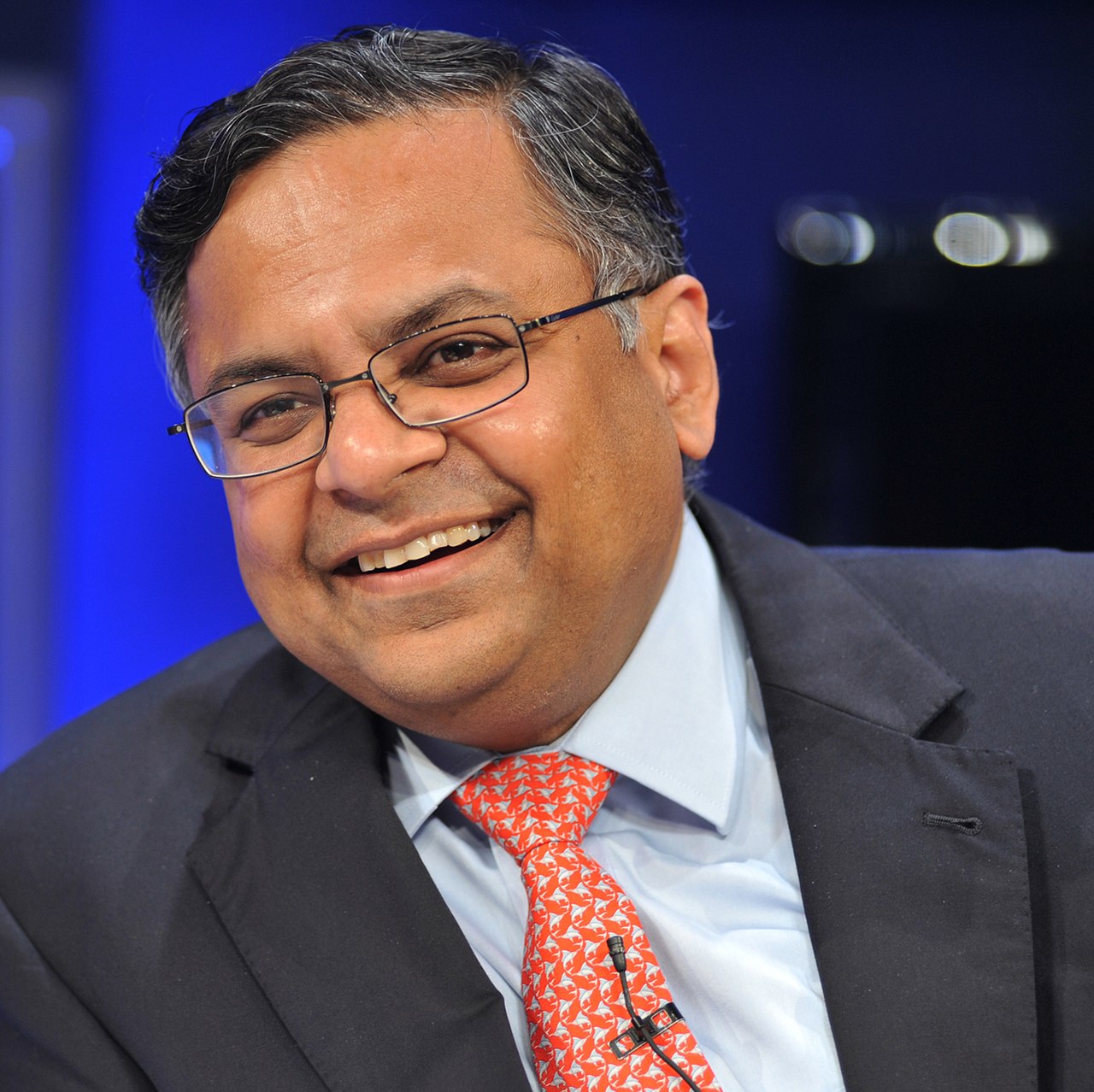
Natarajan Chandrasekaran - India Economic Summit 2011


Ascension Through the Ranks
Natarajan Chandrasekaran's trajectory within the corporate world is a compelling narrative of professional achievement. Born in 1963, his career at the Tata Group began not with inherited privilege, but with demonstrated competence and strategic vision. He joined Tata Consultancy Services (TCS) and, through a series of progressively responsible roles, rose to become its Chief Operating Officer and subsequently its Chief Executive Officer in 2009.
Under his leadership, TCS experienced significant global expansion and technological innovation, solidifying its position as a powerhouse in the IT services industry. This period was crucial in honing his skills in managing complex global operations, fostering innovation, and driving substantial revenue growth, all of which laid the groundwork for his ultimate leadership of the entire Tata conglomerate. His tenure at TCS was marked by a deep understanding of digital transformation and its implications for businesses worldwide.
Redefining Leadership
The appointment of Natarajan Chandrasekaran as the Chairman of Tata Sons in 2017 was a landmark event in Indian corporate history. He became the first individual from outside the Parsi community, which had traditionally led the group since its inception, to hold this prestigious position. This transition signified a profound evolution within the Tata Group, emphasizing meritocracy and professional management over traditional lineage.
His leadership extended to chairing other key Tata entities, including Tata Motors and Tata Global Beverages, showcasing his broad expertise across manufacturing, automotive, and consumer goods sectors. This multifaceted experience provided him with a holistic perspective on the diverse challenges and opportunities facing a conglomerate of Tata's scale and scope, enabling him to navigate complex strategic decisions with confidence and foresight.
Championing India's Economic Diplomacy on the Global Stage
Natarajan Chandrasekaran's influence extends significantly into the realm of international economic policy. During India's G20 presidency, he assumed the critical role of Chair of G20 India. This position placed him at the forefront of articulating and advancing India's business agenda on the global stage.
He was instrumental in facilitating discussions and forging consensus among leaders from the world's largest economies on critical issues such as sustainable development, digital transformation, and inclusive growth. His leadership in this capacity underscored India's growing prominence in global economic governance and his personal stature as a respected voice in international business and policy circles. This role required him to balance national interests with global cooperation, a testament to his diplomatic acumen and strategic thinking.
The Enduring Legacy of a Transformative Leader
The impact of Natarajan Chandrasekaran's leadership is multifaceted, influencing not only the financial performance of the companies he helms but also the broader economic landscape of India and its international relations. By driving innovation and strategic growth within the Tata Group, he contributes to job creation, technological advancement, and economic stability. His role in the G20 signifies a commitment to fostering global collaboration and addressing shared economic challenges.
His career serves as an exemplar of how professional expertise, strategic foresight, and a commitment to ethical leadership can drive transformative change. He is a key figure in understanding the evolution of Indian business and its increasing integration into the global economic order, demonstrating a profound ability to adapt and lead in an ever-changing world.
See also
Frequently Asked Questions
Who is Natarajan Chandrasekaran?+
Which company did he start working for?+
When did he become the CEO of TCS?+
What is special about his job as Chairman of Tata Sons?+
What did he do during India's G20 presidency?+
Based on content from Wikipedia · Licensed under CC BY-SA 4.0