

Musical Notation: The Secret Code of Music!
Images
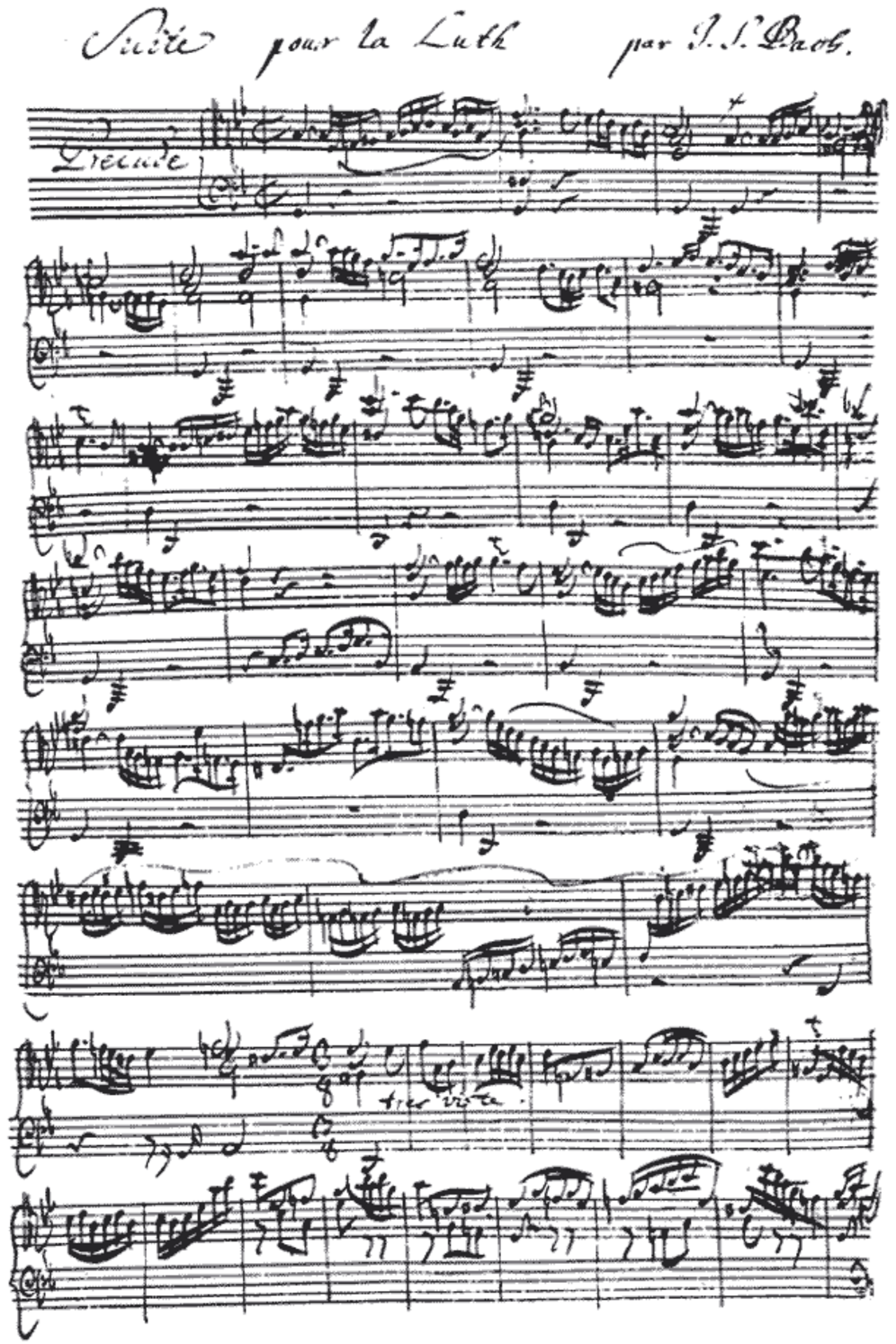
Musical notation
A Historical Trajectory
The genesis of musical notation can be traced back to ancient civilizations, with early forms appearing in Mesopotamia around the 1400 BCE, using cuneiform signs to denote intervals. Greek theorists developed systems using letters and symbols to indicate pitch, but these were often context-dependent and lacked precise rhythmic information. The medieval period witnessed significant advancements, particularly with the development of neumes, which initially served as mnemonic aids for Gregorian chant, indicating melodic contour rather than exact pitches.
The crucial innovation was the introduction of the musical staff, largely credited to Guido d'Arezzo in the 11th century. His system, using colored lines and later clefs, established a visual representation of absolute pitch. This standardization was revolutionary, enabling the accurate transmission of complex polyphonic music and laying the groundwork for Western classical music.
The subsequent invention of the printing press in the 15th century democratized access to scores, fostering wider musical literacy and accelerating compositional innovation.
The Grammatical Structure of Music
Modern musical notation is a highly codified system that meticulously describes sonic events. The five-line staff serves as the fundamental grid, with clefs (treble, bass, alto, tenor) defining the pitch range. Notes, represented by distinct shapes (whole, half, quarter, eighth, etc.), indicate duration, while their placement on the staff signifies pitch.
Rests, the inverse of notes, denote periods of silence, also with specific durations. Time signatures establish the rhythmic framework, dictating the number of beats per measure and the note value that receives one beat. Key signatures, placed at the beginning of a piece, indicate the prevailing tonality by specifying sharps or flats.
Dynamics, from pianissimo (very soft) to fortissimo (very loud), are indicated by Italian terms or abbreviations. Articulation marks (staccato, legato, accent) and tempo markings (allegro, andante) further refine the expressive qualities of the music. This intricate grammar allows for the precise communication of a composer's intent, enabling performers to recreate a piece with remarkable fidelity.
The Indispensable Role of Notation in Musical Culture and Education
Musical notation is not merely a technical tool; it is a foundational pillar of musical culture, education, and historical preservation. It empowers composers to conceive and execute works of immense complexity, facilitating the development of genres like opera, symphony, and chamber music. The ability to record and archive music ensures its continuity, allowing future generations to study and perform masterpieces from across history.
For musicians, notation is the primary language of learning and practice. It provides a structured curriculum for developing technical proficiency and theoretical understanding. The standardization of notation facilitates international collaboration and performance, enabling musicians from diverse backgrounds to engage with a shared musical repertoire.
Furthermore, notation has been instrumental in the development of music theory, providing a visual framework for analyzing harmonic progressions, melodic structures, and rhythmic patterns.
Contemporary Notational Practices and the Digital Frontier
While traditional staff notation remains dominant, contemporary music has seen expansions and modifications to accommodate new sounds and compositional techniques. Extended techniques, microtonality, and aleatoric (chance-based) music have led to the development of graphic notation, experimental symbols, and hybrid systems that blend traditional elements with visual representations. The digital revolution has profoundly impacted musical notation. Computer software for music notation (e.g., Sibelius, Finale, MuseScore) has transformed the creation, editing, and distribution of scores.
These programs offer features like automatic playback, intelligent engraving, and seamless sharing, streamlining the workflow for composers and arrangers. The integration of notation with digital audio workstations (DAWs) further blurs the lines between composition, performance, and production, opening new avenues for musical expression and accessibility in the 21st century.
Go deeper
Frequently Asked Questions
What is musical notation?+
Why was the musical staff invented?+
How do time signatures help musicians?+
Where did musical notation first appear?+
Why is the printing press important for music?+
Based on content from Wikipedia · Licensed under CC BY-SA 4.0