

Miniature Sheets: Tiny Treasures!
Images

النهر الصناعي العظيم 2000 dirhams Libya Miniature Sheet - Mashru` al-nahr al-sina`i al-`azim The Great Man-made River project, GMMRP


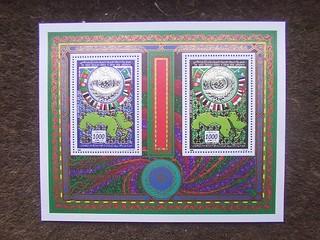


The Genesis and Evolution of the Miniature Sheet
The miniature sheet, or souvenir sheet, represents a distinct category within philately, characterized by a small group of stamps remaining affixed to their original printing sheet. While the concept of printing stamps in small blocks existed from early postal history, the deliberate issuance of miniature sheets as distinct collectible entities gained traction in the early 20th century. Luxembourg is widely credited with issuing the first generally recognized miniature sheet in 1923, a single 10-franc stamp commemorating Princess Elisabeth's birth.
However, this followed earlier, less defined issues from Luxembourg in 1906 and 1921, which featured regular issue stamps on small sheets without margin inscriptions. These early examples laid the groundwork for what would become a global phenomenon. By the mid-1920s, countries like the United States began issuing their own miniature sheets, often for special occasions.
The United Nations has also contributed to the genre since 1955. The evolution from simple blocks of available stamps to elaborately designed sheets with unique margin artwork reflects a growing appreciation for stamps as both functional postal items and miniature works of art, designed to capture and preserve moments of national and international significance.
Artistic Design and Philatelic Significance
Miniature sheets transcend their utilitarian purpose as postage by functioning as canvases for artistic expression and historical narrative. The stamps themselves may be standard issues, but they are often presented in unique arrangements, such as se-tenant blocks (stamps joined side-by-side), which might not appear in regular sheet printings. More significantly, the selvage-the unprinted border surrounding the stamps-becomes a crucial element of the design.
This area can feature intricate illustrations, detailed historical context, commemorative text, logos, or even a larger artistic composition of which the stamps are a part. This integrated design approach elevates the miniature sheet from a mere collection of stamps to a cohesive artistic and informational product. For collectors, the selvage provides additional context and aesthetic appeal, making the entire sheet a more valuable and engaging item.
The careful consideration of design elements in the margins contributes significantly to the philatelic and artistic merit of these issues, making them highly sought after by those who appreciate their detailed craftsmanship and thematic unity.
The Dual Role
A key characteristic of miniature sheets is their dual nature: they are both valid for postal use and highly prized as collector's items. Technically, the stamps affixed to a miniature sheet, and indeed the entire sheet itself, can be used to pay for postage. However, this practical application is rarely seen.
Miniature sheets are typically sold by postal authorities at a price that exceeds the face value of the stamps they contain. This premium reflects the added design work, specialized printing, and commemorative nature of the issue. Consequently, collectors overwhelmingly purchase these sheets with the intention of preserving them in mint condition, adding them to their albums as valuable additions to their collections.
While instances of miniature sheets being used on 'philatelic covers'-envelopes specifically prepared and mailed for collecting purposes-do exist, their primary role in modern philately is as preserved artifacts rather than functional postal instruments. This dynamic shapes their market value, with rarity and condition being paramount for older or particularly significant issues.
Economic and Historical Value
The economic value of miniature sheets varies dramatically, influenced by factors such as age, rarity, condition, and the significance of the event they commemorate. While some of the earliest miniature sheets, like the U.S. White Plains issue of 1926, can command prices in the hundreds of dollars in excellent condition, many modern issues are produced in considerable quantities.
This mass production often means that contemporary miniature sheets hold little special monetary value beyond their face value, serving more as affordable mementos of an event or theme. However, their historical and cultural significance remains. They act as tangible records of national pride, historical milestones, and artistic trends of their time.
For philatelists, the pursuit of rare and historically important miniature sheets is a journey through global history and art. The study of these items offers insights into the political, social, and cultural landscapes of the issuing countries, making them invaluable resources for understanding the past, even when their monetary worth is modest.
Miniature Sheets in Contemporary Philately and Beyond
In contemporary philately, miniature sheets continue to be popular, though their role has evolved. While they remain a staple for many stamp collectors, their production often caters to a broad audience, including those who may not be dedicated philatelists but are drawn to the thematic appeal of a particular issue. This can lead to higher print runs, impacting their long-term investment potential but ensuring wider accessibility.
Beyond traditional stamp collecting, miniature sheets can be seen as a form of accessible art and historical documentation. They offer a unique way for individuals to connect with specific events, figures, or cultural themes. The intricate designs and the stories embedded within them make them appealing to a diverse range of interests.
Furthermore, the practice of issuing miniature sheets has inspired similar collectible formats in other fields, highlighting the enduring appeal of small, detailed, and thematically rich items that serve as both decorative pieces and historical markers.
See also
Frequently Asked Questions
What is a miniature sheet?+
Why do miniature sheets have pictures on the borders?+
When did the first miniature sheet appear?+
How can you use a miniature sheet?+
Who makes miniature sheets?+
Based on content from Wikipedia · Licensed under CC BY-SA 4.0