

What's Going On Inside Our Brains?
Images

Some People With Severe Depression - People With Mental Illnesses Who Enrich Or Have Enriched Our Lives


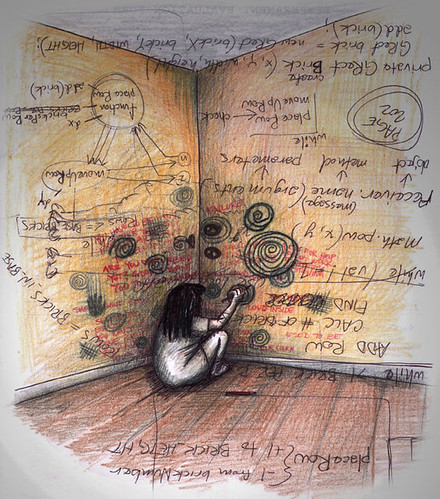


The Neurobiological and Psychological Landscape
Mental illnesses, or mental disorders as they are often termed in clinical settings, represent a broad category of health conditions characterized by significant disturbances in an individual's thinking, mood, or behavior. These are not simply personal failings or weaknesses, but complex conditions often rooted in a combination of genetic predispositions, brain chemistry imbalances, environmental factors, and life experiences. The intricate interplay of neurotransmitters, neural pathways, and brain structures can be disrupted, leading to a wide spectrum of symptoms.
For instance, conditions like schizophrenia involve profound alterations in thought processes and perception, while mood disorders such as bipolar disorder are marked by extreme shifts in energy and mood. Understanding these disorders requires appreciating the brain as a dynamic, interconnected system susceptible to various influences, much like a sophisticated ecosystem.
A Historical Trajectory
The historical treatment of mental illness is a stark reminder of how far our understanding and compassion have evolved. For centuries, individuals experiencing mental health challenges were often ostracized, institutionalized in often inhumane conditions (like early asylums), or subjected to treatments based on little scientific understanding, such as trepanation or exorcisms. The advent of psychiatry as a medical discipline, coupled with advancements in psychology and neuroscience, began to shift this paradigm.
The mid-20th century saw the development of psychotropic medications and the deinstitutionalization movement, aiming to provide community-based care. However, this transition was not without its own challenges, highlighting the ongoing need for robust support systems and continued research to refine treatment approaches and ensure equitable access to care.
The Imperative of Mental Health Literacy and Destigmatization
The significance of understanding mental illness extends far beyond the individual; it is a cornerstone of public health and social well-being. High rates of mental health conditions worldwide underscore the need for widespread mental health literacy – equipping individuals with the knowledge to recognize symptoms, seek help, and support others. The pervasive stigma associated with mental illness remains a formidable barrier, preventing many from accessing timely and effective treatment.
This stigma, often fueled by misinformation and fear, can lead to social isolation, discrimination, and a reluctance to disclose one's struggles. Efforts to destigmatize mental health are therefore crucial, fostering environments where open conversations are encouraged, and seeking support is viewed as a proactive step towards recovery and resilience.
Mechanisms of Action
The precise mechanisms underlying mental disorders are diverse and continue to be a major focus of scientific inquiry. For mood disorders like major depressive disorder, research points to dysregulation in systems involving serotonin, norepinephrine, and dopamine, affecting mood, motivation, and pleasure. Anxiety disorders are often linked to overactivity in the amygdala, the brain's fear center, and disruptions in the GABAergic system. Psychotic disorders, such as schizophrenia, are thought to involve complex alterations in dopamine and glutamate neurotransmission, impacting perception and cognition.
Furthermore, the role of the hypothalamic-pituitary-adrenal (HPA) axis in stress response is critical, with chronic stress implicated in the onset or exacerbation of many mental health conditions. Understanding these biological underpinnings is essential for developing targeted pharmacological and therapeutic interventions.
A Glimpse into the Spectrum of Disorders
The diagnostic and statistical manual of mental disorders (DSM) categorizes a vast array of conditions. Examples include depressive disorders, characterized by persistent sadness and anhedonia; bipolar and related disorders, involving extreme mood swings between mania and depression; anxiety disorders, such as generalized anxiety disorder and panic disorder, marked by excessive worry and fear; obsessive-compulsive and related disorders, involving intrusive thoughts and compulsive behaviors; trauma- and stressor-related disorders, like post-traumatic stress disorder (PTSD); and psychotic disorders, including schizophrenia, which affects thought, perception, and behavior.
Each category encompasses specific criteria, reflecting the complex and varied ways mental health can be impacted, necessitating individualized approaches to diagnosis and treatment.
See also
Frequently Asked Questions
What is a mental illness?+
Why do people with mental illness sometimes feel confused or upset?+
How did people treat mental illness in the past?+
Why is it important to talk about mental health?+
What parts of the brain are involved in anxiety?+
Based on content from Wikipedia · Licensed under CC BY-SA 4.0