

Mechanization: Machines That Help Us!
Images
Mechanization
Foundations of Mechanization
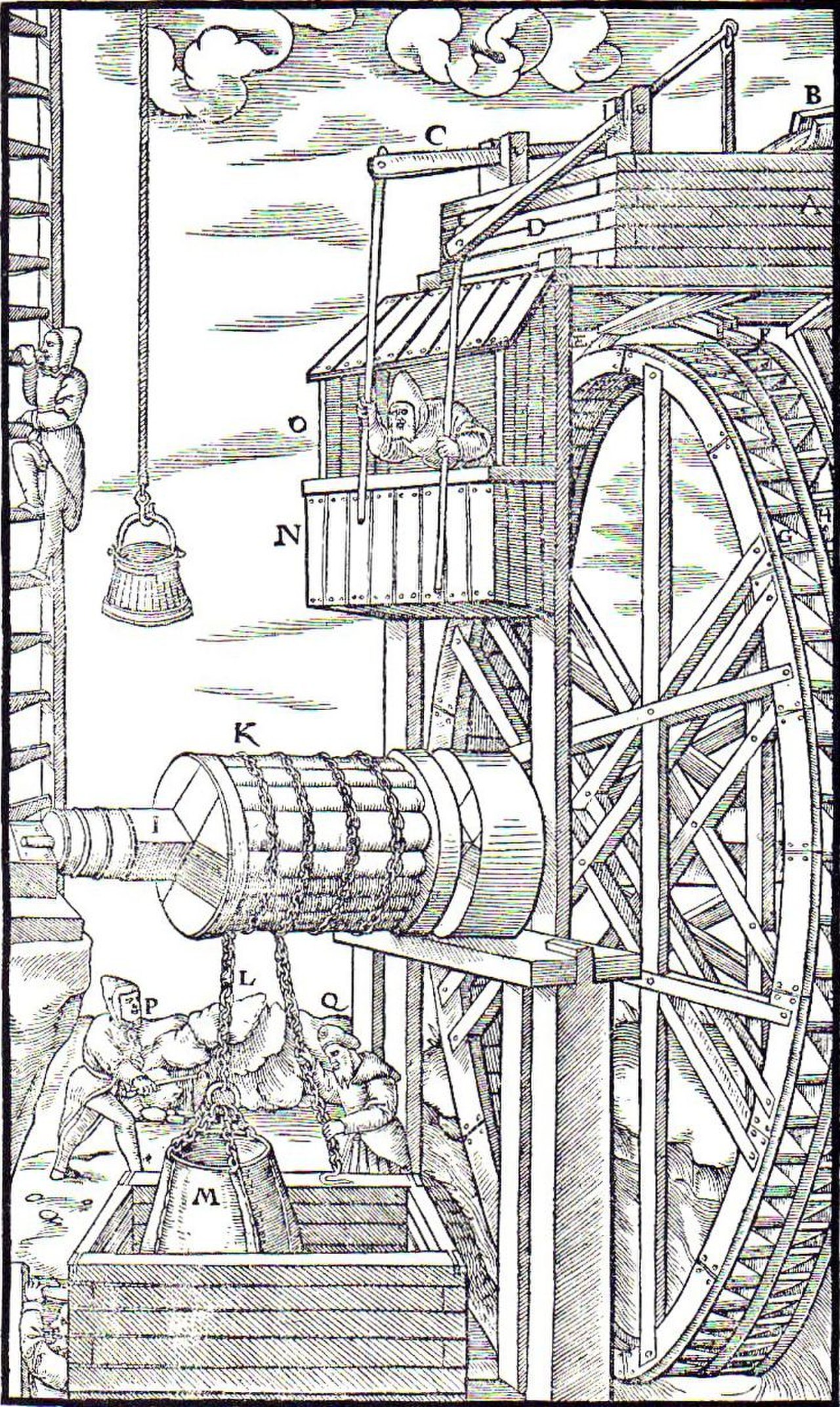
Mechanization, at its core, is the application of mechanical devices to perform tasks previously done by human or animal labor. Its roots extend deep into antiquity, with the invention of fundamental mechanical principles like the lever, wheel, and pulley. These early innovations, while seemingly simple, represented a profound shift in human capability, enabling monumental construction projects and more efficient resource management.
The development of the Archimedes screw for irrigation and the astrolabe for navigation further illustrate early mechanization's impact. For centuries, progress was gradual, with watermills and windmills representing the most advanced forms of harnessing external power. These pre-industrial machines, though limited in scope and power, established the conceptual framework and practical understanding that would later fuel more radical transformations, demonstrating humanity's persistent drive to augment its physical capacities through ingenuity.
The Industrial Revolution and Beyond
The Industrial Revolution, beginning in the late 18th century, marked a pivotal era of mechanization, fundamentally altering the global economic and social landscape. The invention and widespread adoption of the steam engine, followed by advancements in metallurgy and power transmission, enabled the mechanization of industries on an unprecedented scale. Factories emerged as centers of production, replacing artisanal workshops and leading to mass production.
This transition from agrarian societies to industrial ones was characterized by rapid urbanization, new social classes, and a dramatic increase in the volume and variety of manufactured goods. Subsequent technological waves, including electrification and the development of the internal combustion engine, further expanded the reach and sophistication of mechanization, leading to innovations in transportation, communication, and consumer goods that continue to shape our world.
The Multifaceted Significance of Mechanization
The significance of mechanization extends far beyond mere efficiency gains; it is a primary driver of economic growth, societal development, and improved living standards. By automating labor, mechanization increases productivity, lowers production costs, and enables the creation of goods and services at scales previously unimaginable, fostering global trade and economic interdependence. It has been instrumental in improving human health and longevity by mechanizing agriculture to feed growing populations and by developing sophisticated medical equipment.
Furthermore, mechanization has enhanced safety by removing humans from hazardous environments and performing dangerous tasks. The ongoing evolution towards automation and robotics promises further advancements, though it also raises critical questions about labor displacement and the future of work, underscoring its complex and continuous impact on society.
Mechanization's Pervasive Influence
The application of mechanization is ubiquitous in the modern world, permeating nearly every sector of human activity. In industry, advanced robotics and automated systems perform intricate manufacturing processes, from microchip fabrication to automotive assembly, with unparalleled precision and speed. Agriculture relies heavily on mechanized equipment for planting, harvesting, and processing, ensuring food security for billions.
The construction industry utilizes heavy machinery for excavation, lifting, and assembly, enabling the creation of complex infrastructure. Even in our personal lives, mechanization is evident in everything from household appliances that automate chores to sophisticated transportation networks that connect the globe. The current trajectory of mechanization, driven by artificial intelligence and data analytics, is leading to 'smart' systems that can learn, adapt, and optimize operations, further blurring the lines between human and machine capabilities.
The Evolving Frontier
The current phase of mechanization is increasingly defined by automation and artificial intelligence. Unlike earlier forms that primarily replaced manual labor, modern automation can perform cognitive tasks, analyze data, and make decisions. This evolution is transforming industries by creating 'smart factories' and 'autonomous systems.' While this offers immense potential for increased productivity, innovation, and the creation of new types of jobs, it also presents significant challenges.
Concerns about widespread job displacement due to automation are prominent, necessitating a societal focus on reskilling, education, and the development of new economic models. The future of mechanization will likely involve a deeper integration of humans and intelligent machines, requiring careful consideration of ethical, social, and economic implications to ensure equitable progress.
Go deeper
Frequently Asked Questions
What is mechanization?+
How did early machines like levers and wheels help people?+
Why did the Industrial Revolution change how we make things?+
How do modern machines keep people safe?+
What could happen when robots become even smarter?+
Based on content from Wikipedia · Licensed under CC BY-SA 4.0