

Mark Rutte
Images

Mark Rutte


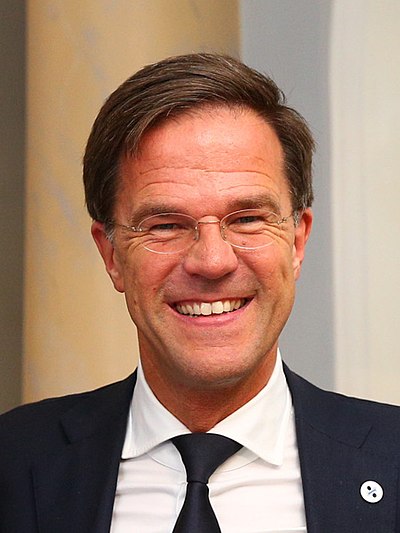


A Pragmatic Ascent
Mark Rutte’s path to becoming one of the Netherlands' most enduring political figures began not in the halls of academia or activism, but within the corporate structure of Unilever, a global consumer goods giant. This early career in business management instilled a pragmatic, results-oriented approach that would define his political tenure. Entering national politics in 2002, he quickly ascended through the ranks, demonstrating an aptitude for coalition building and policy implementation.
His victory in the 2006 VVD leadership election marked a significant turning point, positioning him to lead the party. The subsequent 2010 general election saw the VVD emerge victorious, propelling Rutte into the role of Prime Minister. This appointment was historically significant, as he was the first self-proclaimed liberal to hold the position in 92 years, signaling a shift in the political landscape towards a more market-oriented and individualistic governance model.
His initial term, however, was characterized by the complexities of coalition negotiations, a recurring theme throughout his premiership.
The Art of Endurance
Mark Rutte’s nearly 14-year tenure as Prime Minister of the Netherlands (2010-2024) is an unprecedented achievement in Dutch political history. This longevity is a testament to his remarkable ability to navigate complex political terrains, form and maintain coalitions, and adapt to evolving national challenges. His premiership was marked by several significant events, including the collapse of his first government due to budget negotiations in 2012, which paradoxically led to a stronger mandate and the formation of a VVD-Labour Party coalition that successfully completed a full term.
Even after the 2017 election, where the VVD remained the largest party, Rutte faced a record-breaking formation period to establish his third cabinet. The Dutch childcare benefits scandal, which led to the resignation of his fourth cabinet, further underscored the precarious nature of political leadership. Yet, the VVD’s victory in the 2021 election, followed by another lengthy formation process, demonstrated his persistent influence and the electorate's continued trust in his leadership, albeit in a caretaker capacity until the Schoof cabinet was sworn in.
The 'Teflon Mark' Phenomenon
A defining characteristic of Mark Rutte's political persona is his remarkable resilience, earning him the moniker 'Teflon Mark.' This nickname reflects his uncanny ability to weather political storms, scandals, and public criticism without significant personal or political damage. Observers have attributed this to his pragmatic and flexible approach to governance. Rather than adhering rigidly to a specific ideology, Rutte has demonstrated a willingness to compromise and accommodate a broad spectrum of political factions to achieve consensus and address pressing issues.
This managerial rather than purely visionary leadership style, as noted by some commentators, allowed him to maintain stability and continuity in a often-turbulent political environment. His capacity to remain in office until 2024, despite numerous challenges, highlights a unique skill in political survival and effective, albeit sometimes controversial, governance.
A Global Stage
Transitioning from national leadership to an international arena, Mark Rutte assumed the role of Secretary General of NATO in October 2024. This appointment places him at the helm of one of the world's most significant security alliances at a time of heightened geopolitical tension. NATO, comprising 32 member states, is tasked with ensuring the collective defense and security of its members through political and military means.
In this capacity, Rutte is responsible for guiding the alliance’s strategic direction, fostering cooperation among member states, and responding to emerging threats. His extensive experience in leading a diverse coalition government in the Netherlands, coupled with his pragmatic approach to problem-solving, positions him to navigate the complex diplomatic and security challenges facing NATO. His leadership is crucial in maintaining transatlantic security and adapting the alliance to the evolving global security landscape.
See also
Based on content from Wikipedia · Licensed under CC BY-SA 4.0