

Marine ecosystem
Images
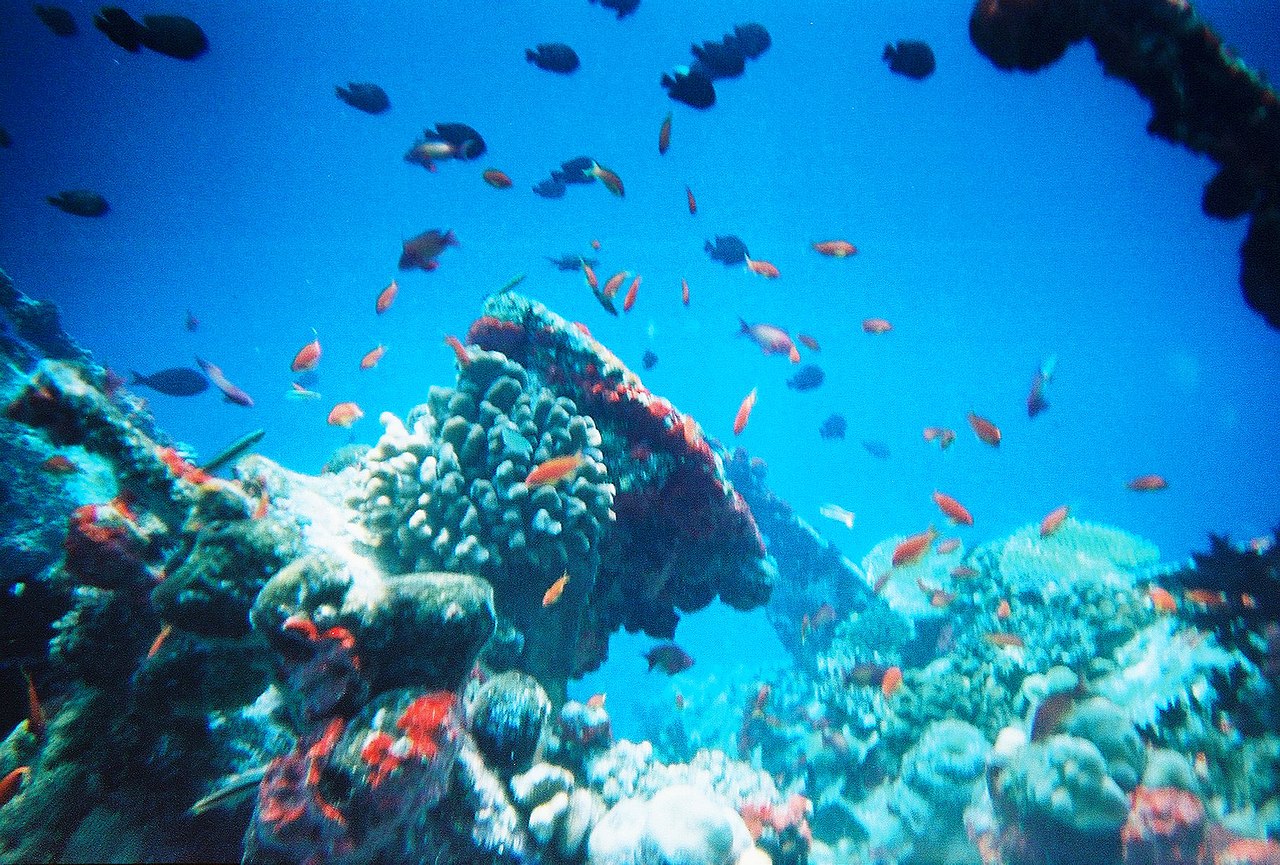
Marine ecosystem


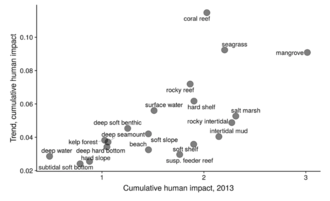


The Vast Saline Realm
Marine ecosystems represent the largest biome on Earth, characterized by their high salt content, distinguishing them from freshwater systems. Covering over 70% of the planet's surface, these waters are the primary reservoir of Earth's water, accounting for more than 97%. They also constitute the majority of habitable space on the planet.
The average salinity of seawater is approximately 35 parts per thousand, though this figure can fluctuate significantly across different marine environments due to factors like evaporation, precipitation, and freshwater input from rivers. These vast, interconnected systems are fundamental to global ecological processes and biodiversity.
Stratification and Zonation
Marine ecosystems are not monolithic but are stratified and zoned based on physical characteristics such as depth, light penetration, and proximity to land. The 'oceanic zone' refers to the vast, open ocean beyond the continental shelf, supporting pelagic organisms like whales, sharks, and tuna. The 'benthic zone' encompasses the seafloor and its associated substrates, providing habitats for a diverse array of invertebrates and microorganisms.
Near the coast, the 'neritic zone' is a highly productive area influenced by land. This includes a variety of specialized habitats like mudflats, seagrass meadows, mangrove forests, rocky intertidal systems, salt marshes, coral reefs, and lagoons, each supporting unique biological communities. In deep-sea environments, unique habitats like hydrothermal vents support chemosynthetic bacteria as the base of their food webs.
Biodiversity Hotspots and Key Organisms
The biological communities within marine ecosystems are incredibly diverse. Key groups of organisms include primary producers like phytoplankton (including dinoflagellates) and macroalgae (such as brown algae forming kelp forests), which form the base of most marine food webs. Iconic fauna include corals, which build complex reef structures that are biodiversity hotspots, and cephalopods like octopuses and squid, renowned for their intelligence and adaptive capabilities.
Echinoderms, such as sea stars and sea urchins, play important roles in benthic communities. Apex predators like sharks are crucial for maintaining ecosystem stability by regulating prey populations. These organisms interact in complex food webs, nutrient cycles, and symbiotic relationships.
Ecological Services, Threats, and Global Imperatives
Marine ecosystems provide indispensable ecosystem services, including climate regulation through carbon sequestration and heat absorption, oxygen production, and nutrient cycling. They are also critical sources of food and economic opportunities for a significant portion of the global population, supporting fisheries, tourism, and transportation. However, these vital systems face unprecedented threats from human activities.
Unsustainable resource exploitation, particularly overfishing, marine pollution (plastics, chemicals, noise), habitat destruction through coastal development, and the impacts of climate change (warming waters, sea-level rise, ocean acidification) are destabilizing marine environments. Ocean acidification, driven by increased atmospheric CO2 absorption, poses a severe threat to calcifying organisms like corals and shellfish. Recognizing these challenges, the international community has prioritized 'Life Below Water' (Sustainable Development Goal 14) to conserve and sustainably use the oceans.
Go deeper
Frequently Asked Questions
What is a marine ecosystem?+
Why are marine ecosystems important?+
How do marine ecosystems stay healthy?+
What are some threats to marine ecosystems?+
Where can we find different marine zones?+
Based on content from Wikipedia · Licensed under CC BY-SA 4.0