

Maracanã Stadium
Images

Another visit to Rio: Maracanã Stadium


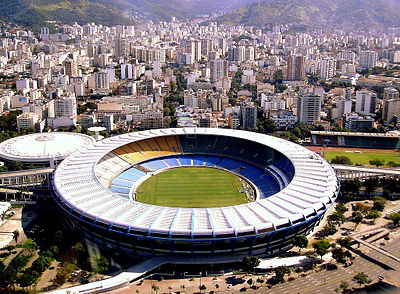


Architectural Ambition and the Ghosts of 1950
Inaugurated in 1950 for the FIFA World Cup, the Estádio Jornalista Mário Filho, universally known as Maracanã, was conceived as a testament to Brazil's burgeoning national pride and its deep-seated passion for football. Its sheer scale was unprecedented, designed to accommodate a record-breaking 173,850 spectators for the decisive match against Uruguay. This event, despite Brazil's loss, etched the stadium into global sporting lore and established its reputation for immense, almost overwhelming, crowd capacity.
The stadium's original design, with vast terraced sections, fostered an electric atmosphere, a palpable energy that reverberated with every cheer and gasp. This initial capacity, a marvel of mid-20th-century engineering, underscored Brazil's ambition to host the world's premier sporting event on an unparalleled scale, creating a venue that was as much a symbol of national identity as it was a sports arena.
The Era of Unfathomable Crowds and Fierce Rivalries
The Maracanã's history is inextricably linked to its astonishing attendance figures. For decades, it was a regular occurrence for crowds to exceed 100,000, with 26 matches seeing attendances of 150,000 or more. The legendary 'Fla-Flu' derby between Flamengo and Fluminense, in particular, became synonymous with Maracanã's capacity to draw immense throngs.
The 1963 derby, which saw an official attendance of 194,603, remains the highest club match attendance ever recorded globally. This phenomenon wasn't just about numbers; it represented a unique cultural experience where the sheer density of fans created an unparalleled sonic and emotional intensity. The stadium's design facilitated this, allowing for a collective roar that could be felt physically.
These massive gatherings highlight a distinct era of stadium culture before modern safety regulations and seating configurations became standard.
Adaptation and Modernization
As global stadium standards evolved, Maracanã underwent significant transformations. The replacement of terraced areas with seats, driven by safety concerns and a desire for enhanced spectator comfort, dramatically reduced its original capacity. Further major renovations were undertaken for the 2013 FIFA Confederations Cup, the 2014 FIFA World Cup (including hosting the final), and crucially, the 2016 Rio Olympics and Paralympics, where it served as the venue for the opening and closing ceremonies.
These modernizations, while necessary, altered the stadium's iconic silhouette and reduced its crowd-holding potential to the current 73,139. Despite these changes, Maracanã retains its status as the largest stadium in Brazil and the third largest in South America, a testament to its enduring significance and its ability to adapt to contemporary sporting and ceremonial demands.
A Multifaceted Cultural Epicenter
Beyond its primary role in association football, Maracanã has cemented its status as a versatile cultural landmark. It has hosted numerous high-profile concerts, drawing international music stars, and served as the central venue for the 2007 Pan American Games. Its selection for the opening and closing ceremonies of the 2016 Summer Olympics underscored its symbolic importance to Rio de Janeiro and Brazil.
The stadium continues to be a focal point for major football events, including Copa Libertadores finals and upcoming matches in the 2027 FIFA Women's World Cup, potentially including the final. Managed jointly by Flamengo and Fluminense, it remains the spiritual home for Rio's passionate football fan base, embodying a rich tapestry of sporting history, cultural celebrations, and national identity.
See also
Frequently Asked Questions
What is the Maracanã Stadium?+
Why was the Maracanã built so big?+
How many people can sit at the Maracanã now?+
What famous soccer match had the most fans at the Maracanã?+
What other events happen at the Maracanã besides soccer?+
Based on content from Wikipedia · Licensed under CC BY-SA 4.0