

Mandir
Images

Raj Mandir Movie Theater


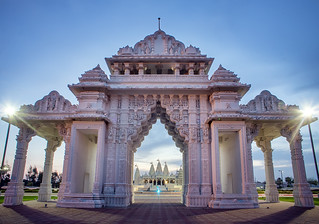
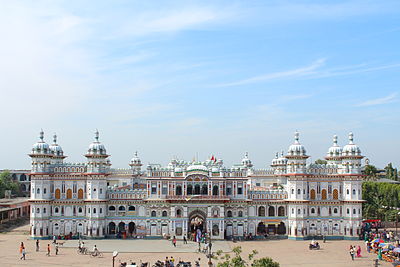
The Mandir as a Microcosm
A Mandir is conceived as the earthly abode of a deity, a sacred space where the divine is believed to reside. The architecture is deeply symbolic, often designed to represent the cosmos or the human body, with the central shrine (garbhagriha) symbolizing the heart or the womb of creation. The layout, from the towering shikhara (spire) or vimana (tower) to the intricate carvings adorning the walls, all carry profound spiritual meaning.
These temples are not merely places for individual prayer but are dynamic centers for communal worship, philosophical discourse, and the perpetuation of Hindu traditions. They serve as tangible links to the divine, providing a focal point for devotion and spiritual practice that transcends the mundane. The very act of entering a Mandir is often seen as a transition from the ordinary to the sacred, a journey towards spiritual enlightenment and connection.
A Chronicle in Stone
The history of Mandir construction is a rich narrative spanning over two millennia, reflecting the socio-political and cultural shifts in India. Early Mandirs, dating back to the Maurya and Shunga periods, were often simpler structures, sometimes carved out of rock. The Gupta period (c. 320-550 CE) is considered a classical era, witnessing the development of distinct architectural styles like the Nagara (North Indian) and Dravidian (South Indian) styles, characterized by their unique tower designs and temple layouts.
Subsequent dynasties, such as the Cholas, Pallavas, and Vijayanagara Empire, patronized the construction of magnificent temples, each leaving their architectural imprint. These grand projects were often funded by royalty and wealthy merchants, showcasing not only religious devotion but also political power and artistic patronage. The materials used, from sandstone and granite to marble, and the intricate sculptural programs, provide invaluable insights into the religious beliefs, social structures, and artistic achievements of different historical periods.
The Multifaceted Role of Mandirs in Hindu Society
The significance of Mandirs extends far beyond their role as places of worship. They are vital cultural institutions that preserve and transmit Hindu heritage. Mandirs serve as community hubs, fostering social cohesion through shared festivals, rituals, and gatherings.
They are also centers of learning, where religious texts are studied, and philosophical debates take place. In many communities, Mandirs provide essential social services, such as education and healthcare. The intricate iconography and narratives depicted in temple sculptures and paintings serve as visual scriptures, educating devotees about mythology, ethics, and dharma.
Furthermore, Mandirs often play a role in economic activity, supporting priests, artisans, and temple staff, and acting as centers for pilgrimage that boost local economies. They are living monuments that embody the continuity of Hindu civilization.
The Rhythms of Devotion
The daily life within a Mandir is orchestrated by a complex system of rituals and practices designed to honor the deity and facilitate spiritual connection. The day begins with the 'awakening' of the deity, followed by the 'bathing' and 'dressing' of the idol, and offerings of food (naivedyam). The central act of worship is puja, which involves a series of steps including invocation, offering of flowers, incense, and lamps (arati), and chanting of mantras.
Priests (pujaris) meticulously perform these rituals, often following ancient traditions passed down through generations. Devotees participate actively through prayers, singing devotional songs (bhajans and kirtans), meditation, and circumambulation (pradakshina) of the shrine. The sensory experience is rich, with the aroma of incense and flowers, the sound of bells and chanting, and the visual spectacle of vibrant decorations and divine imagery, all contributing to an immersive spiritual atmosphere.
Mandirs in the Modern World
In contemporary times, Mandirs continue to play a crucial role, adapting to new contexts and reaching global audiences. As Hindu communities have migrated, they have established Mandirs in diverse geographical locations, from North America and Europe to Southeast Asia and Africa. These global Mandirs serve not only as places of worship for expatriate communities but also as cultural centers that introduce Hinduism to new populations.
Modern Mandirs often incorporate contemporary architectural elements alongside traditional ones, and many utilize technology for online darshan (viewing of the deity), virtual religious services, and educational outreach. Despite these adaptations, the core function of the Mandir as a sanctuary for spiritual growth, community building, and the preservation of Hindu values remains steadfast, demonstrating its enduring relevance in the 21st century.
See also
Frequently Asked Questions
What is a Mandir?+
Why do Mandirs have big towers?+
How do people visit a Mandir?+
When were the first Mandirs built?+
What happens inside a Mandir each day?+
Based on content from Wikipedia · Licensed under CC BY-SA 4.0