

Mall
Images

Fountain in Dubai Mall


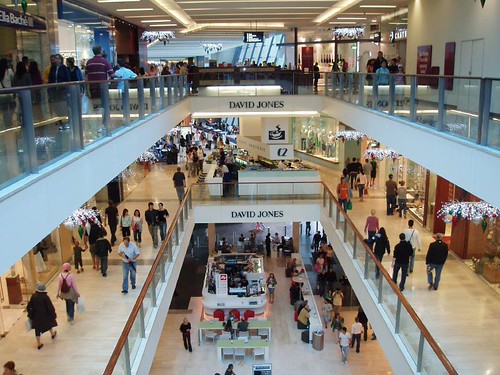


From Agora to Enclosed Metropolis
The concept of a 'mall' as a centralized place for commerce and social interaction has ancient roots, tracing back to the Greek agora and Roman forum. These were public spaces where citizens gathered for markets, civic discourse, and recreation. The modern iteration began to take shape with the development of arcades and covered walkways in 18th and 19th-century Europe, offering a more controlled shopping environment.
However, the true revolution arrived in the mid-20th century with the advent of the enclosed, climate-controlled shopping mall, particularly in suburban America. These were initially designed as car-centric destinations, offering convenience and a wide array of goods and services, often anchored by large department stores. They rapidly became dominant retail formats, shaping urban and suburban landscapes and consumer habits.
The Mall as an Economic Engine and Social Nexus
Malls function as complex economic ecosystems. They are typically developed and managed by real estate companies that lease individual retail spaces to various businesses. This model allows for a high concentration of consumer choice, benefiting from shared infrastructure, marketing, and crucially, aggregated foot traffic.
The success of a mall often hinges on its tenant mix, balancing anchor stores with smaller specialty shops and diverse dining options to create a compelling destination. Beyond their commercial role, malls have historically served as vital social hubs. They provide accessible, safe, and climate-controlled public spaces for community interaction, entertainment, and leisure, especially in areas lacking other communal gathering points.
This dual function as economic engine and social nexus has been central to their enduring appeal.
Mechanisms of Operation
The operational framework of a shopping mall is built on a foundation of leasing and property management. Mall owners, often large real estate investment trusts (REITs), acquire land and construct the facility, then subdivide it into leasable units. Retailers sign leases, agreeing to pay rent, which can be a fixed amount, a percentage of sales, or a combination of both.
The mall management team is responsible for maintaining the physical structure, including common areas, parking lots, and security. They also orchestrate marketing campaigns to attract shoppers, organize events, and manage the overall tenant mix to ensure a vibrant and profitable environment. This intricate coordination is essential for the mall's continued success in a competitive retail landscape.
Diversification and Evolution
The definition of 'mall' has broadened considerably. While the enclosed shopping mall remains a significant retail format, its dominance has been challenged by e-commerce and changing consumer preferences. Consequently, many traditional malls are undergoing transformations, incorporating more entertainment, dining, and even residential or office spaces to remain relevant.
Alongside these, 'strip malls' continue to serve local communities with convenient access to essential services. 'Pedestrian zones' and 'esplanades' represent a return to more walkable, street-level retail experiences, often emphasizing local businesses and a more curated atmosphere. This diversification reflects an ongoing adaptation to market demands and evolving urban planning philosophies.
Contemporary Relevance and Future Prospects
In the digital age, the role of the physical mall is being re-evaluated. While online shopping offers unparalleled convenience, malls continue to offer tangible experiences that e-commerce cannot replicate: the ability to see, touch, and try products, the social interaction of shopping with friends, and the appeal of curated entertainment and dining. Many successful malls are evolving into mixed-use developments, integrating retail with other functions to create dynamic community centers.
The future of malls likely lies in their ability to adapt, offering unique experiences, fostering community engagement, and leveraging technology to bridge the gap between the physical and digital retail worlds. They are no longer just places to buy things, but destinations for experiences.
Go deeper
Frequently Asked Questions
What is a mall?+
Why do malls have big stores and small shops?+
How do malls stay clean and safe?+
Where did the idea of a mall come from?+
Are malls still popular with kids today?+
Based on content from Wikipedia · Licensed under CC BY-SA 4.0