

Loudspeaker
Images
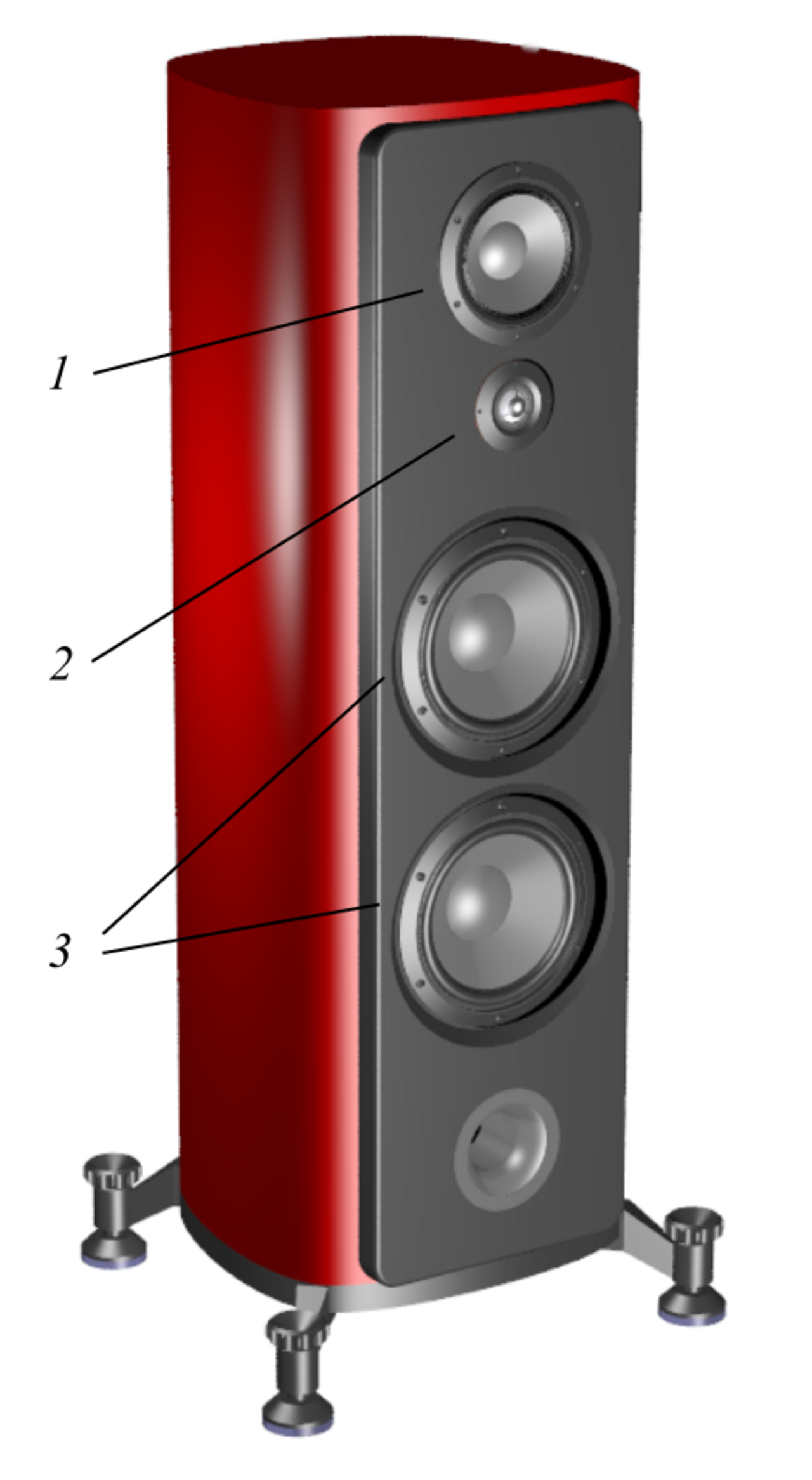
Loudspeaker


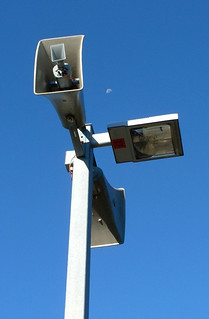


From Acoustic Horns to Dynamic Drivers
The concept of amplifying sound predates electrical engineering, with early acoustic horns serving as rudimentary sound projectors. However, the advent of electrical amplification in the late 19th and early 20th centuries revolutionized sound reproduction. The development of the dynamic loudspeaker, largely credited to Chester Rice and Edward Kellogg in the 1920s, marked a pivotal moment.
Their design, based on the principle of electromagnetic induction, allowed for efficient conversion of electrical audio signals into mechanical vibrations. This innovation moved beyond earlier, less efficient designs like the electrostatic or piezoelectric speakers. The dynamic driver's ability to produce a wide frequency range with significant volume made it the standard for radio, public address systems, and later, for the burgeoning film industry.
Subsequent advancements focused on material science for diaphragms, magnet strength, and enclosure design to improve fidelity, power handling, and frequency response, leading to the diverse array of specialized loudspeakers we see today.
The Physics of Sound Production
At its core, a dynamic loudspeaker is a transducer that converts electrical energy into acoustic energy. The process hinges on the principles of electromagnetism. An alternating electrical current, representing the audio signal, flows through a voice coil, which is a cylindrical coil of wire.
This coil is suspended within the magnetic field of a permanent magnet. According to Lorentz force, when a current-carrying conductor is placed in a magnetic field, it experiences a force. The direction and magnitude of this force are proportional to the current's direction and strength, and the magnetic field's intensity.
As the audio signal fluctuates, the current in the voice coil changes, causing the coil and the attached diaphragm (the cone or dome) to move back and forth. This mechanical motion displaces the surrounding air, generating compressions and rarefactions that propagate as sound waves. The frequency of the electrical signal determines the frequency of the diaphragm's vibration, thus defining the pitch of the sound, while the amplitude of the signal dictates the extent of the diaphragm's movement, controlling the sound's loudness (amplitude).
Societal Integration
Loudspeakers are not merely technological components; they are integral to the fabric of modern society, profoundly shaping communication, culture, and public life. They are indispensable for public address systems, facilitating mass communication during emergencies, public events, and in transportation hubs, ensuring information dissemination to large populations. In education, they enable effective instruction in classrooms and support remote learning platforms.
The entertainment industry, from live concerts and cinemas to home audio systems, relies entirely on loudspeakers to deliver immersive auditory experiences, influencing popular culture and artistic expression. Furthermore, loudspeakers play a critical role in psychological and social contexts, conveying emotional nuances in music and speech, fostering community through shared listening experiences, and even serving as tools for protest and social movements. Their ubiquitous presence underscores their fundamental importance in how we interact, learn, and experience the world.
Technological Advancements and Future Directions
The evolution of loudspeaker technology continues, driven by demands for higher fidelity, greater efficiency, and novel applications. Beyond the ubiquitous dynamic driver, research and development explore alternative transduction methods such as planar magnetic, electrostatic, ribbon, and balanced armature drivers, each offering unique sonic characteristics suitable for specific applications like high-fidelity headphones or studio monitors. Material science plays a crucial role, with advancements in cone materials (e.g., carbon fiber, beryllium) and magnet technology (e.g., neodymium) leading to lighter, stiffer, and more powerful drivers.
The integration of digital signal processing (DSP) allows for sophisticated equalization and room correction, optimizing sound reproduction in diverse environments. Emerging trends include the development of smart speakers with advanced AI capabilities, immersive audio technologies like Dolby Atmos that utilize multiple speakers for a 3D soundscape, and the miniaturization of high-performance drivers for portable devices. Future innovations may focus on even greater energy efficiency, personalized sound zones, and seamless integration into augmented and virtual reality experiences.
See also
Frequently Asked Questions
What is a loudspeaker and how does it make sound?+
Who invented the first good loudspeaker and when?+
Why do loudspeakers need a magnet and a coil?+
How do loudspeakers help people in emergencies?+
What kinds of places use loudspeakers for music and movies?+
Based on content from Wikipedia · Licensed under CC BY-SA 4.0