

Lonlay-l'Abbaye
Images
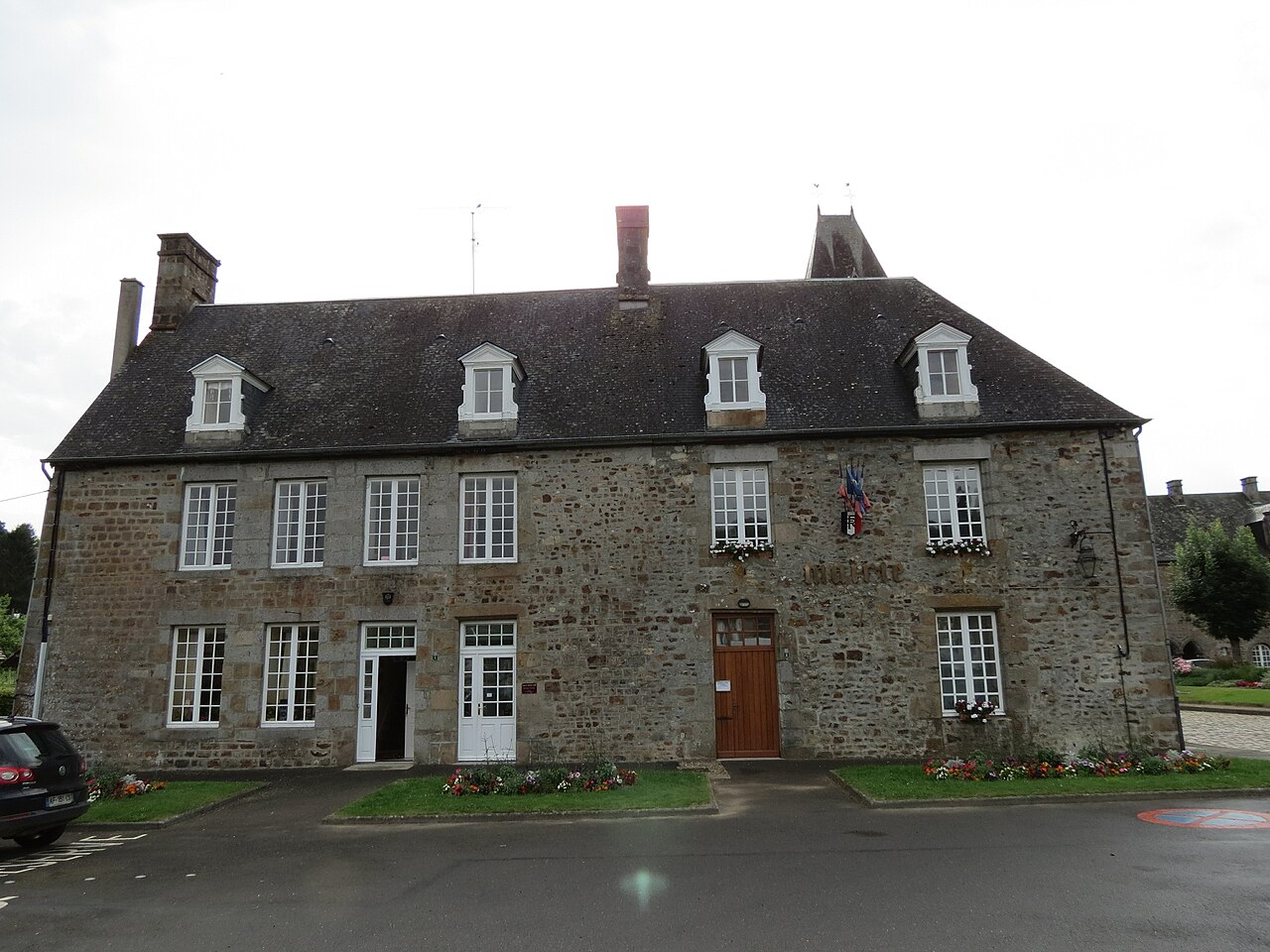
Lonlay-l'Abbaye - mairie


Geographical Context and Landscape Characteristics
Lonlay-l'Abbaye is strategically situated within the Orne department in the northwestern region of France. Its geographical placement is notable for being precisely midway between the towns of Domfront and Flers, suggesting a role as a connecting point or a tranquil interlude between more populated centers. The commune is characterized by a pastoral landscape, typical of the Normandy region, featuring rolling hills, verdant fields, and likely a network of small rivers or streams that contribute to its ecological richness.
The climate is temperate, experiencing distinct seasons that influence the visual appeal and agricultural potential of the area. This environment fosters a strong connection between the community and the natural world, offering ample opportunities for outdoor pursuits and a high quality of life for its residents. The presence of specific natural landmarks, such as Fosse Arthur, highlights the area's scenic value and potential for eco-tourism.
Historical Significance and Architectural Heritage
The historical narrative of Lonlay-l'Abbaye is intrinsically linked to its magnificent abbey. While the precise founding date requires further historical research, abbeys in France often date back to the medieval period, signifying a deep historical lineage. Such institutions were not merely religious centers but also hubs of learning, culture, and economic activity for centuries.
The abbey's architecture would likely reflect the prevailing styles of its era, offering insights into historical construction techniques and artistic sensibilities. The village square, often the focal point of medieval settlements, would have served as a marketplace and social gathering space, further cementing the abbey's influence on the community's development. The enduring presence of these structures provides a tangible link to the past, shaping the identity and heritage of Lonlay-l'Abbaye and offering a rich context for understanding its evolution.
Socio-Economic Fabric and Community Life
The socio-economic structure of Lonlay-l'Abbaye is likely shaped by its rural setting and historical legacy. The economy would traditionally be rooted in agriculture, given the fertile lands of the Orne department. However, the presence of a significant historical monument like the abbey, coupled with attractive natural scenery, suggests a growing potential for tourism.
This could involve heritage tourism, drawing visitors interested in the abbey's history and architecture, as well as nature tourism, capitalizing on the walking trails and viewpoints like Fosse Arthur. Local businesses would cater to the needs of the residents and potentially the influx of tourists. Community life would likely be centered around the town square and the abbey, fostering a strong sense of local identity and shared heritage.
The pace of life is probably more relaxed than in urban areas, emphasizing a connection to tradition and the environment.
Governance and Administrative Structure
As a commune in France, Lonlay-l'Abbaye operates under the French administrative system. It is governed by a mayor and a municipal council, elected by the residents. The mayor is responsible for the day-to-day administration of the commune, implementing decisions made by the council, and representing the commune in official capacities.
The municipal council is tasked with managing local affairs, including public services, infrastructure, urban planning, and local economic development. Lonlay-l'Abbaye falls under the jurisdiction of the Orne department, which in turn is part of the larger Normandy region. This hierarchical structure ensures that local governance is integrated into broader regional and national frameworks, providing essential public services and maintaining order within the commune.
The specific responsibilities and budget of the Lonlay-l'Abbaye municipal government would be focused on preserving its heritage and enhancing the quality of life for its inhabitants.
Educational Landscape and Cultural Transmission
While specific details about educational institutions in Lonlay-l'Abbaye are not provided in the source, it is reasonable to infer that the commune would have access to primary education facilities, typical of French rural communities. These schools play a crucial role in transmitting local culture and heritage to younger generations. Education in France follows a national curriculum, ensuring a standardized level of learning, but local schools often incorporate elements of regional history and geography into their teaching.
The abbey itself can serve as an invaluable educational resource, providing living history lessons and inspiring an appreciation for architectural and religious heritage. Beyond formal schooling, the cultural transmission in Lonlay-l'Abbaye would be reinforced through community events, local traditions, and the preservation of its historical sites. The natural landscape also offers opportunities for environmental education and fostering a connection with the local ecosystem.
See also
Frequently Asked Questions
What is Lonlay-l'Abbaye?+
Where is Lonlay-l'Abbaye located?+
What makes the abbey special?+
What can visitors do in Lonlay-l'Abbaye?+
Who takes care of the village?+
Based on content from Wikipedia · Licensed under CC BY-SA 4.0