

Logar Province
Images

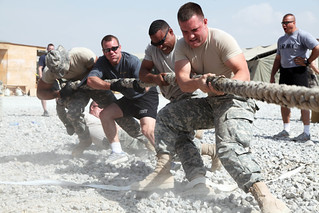
Civil affairs in action in Logar province




Geopolitical and Environmental Landscape of Logar
Logar Province occupies a significant position in the eastern quadrant of Afghanistan, bordering other key regions and contributing to the nation's complex geography. The province is administratively divided into seven districts, each encompassing a network of villages that form the grassroots of its society. Central to its environmental and economic character is the Logar River, a crucial waterway that originates in the west and traverses northward, influencing the fertility of the land and supporting agricultural endeavors.
The terrain is likely characterized by river valleys, foothills, and potentially higher mountainous areas, creating diverse microclimates that affect settlement patterns and resource availability. Understanding Logar's geography is key to appreciating its historical significance and its role in regional connectivity and resource management.
Demographic Mosaic and Cultural Heritage
As of 2021, Logar Province was home to approximately 442,037 inhabitants, a population predominantly composed of ethnic Pashtuns and Tajiks. These two major ethnic groups contribute significantly to the cultural richness of the region, bringing distinct linguistic traditions, social customs, and historical narratives. Pashto and Dari serve as the primary languages of communication and administration, reflecting Afghanistan's multilingual reality.
The social fabric of Logar is woven from these diverse threads, with community life often revolving around kinship ties, religious practices, and traditional agricultural cycles. The capital city, Puli Alam, acts as a nexus for cultural exchange and administrative functions, bridging the gap between rural communities and the broader national context.
Economic Foundations and Development Challenges
The economy of Logar Province is fundamentally agrarian, with a substantial portion of its population engaged in farming and animal husbandry. The fertile plains along the Logar River are vital for crop production, while livestock raising is prevalent in the more arid or hilly areas. Beyond primary production, local economies are supported by small-scale trade, artisanal crafts, and services centered in Puli Alam and district towns.
The province's strategic location also positions it as a transit route, potentially influencing its economic dynamism. However, like many regions in Afghanistan, Logar faces developmental challenges, including infrastructure deficits, security concerns, and the need for diversified economic opportunities to foster sustainable growth and improve livelihoods.
Governance Structures and Sociopolitical Dynamics
Logar Province operates within Afghanistan's national governance framework, with Puli Alam serving as the provincial capital and the seat of its administrative leadership. The provincial government is tasked with implementing national policies, managing local resources, and ensuring the delivery of public services across its seven districts. This hierarchical structure, from the provincial level down to district and village councils, aims to provide a degree of local autonomy while maintaining national cohesion.
The sociopolitical dynamics of Logar are influenced by its ethnic composition, historical events, and its position within the broader Afghan conflict and peace-building efforts. Effective governance in Logar requires navigating these complex factors to promote stability, security, and development.
Educational Landscape and Future Prospects
Education in Logar Province is a critical component for its future development and the empowerment of its population. While specific details on the educational system are not provided in the source, it can be inferred that efforts are made to establish and maintain schools across the province, from the capital to its numerous villages. Access to quality education, particularly for girls, remains a significant challenge in many parts of Afghanistan, and Logar is likely no exception.
The presence of Pashtun and Tajik populations suggests that educational materials and instruction would ideally be available in both Pashto and Dari. Investing in education is paramount for equipping the younger generation with the skills needed to contribute to the province's economy, governance, and cultural preservation, thereby shaping a more prosperous and stable future for Logar.
See also
Frequently Asked Questions
Where is Logar Province located?+
What river runs through Logar Province?+
Who lives in Logar Province?+
What do people in Logar Province do for work?+
What is the capital city of Logar Province?+
Based on content from Wikipedia · Licensed under CC BY-SA 4.0