

Locus (genetics)
Images

Locus (genetics)





The Chromosomal Address
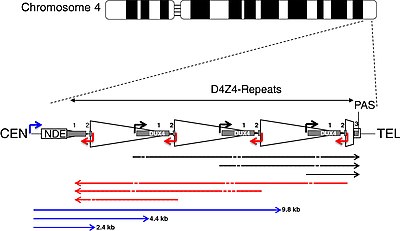
In the intricate landscape of the genome, a locus (plural: loci) serves as the definitive, fixed position on a chromosome where a specific gene or genetic marker is situated. Each chromosome is a densely packed structure housing numerous genes, with each gene occupying its unique locus. For humans, a complete haploid set of 23 chromosomes is estimated to contain between 19,000 and 20,000 protein-coding genes, each with its designated locus.
This precise localization is fundamental to genetics, as it allows for the systematic study and mapping of the genome. The concept of a locus is not merely descriptive; it is foundational to understanding gene function, inheritance patterns, and the molecular basis of biological traits. Without a defined locus, the organized transmission of genetic information from one generation to the next would be impossible, leading to chaotic and non-viable genetic structures.
Historical Cartography
The journey to understanding loci began with early observations of heredity, long before the molecular nature of genes was understood. Initially, geneticists inferred the existence and relative positions of genes through breeding experiments, noting how traits were inherited together or independently. This led to the development of linkage maps, which represented the order of genes on chromosomes based on recombination frequencies.
Pioneers like Alfred Sturtevant, using Thomas Hunt Morgan's fruit fly research, created the first gene map in 1913, demonstrating that genes were arranged linearly on chromosomes and that their relative distances could be measured. This groundbreaking work established the concept of loci as measurable positions. Over time, advancements in molecular biology, DNA sequencing, and bioinformatics have allowed for the creation of highly detailed physical maps, pinpointing loci with incredible accuracy down to the base pair level, transforming our ability to study the genome.
The Functional Significance of Gene Location
The significance of a locus extends far beyond mere identification; it profoundly influences gene regulation and function. Genes located in tightly packed regions of chromosomes (heterochromatin) are often less accessible to the cellular machinery for transcription, leading to reduced gene expression. Conversely, genes in more open regions (euchromatin) are typically more actively transcribed.
Furthermore, the proximity of a locus to regulatory elements like enhancers or silencers can dramatically impact a gene's activity. Understanding loci is critical in medical genetics. Many genetic disorders arise not just from mutations within a gene but also from alterations in its chromosomal location or the regulatory regions surrounding it. Gene mapping techniques, including association mapping and quantitative trait loci (QTL) mapping, leverage the concept of loci to identify the genetic underpinnings of complex traits and diseases by linking specific alleles at particular loci to observable phenotypes.
Allelic Variation and Genotypic States
Within a given locus, genes can exist in multiple forms known as alleles. These alleles arise from mutations and represent variations in the DNA sequence at that specific chromosomal address. The combination of alleles an individual possesses at a particular locus determines their genotype for that gene.
When an individual has identical alleles at a locus on homologous chromosomes (or in polyploid organisms), they are described as homozygous for that locus. Conversely, if they possess different alleles at the same locus, they are heterozygous. This allelic variation is the basis of genetic diversity within populations and is the raw material for natural selection and evolution.
The study of allele frequencies at different loci is a cornerstone of population genetics and evolutionary biology, helping us understand how populations adapt and diverge over time.
Mapping the Genome
Gene mapping, the process of determining the specific locus or loci responsible for particular phenotypes, has evolved dramatically. Early methods relied on linkage analysis, observing how often genes were inherited together due to their proximity on the same chromosome. Modern techniques, such as association mapping, utilize statistical methods to identify correlations between specific alleles at known loci and observable traits or diseases within large populations.
This approach leverages the phenomenon of linkage disequilibrium, where alleles that are physically close on a chromosome tend to be inherited together. This has been instrumental in identifying genetic variants associated with complex diseases like cancer, diabetes, and Alzheimer's. The Human Genome Project, by sequencing the entire human genome, has provided a reference map of virtually all human loci, accelerating research and paving the way for personalized medicine, where treatments can be tailored based on an individual's specific genetic makeup at various loci.
See also
Frequently Asked Questions
What is a locus in genetics?+
Why do scientists need to know where a locus is?+
How do researchers find the location of a locus?+
Where on a chromosome can a locus be found?+
What are alleles at a locus?+
Based on content from Wikipedia · Licensed under CC BY-SA 4.0