

Leiden University
Images
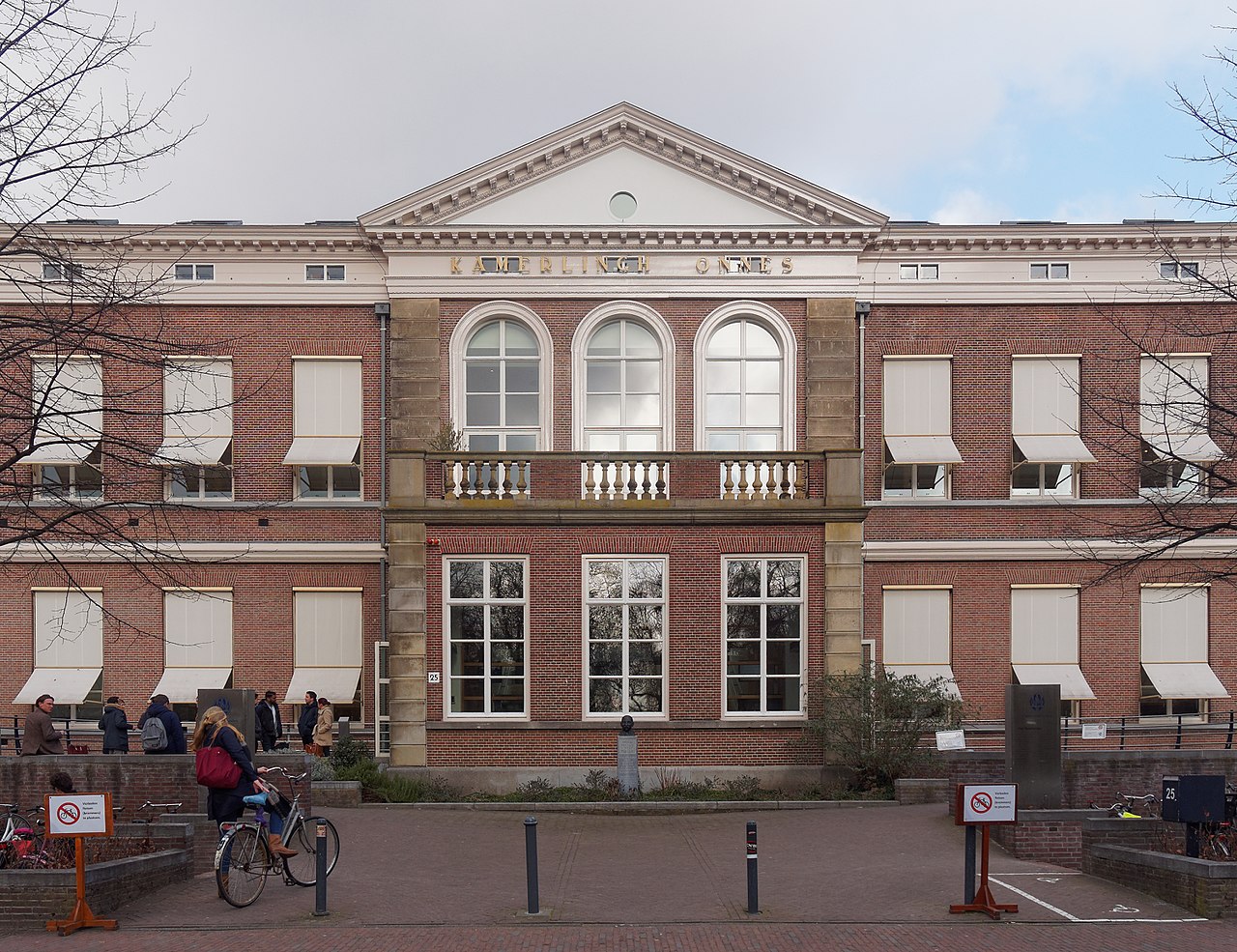
Leiden University - Kamerlingh Onnes Laboratorium 7007


Founding Principles and the Dawn of Tolerance
Established in 1575 by William, Prince of Orange, Leiden University emerged from a period of intense religious and political upheaval. Its founding as a Protestant institution was a strategic move during the Eighty Years' War, aiming to foster loyalty and intellectual capital within the newly forming Dutch Republic. What set Leiden apart, particularly during the Dutch Golden Age, was its embrace of intellectual tolerance.
In an era when many European nations were marked by religious persecution, the Dutch Republic offered a relatively safe haven for scholars and thinkers of diverse backgrounds and beliefs. This climate attracted luminaries such as René Descartes, whose philosophical inquiries revolutionized Western thought; Hugo Grotius, a pioneer of international law; and Baruch Spinoza, whose radical ideas challenged contemporary religious and philosophical norms.
The university's proximity to these intellectual giants fostered a unique environment for debate, research, and the cross-pollination of ideas, making it a magnet for Europe's brightest minds.
A Crucible of Scientific and Philosophical Advancement
Leiden University's historical impact is deeply intertwined with significant advancements in science and philosophy. Christiaan Huygens, a polymath associated with Leiden, made groundbreaking contributions to physics and astronomy, including his work on the wave theory of light and the discovery of Saturn's largest moon, Titan. The university's libraries and laboratories provided fertile ground for such discoveries. Beyond the sciences, Leiden was a hub for philosophical discourse.
The presence of figures like Spinoza, who developed his metaphysics and ethics while living in the Netherlands, and later, the influence of Enlightenment thinkers, cemented Leiden's reputation as a center for critical thinking. This tradition of rigorous inquiry and intellectual freedom continued to shape the university's academic ethos, attracting scholars who would push the boundaries of knowledge across numerous disciplines, from medicine and law to linguistics and history.
Enduring Influence
The university's commitment to academic excellence is demonstrably reflected in its distinguished alumni and faculty. Leiden has produced an impressive twenty-six Spinoza Prize Laureates, the highest scientific accolade in the Netherlands, and sixteen Nobel Laureates, recognizing contributions that have profoundly impacted humanity across various fields, including physics, chemistry, and medicine. This legacy extends to global leadership. Several members of the Dutch royal family, including Queen Juliana, Queen Beatrix, and the current monarch King Willem-Alexander, are alumni, signifying the university's esteemed position within the nation.
Furthermore, ten Prime Ministers of the Netherlands have graduated from Leiden, highlighting its role in shaping the country's political landscape. The university's international reach is underscored by notable foreign alumni, such as John Quincy Adams, the sixth President of the United States, who studied at Leiden, demonstrating its long-standing global influence and the caliber of education it provides.
Modern Structure and Global Research Networks
Today, Leiden University continues to be a leading public research university, organized into seven academic faculties that encompass a broad spectrum of disciplines. With over fifty subject departments and more than forty national and international research institutes, it remains at the forefront of global scholarship and innovation. The university's historical primary campus is a unique architectural tapestry woven into the fabric of Leiden city, fostering an integrated urban academic experience.
Complementing this is a second campus in The Hague, which hosts Leiden University College The Hague, offering a liberal arts education, and houses several key faculties. Leiden University is an active member of prestigious academic networks such as the Coimbra Group and the Europaeum, and is a founding member of the League of European Research Universities (LERU), underscoring its collaborative spirit and its commitment to advancing research and higher education on an international scale.
Go deeper
Frequently Asked Questions
What is Leiden University and when did it start?+
Why was Leiden University special during the Dutch Golden Age?+
Who are some famous people who studied or worked at Leiden University?+
How many Nobel Prize winners have come from Leiden University?+
Does Leiden University have any royal connections?+
Based on content from Wikipedia · Licensed under CC BY-SA 4.0