

Lanthanum
Images
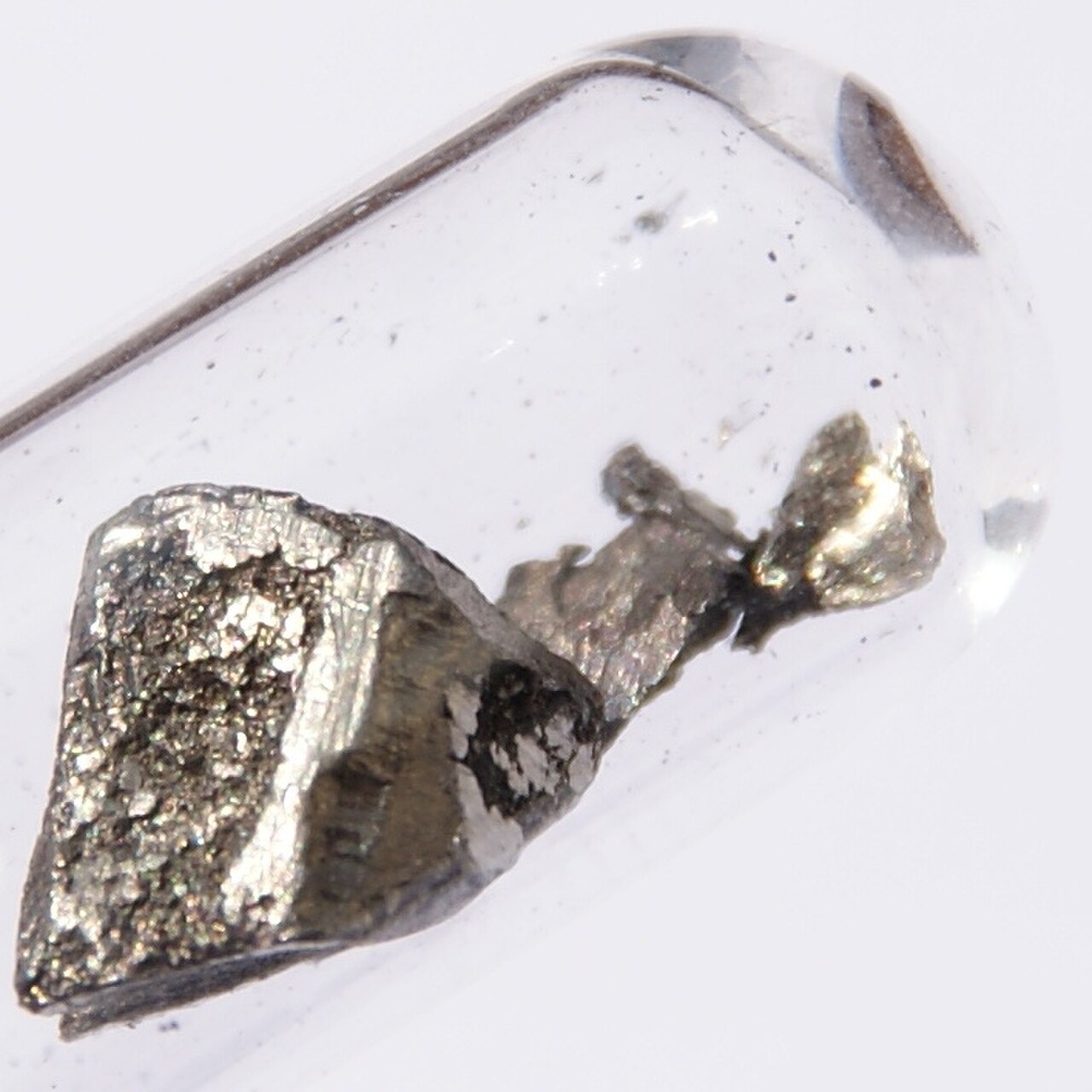
Lanthanum
Lanthanum
Lanthanum (La), atomic number 57, stands as the first element and prototype of the lanthanide series, a block of 15 elements (La through Lu) characterized by the filling of the 4f electron shell. It is a soft, malleable, silvery-white metal that exhibits moderate reactivity, tarnishing slowly in air to form lanthanum oxide. Its electronic configuration, [Xe] 5d¹ 6s², contributes to its chemical behavior.
While the +3 oxidation state is overwhelmingly dominant due to the stability achieved by emptying the 5d and 6s subshells, the existence of compounds with a +2 oxidation state, though less common, highlights nuances in its electronic structure and bonding. Lanthanum is classified among the rare earth elements, a misnomer given its relative abundance; it is the 28th most common element in Earth's crust, surpassing lead by a factor of three. It is typically found in minerals such as monazite and bastnäsite, often in association with other lanthanides, necessitating complex separation techniques.
Although it has no established biological role in humans, certain bacteria utilize lanthanum, and it possesses mild antimicrobial and toxicological effects, warranting careful handling.
Historical Context
The discovery of lanthanum is a testament to the meticulous nature of early chemical analysis. In 1839, Swedish chemist Carl Gustaf Mosander identified lanthanum as a new element while purifying cerium nitrate. He named it 'lanthanum' from the Greek word 'lanthanein,' meaning 'to lie hidden,' aptly describing its concealed presence within other mineral samples.
The isolation of pure lanthanum metal, however, proved to be a significant challenge due to its co-occurrence with other rare earth elements and the intricate chemical processes required for separation. It wasn't until 1923 that pure lanthanum metal was finally obtained, nearly a century after its initial identification. This prolonged period underscores the technological and analytical advancements needed to characterize and isolate elements that are not readily found in their pure metallic form.
Lanthanum's presence in minerals like monazite and bastnäsite, where it constitutes approximately 25% of the lanthanide content, made its extraction a complex industrial undertaking.
Industrial Applications
Lanthanum's unique properties lend themselves to a diverse array of critical industrial applications. In catalysis, lanthanum oxide is a key component in fluid catalytic cracking (FCC) catalysts used in petroleum refining, significantly increasing the yield of gasoline. It also plays a role in automotive catalytic converters, aiding in the reduction of harmful emissions.
The optical industry utilizes lanthanum oxide to produce high-refractive-index, low-dispersion optical glass, essential for high-quality camera lenses, telescopes, and other precision optical instruments, minimizing chromatic aberration. Historically, lanthanum was crucial in carbon arc lighting for studios and projectors, providing intense illumination. In modern lighting and electronics, it serves as an electron emitter in cathodes for vacuum tubes and display technologies.
Furthermore, lanthanum compounds are employed in scintillators for radiation detection and in gas tungsten arc welding electrodes, contributing to robust and reliable welding processes.
Therapeutic and Emerging Uses
Beyond its industrial prowess, lanthanum has found a vital niche in medicine. Lanthanum carbonate is prescribed as a phosphate binder for patients suffering from hyperphosphatemia, a common complication of chronic kidney disease. By binding to dietary phosphate in the gastrointestinal tract, it prevents its absorption into the bloodstream, thereby helping to manage dangerously high phosphate levels and reduce the risk of vascular calcification.
This application highlights the element's significant impact on patient care and quality of life. Emerging research also explores lanthanum's potential in other areas, including its use in solid oxide fuel cells and as a component in advanced battery technologies. Its antimicrobial properties, though mild, also suggest potential avenues for future development in disinfectant or preservative applications, further expanding the utility of this versatile element.
Go deeper
Frequently Asked Questions
What is lanthanum and why is it called "hidden"?+
How does lanthanum help make lights bright?+
Why is lanthanum used in car engines and catalytic converters?+
Where can we find lanthanum in nature?+
Is lanthanum safe for people and animals?+
Based on content from Wikipedia · Licensed under CC BY-SA 4.0