

Lagomorpha: The Hopping Family!
Images
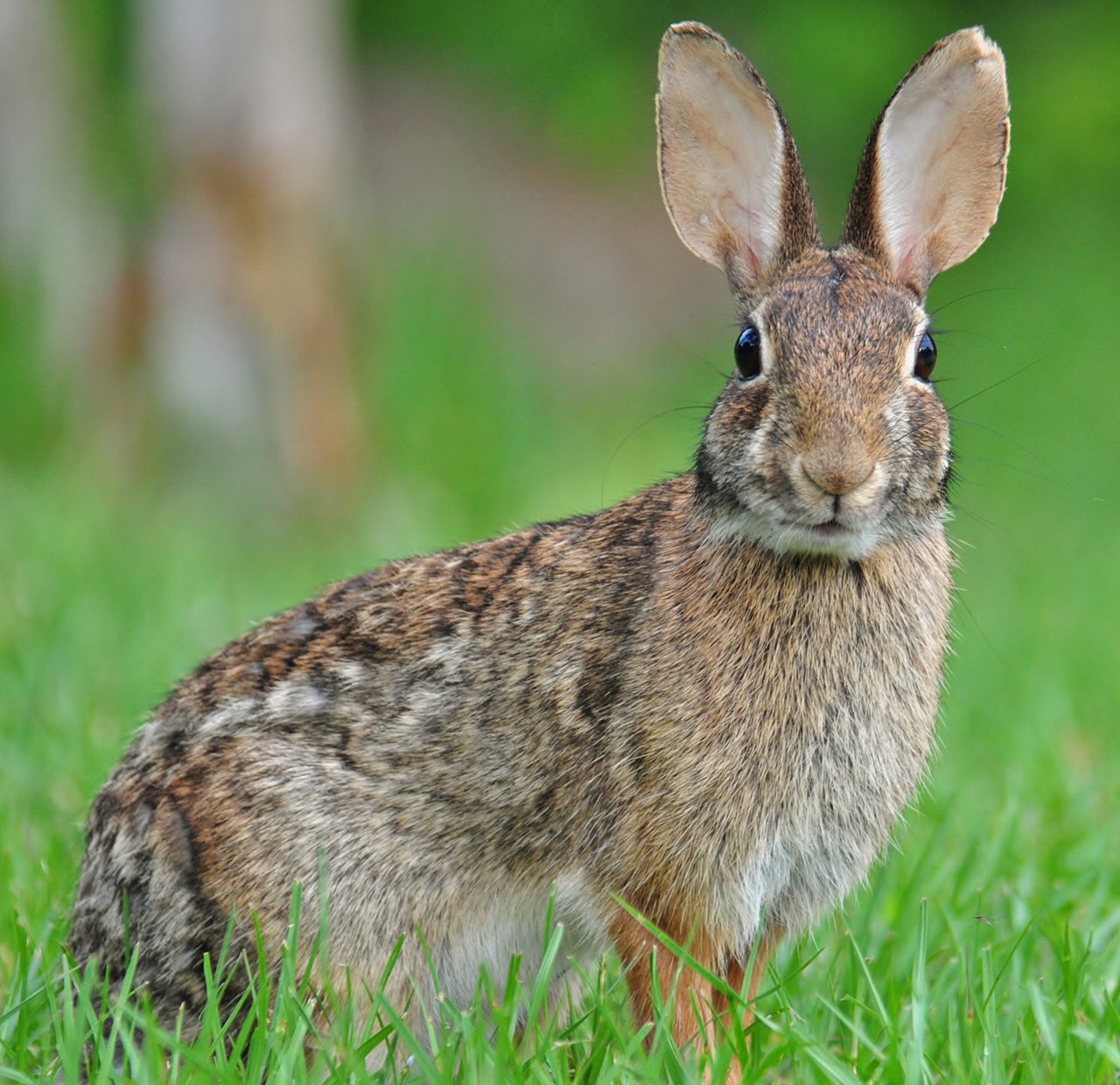
Lagomorpha


The Evolutionary Niche of Lagomorpha
The order Lagomorpha occupies a unique position in mammalian taxonomy, distinct from rodents despite superficial similarities. Their evolutionary divergence is marked by key anatomical features, most notably their dentition. Lagomorphs possess a distinctive dental formula featuring four upper incisors: two large, prominent ones and two smaller 'peg teeth' situated directly behind them.
This unique arrangement, coupled with continuously growing molars and premolars, is a specialized adaptation for processing fibrous plant material, including tough grasses, bark, and roots. This dietary specialization has allowed them to exploit niches unavailable to many other herbivores. Fossil evidence suggests lagomorphs have a long evolutionary history, with their ancestors appearing in the Eocene epoch, demonstrating their resilience and adaptability over millions of years.
Their global distribution, absent only from Antarctica and Oceania, underscores their successful colonization of diverse terrestrial environments.
Dietary Strategies and Predatory Dynamics
As obligate herbivores, lagomorphs play a critical role in shaping vegetation structure and nutrient cycling within their ecosystems. Their diet is highly varied, encompassing a wide range of plant matter depending on the season and habitat. Rabbits and hares are known for their efficient digestion, including coprophagy (re-ingesting fecal pellets) to extract maximum nutrients from their food.
This adaptation is crucial for survival, especially in environments with nutrient-poor vegetation. Their role as primary consumers makes them a vital food source for a multitude of predators, including foxes, birds of prey, and wild cats. The high reproductive rates of many lagomorph species, particularly rabbits, are a direct evolutionary response to intense predation pressure, ensuring population stability despite high mortality rates.
This predator-prey dynamic is a cornerstone of many terrestrial food webs.
Habitat Diversity and Behavioral Adaptations for Survival
Lagomorphs exhibit remarkable behavioral plasticity, adapting their lifestyles to suit a wide array of habitats. Rabbits are renowned for their fossorial (burrowing) behavior, constructing intricate warrens that provide shelter from predators and environmental extremes. These complex social structures can influence soil aeration and plant distribution.
In contrast, hares are typically solitary and terrestrial, relying on speed and camouflage in open environments, often resting in shallow depressions called forms. Pikas, adapted to alpine and montane regions, create 'haypiles' of dried vegetation, a sophisticated form of food storage for winter survival, demonstrating advanced planning and resource management. These varied strategies highlight the diverse evolutionary pathways within the order, enabling lagomorphs to thrive from arid deserts to snowy mountain slopes.
Reproductive Success and Conservation Challenges
The prolific reproductive capacity of many lagomorph species is a defining characteristic. Rabbits, with their short gestation periods and large litter sizes, can experience rapid population growth, often leading to significant ecological impacts in introduced environments. Hares also exhibit high reproductive potential, though typically with fewer young per litter compared to rabbits.
The conservation status of lagomorphs varies widely. While some species, like the European rabbit, are widespread and abundant, others face significant threats. Habitat loss, fragmentation, disease (such as myxomatosis and rabbit hemorrhagic disease), and hunting pressure have led to declines in several species.
For instance, some species of pikas are increasingly vulnerable to climate change, particularly warming temperatures in their high-altitude habitats, which can impact their ability to forage and survive. Understanding these reproductive strategies and ecological pressures is vital for effective conservation efforts.
Go deeper
Frequently Asked Questions
What makes rabbits and hares different from mice and other rodents?+
Why do rabbits eat their own poop?+
How do rabbits stay safe from predators?+
Where can you find lagomorphs around the world?+
Why do rabbits have many babies each year?+
Based on content from Wikipedia · Licensed under CC BY-SA 4.0