

Kraft Foods: Delicious Food Adventures!
Images
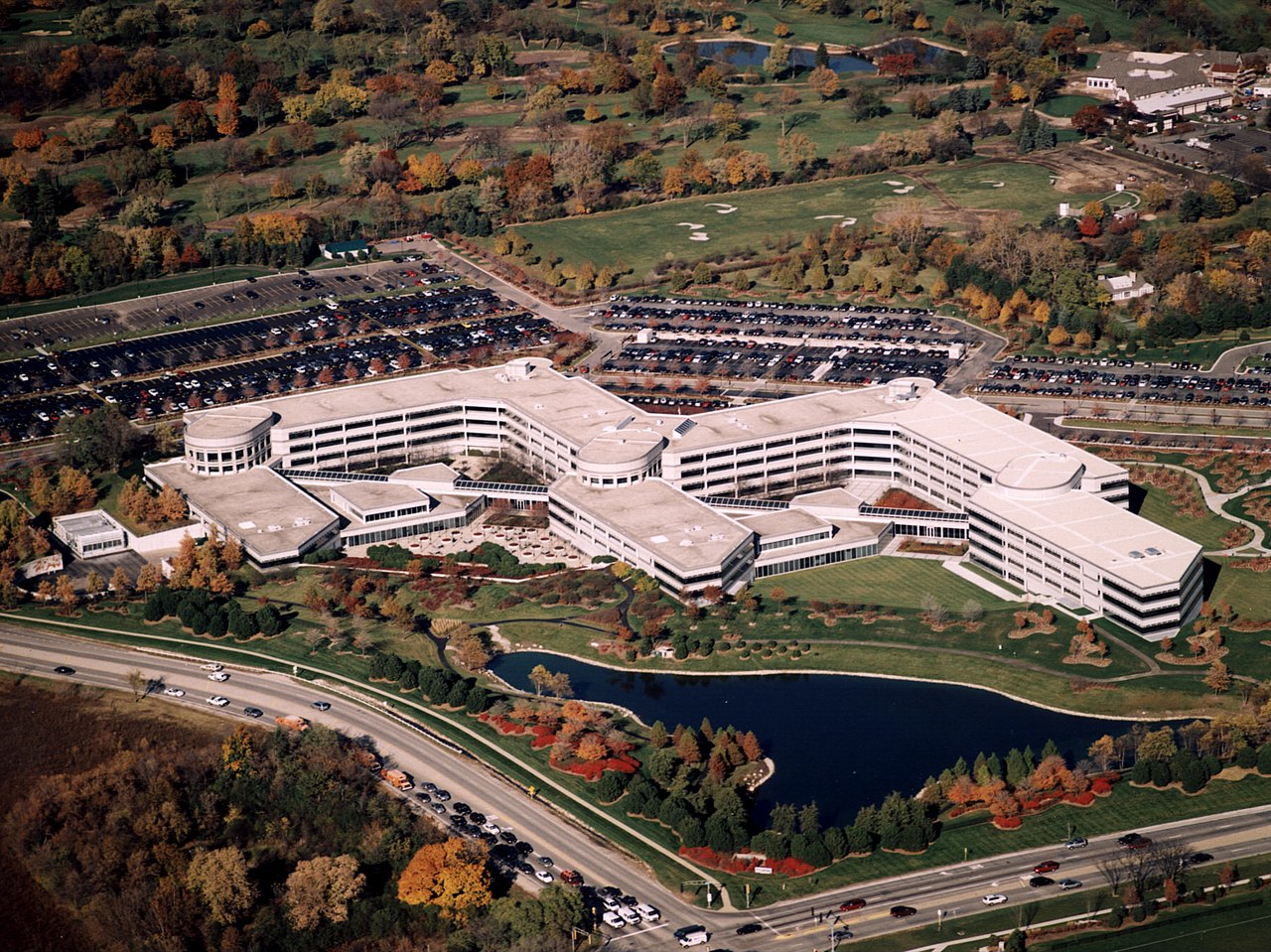
Kraft Foods HQ Northfield IL


The Genesis and Restructuring of Kraft Foods Group
Kraft Foods Group, Inc. emerged as a distinct corporate entity on October 1, 2012, following a strategic split from its parent company, Kraft Foods Inc. This restructuring was designed to create a more focused business unit dedicated to the North American grocery market, separating it from the global snacks business. Headquartered in Chicago, Illinois, the newly formed Kraft Foods Group inherited a portfolio of well-established brands and a significant market presence.
The objective behind this separation was to enhance operational efficiency, improve financial performance, and allow for more targeted strategic initiatives within the competitive food manufacturing and processing landscape. This move signaled a period of significant corporate re-evaluation within the food industry, as companies sought to optimize their structures for greater agility and profitability in an evolving market.
The Landmark Merger
A transformative event in the company's history occurred on July 2, 2015, with the completion of its merger with H.J. Heinz Company. This monumental transaction was orchestrated by Heinz's principal owners, Berkshire Hathaway and 3G Capital, renowned for their expertise in acquiring and integrating large corporations.
The fusion of Kraft Foods Group and Heinz created Kraft Heinz, a global powerhouse instantly recognized as the fifth-largest food and beverage company worldwide. This merger was driven by the pursuit of significant cost synergies, expanded market reach, and a strengthened competitive position across a broad spectrum of food categories, from condiments and dairy to packaged meals.
Economic and Consumer Significance of Kraft Brands
The legacy of Kraft Foods, now integrated into Kraft Heinz, is deeply intertwined with the daily lives of consumers and the broader economy. The company's products, such as Kraft Macaroni & Cheese, Kraft Singles, and various other staples, have become ubiquitous in households, offering convenience, affordability, and consistent quality. These brands play a crucial role in simplifying meal preparation for busy families and individuals, contributing to food security and accessibility.
Economically, Kraft Heinz is a major employer and a significant player in agricultural supply chains, influencing commodity markets and distribution networks. The company's ability to maintain brand loyalty and adapt to changing consumer preferences, such as the growing demand for healthier options, underscores its enduring market relevance.
Operational Dynamics
As a food manufacturing and processing conglomerate, Kraft Foods Group was involved in a complex network of operations. This encompassed the sourcing of raw agricultural products, intricate food processing techniques to create finished goods, and extensive logistics for distribution. The company managed numerous production facilities, each adhering to strict quality control and safety standards.
The processing aspect involved transforming ingredients through methods like pasteurization, dehydration, and packaging to ensure product shelf-life and consumer appeal. The scale of operations required sophisticated supply chain management to efficiently move products from manufacturing plants to wholesalers, retailers, and ultimately, to consumers across vast geographical areas.
Strategic Implications and Future Trajectory
The formation of Kraft Heinz represented a significant consolidation within the food industry, driven by a strategy to achieve economies of scale and operational efficiencies. The integration of Kraft Foods' established brands with Heinz's strong condiment and sauces portfolio created a formidable competitor. This strategic move aimed to leverage combined distribution channels, marketing power, and product development capabilities.
The ongoing challenge for Kraft Heinz, building on the foundation laid by Kraft Foods, involves navigating evolving consumer tastes, increasing competition from smaller, agile brands, and adapting to global economic shifts. The company's ability to innovate and respond to trends in health, sustainability, and convenience will be critical for its continued success in the dynamic global food market.
Go deeper
Frequently Asked Questions
What happened to Kraft Foods on October 1, 2012?+
Why did Kraft Foods merge with Heinz?+
What are some famous Kraft products?+
Where is Kraft Foods Group headquartered?+
How does Kraft Heinz help families?+
Based on content from Wikipedia · Licensed under CC BY-SA 4.0