

Kohgiluyeh and Boyer-Ahmad
Images

Kohgiluyeh and Boyer-Ahmad fa


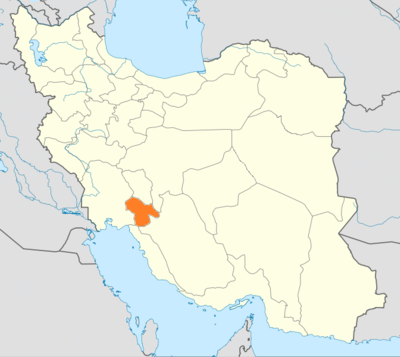


Geostrategic Landscape and Environmental Dynamics
Kohgiluyeh and Boyer-Ahmad is strategically situated in the Zagros Mountains of southwestern Iran, a region characterized by its rugged topography, including high peaks, deep valleys, and extensive karst formations. This mountainous terrain significantly influences its climate, which ranges from semi-arid in the lowlands to alpine in higher elevations, with distinct wet and dry seasons. The province is crisscrossed by numerous rivers, such as the Karkheh and Marun, which are crucial for water resources and agriculture, but also contribute to the risk of flash floods.
The geological complexity of the Zagros range also means the area is prone to seismic activity. These environmental factors have historically dictated settlement patterns, agricultural practices, and transportation routes, making the region both a natural fortress and a challenging environment for development. Understanding its geography is fundamental to grasping its historical isolation and its potential for resource management and ecotourism.
Historical Trajectories and Cultural Synthesis
The historical narrative of Kohgiluyeh and Boyer-Ahmad is deeply intertwined with the broader history of Persia, yet it retains distinct regional characteristics. Archaeological evidence points to ancient Elamite and Median settlements, with the region serving as a buffer and transit zone between major empires. During the Islamic era, it was often under the control of various dynasties, including the Buyids and Seljuks, and later became a significant territory for the Safavids and Qajars.
The province is particularly noted for its historical association with nomadic pastoralist groups, such as the Boyer-Ahmad and Kohgiluyeh tribes, whose semi-nomadic lifestyle and distinct social structures have profoundly shaped the region's identity. The process of sedentarization and integration into the modern Iranian state in the 20th century brought significant social and economic changes, leading to a complex synthesis of traditional tribal customs and modern national identity. This historical evolution has fostered a unique cultural mosaic, evident in its languages, customs, and social organization.
Socio-Cultural Fabric and Demographic Landscape
The population of Kohgiluyeh and Boyer-Ahmad is characterized by its ethnic and linguistic diversity, primarily comprising Lurs, with significant Persian and other minority groups. Persian is the official language, but Luri dialects are widely spoken, preserving a rich oral tradition. The social structure has historically been influenced by tribal affiliations and kinship ties, though modernization and urbanization are gradually altering these dynamics.
Traditional livelihoods, such as agriculture and nomadic pastoralism, remain important, contributing to a strong connection between the people and their environment. Cultural expressions, including music, dance, and intricate handicrafts, reflect this heritage. The province faces demographic challenges, including rural-to-urban migration and a relatively young population structure, necessitating focused development strategies to retain its human capital and foster sustainable growth.
The emphasis on hospitality and strong community bonds remains a defining characteristic of its social fabric.
Economic Pillars and Development Challenges
The economy of Kohgiluyeh and Boyer-Ahmad is predominantly agrarian, with agriculture and animal husbandry forming the backbone of its economic activity. The fertile valleys and mountain slopes support the cultivation of a range of crops, including wheat, barley, fruits, and nuts, while sheep and goat herding are vital for meat, dairy, and wool production. However, the province faces significant economic challenges, including limited industrialization, underdeveloped infrastructure, and reliance on traditional practices that can be vulnerable to climate fluctuations.
Efforts are underway to diversify the economy through the development of the tourism sector, leveraging its stunning natural landscapes, historical sites, and cultural heritage. The discovery and exploitation of oil and gas reserves in nearby regions also present potential economic opportunities, though careful management is required to ensure equitable benefit distribution and environmental protection. Government investment in infrastructure, education, and job creation is crucial for unlocking the province's full economic potential and improving living standards.
Governance and Educational Landscape
Kohgiluyeh and Boyer-Ahmad operates within the federal structure of the Islamic Republic of Iran, with its provincial administration headed by a Governor appointed by the central government. The provincial government is responsible for implementing national policies, managing public services, and overseeing regional development initiatives. This includes sectors like infrastructure, healthcare, and education.
The educational system follows the national curriculum, with a network of primary, secondary, and vocational schools aiming to provide access to education for the province's youth. The establishment of Yasuj University has been a significant step in enhancing higher education opportunities within the province, fostering research and producing skilled professionals. However, challenges persist in ensuring equitable access to quality education, particularly in remote rural areas, and in aligning educational outcomes with the demands of the evolving economy.
Government policies aim to address these disparities and promote lifelong learning.
See also
Frequently Asked Questions
What is Kohgiluyeh and Boyer-Ahmad?+
Why is the land in Kohgiluyeh and Boyer-Ahmad so mountainous?+
How do the rivers help people in Kohgiluyeh and Boyer-Ahmad?+
Who are the main people living in Kohgiluyeh and Boyer-Ahmad?+
What kinds of jobs do people do there?+
Based on content from Wikipedia · Licensed under CC BY-SA 4.0