

King John (play)
Images

Thomas Killigrew, dramatist




The Historical Canvas
William Shakespeare's 'The Life and Death of King John' is a compelling, albeit less frequently performed, history play that dramatizes the reign of King John of England (1199–1216). This monarch, son of Henry II and Eleanor of Aquitaine, and father to Henry III, presided over a period marked by significant political and territorial challenges. Written in the mid-1590s, the play predates the First Folio publication of 1623, which means its initial dissemination and reception might have differed from plays published during Shakespeare's lifetime.
The play plunges into the heart of John's struggles, including his disputed claim to the throne, conflicts with France, and the rebellion of English barons. Shakespeare uses John's reign as a stage to explore profound questions about the nature of kingship, the divine right of monarchs, and the devastating consequences of political instability. The narrative is rich with diplomatic maneuvering, military engagements, and personal betrayals, painting a vivid, if dramatized, portrait of a king under siege.
Genesis and Publication
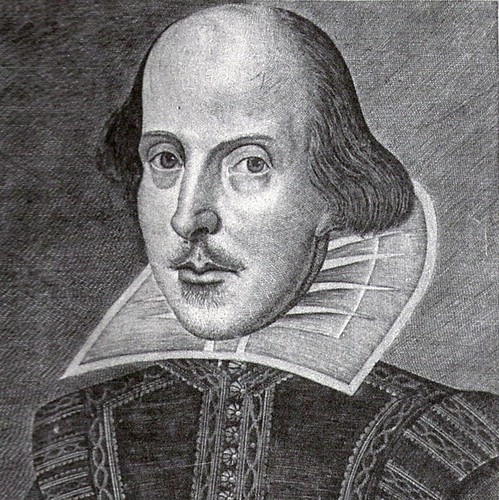
The composition of 'King John' in the mid-1590s places it within a prolific period of Shakespeare's career, where he was actively developing his craft in history plays and tragedies. The play's journey to publication is particularly noteworthy. Unlike many of Shakespeare's works that saw quarto publications during his lifetime, 'King John' was not printed until 1623, as part of the monumental First Folio.
This collection, compiled by John Heminges and Henry Condell, fellow actors and friends of Shakespeare, aimed to preserve his dramatic legacy. The absence of earlier printed versions suggests that 'King John' might have been less frequently performed or that its manuscript was less readily available for printing. The First Folio's inclusion of 'King John' was instrumental in its survival and subsequent study, allowing scholars and audiences to engage with its complex portrayal of medieval English history.
The Enduring Resonance
The enduring power of 'King John' lies in its unflinching examination of the complexities of leadership and the precariousness of power. Shakespeare masterfully portrays John not as a simple villain or hero, but as a ruler grappling with immense pressure, often making morally ambiguous choices. The play delves into themes of sovereignty, national identity, and the role of religion in politics, particularly through the conflict with the Pope.
It highlights the tension between a king's personal actions and his duty to his realm, and the devastating impact of internal dissent, culminating in the barons' rebellion. For contemporary audiences, the play offers a timeless commentary on the challenges of governance, the consequences of political expediency, and the human cost of conflict, making it a relevant study of leadership dynamics.
Dramatic Interpretation
As a history play, 'King John' exemplifies Shakespeare's ability to transform historical chronicles into compelling theatrical narratives. He draws upon sources like Holinshed's Chronicles, but he is not bound by strict historical accuracy. Instead, he selects, rearranges, and invents dialogue and scenes to serve dramatic purposes and explore thematic depth.
The play’s structure, characterized by its rapid shifts in scene and focus, reflects the volatile political landscape it depicts. Shakespeare’s genius lies in his capacity to imbue historical figures with psychological complexity, making their struggles and decisions relatable. The play’s exploration of themes such as the legitimacy of rule, the manipulation of public opinion, and the personal toll of political ambition continues to provoke thought and discussion among scholars and theatergoers alike.
See also
Based on content from Wikipedia · Licensed under CC BY-SA 4.0