

Kiesselbach's plexus
Images
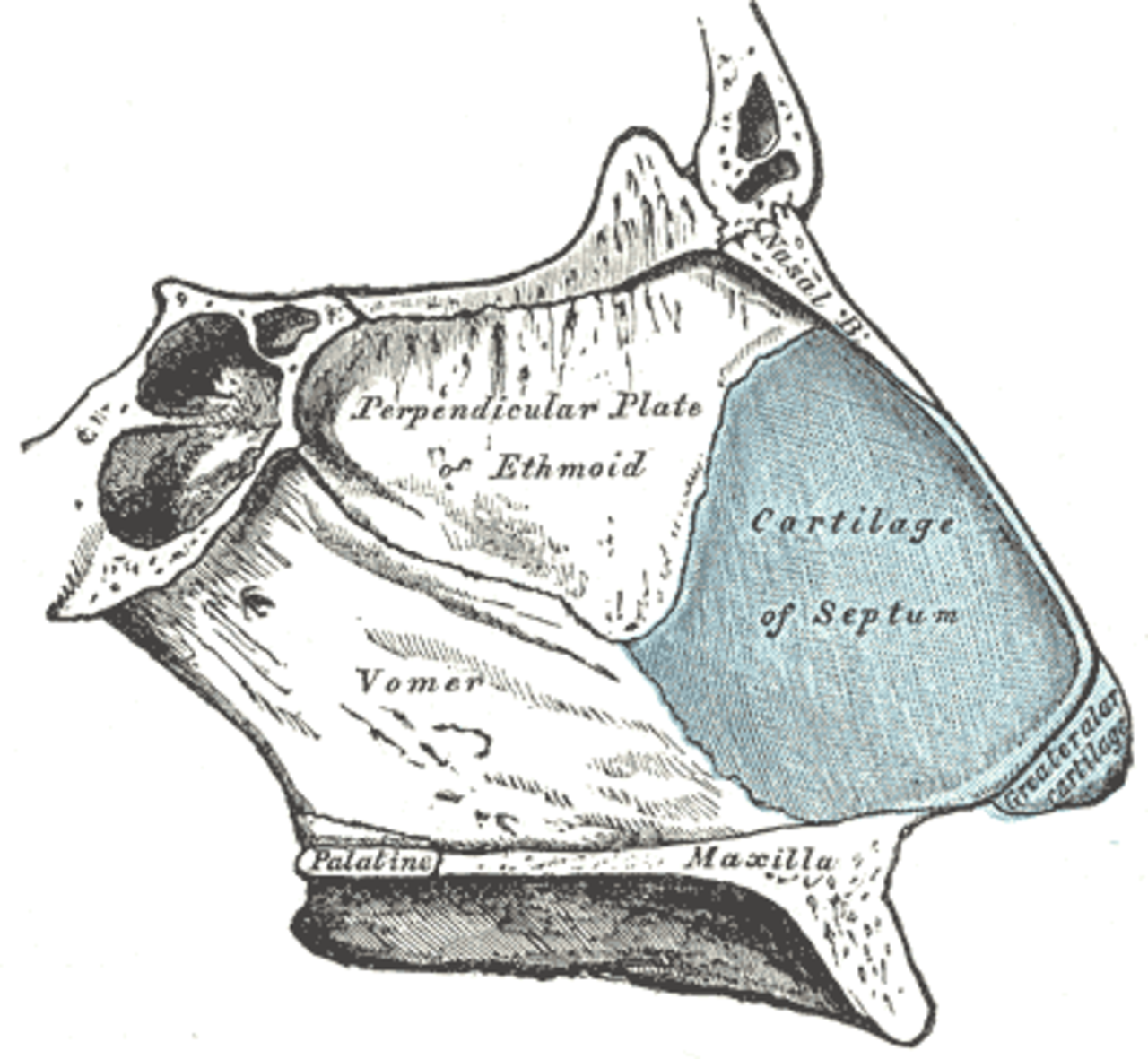
Kiesselbach's plexus
Anatomical Architecture of Kiesselbach's Plexus
Kiesselbach's plexus, also known as the vascular kisselbachi or Kiesselbach's area, represents a critical vascular watershed within the nasal cavity. Anatomically, it is an intricate anastomotic network formed by the convergence of several key arterial branches supplying the anterior nasal septum. Specifically, it is typically comprised of contributions from the anterior ethmoidal artery (a branch of the ophthalmic artery), the greater palatine artery (a branch of the maxillary artery), the sphenopalatine artery (also a branch of the maxillary artery), and the superior labial artery (a branch of the facial artery).
This confluence of vessels occurs in a well-defined region on the anteroinferior quadrant of the nasal septum, a zone often referred to as Little's area or Kiesselbach's triangle. The rich vascularity and the relatively thin submucosa in this region contribute to its unique physiological and pathological characteristics. The plexus's strategic location ensures adequate perfusion to the anterior nasal mucosa, vital for its functions in olfaction, respiration, and immune defense.
The Predilection for Epistaxis
The clinical notoriety of Kiesselbach's plexus stems primarily from its status as the most frequent origin of anterior epistaxis, accounting for an estimated 80-90% of all nosebleeds. This predilection is multifactorial, rooted in the plexus's anatomical features. The arterial branches forming the plexus are relatively superficial, lying just beneath a thin and often dry mucosal lining.
This proximity to the external environment makes the vessels highly susceptible to trauma, such as digital manipulation (nose picking), forceful nose blowing, or direct impact. Furthermore, the venous drainage in this area is less robust compared to posterior nasal regions, potentially leading to more pronounced bleeding when a vessel is compromised. Environmental factors like low humidity, which dries out the nasal mucosa, and irritants like smoke or allergens, can exacerbate mucosal fragility, increasing the likelihood of vascular rupture.
The constant exposure to airflow also contributes to drying and crusting, which can lead to excoriation and bleeding.
Physiological Roles Beyond Hemorrhage
While its association with epistaxis is prominent, Kiesselbach's plexus plays a fundamental physiological role in maintaining the health and function of the anterior nasal septum. The continuous blood flow delivered by this network is essential for the metabolic needs of the nasal epithelium. This includes providing oxygen and nutrients necessary for cellular respiration, tissue repair, and the maintenance of the mucosal barrier.
The vascular plexus also contributes to the conditioning of inhaled air, playing a role in warming and humidifying it before it enters the lower respiratory tract. The rich vascular supply is also integral to the local immune response within the nasal cavity, facilitating the delivery of immune cells and inflammatory mediators to combat pathogens. Therefore, the plexus is not merely a potential source of bleeding but a vital component of nasal homeostasis and defense.
Clinical Management and Therapeutic Implications
The understanding of Kiesselbach's plexus's anatomy and its role in epistaxis has profound implications for clinical management. For recurrent or severe nosebleeds originating from this area, treatment strategies often focus on direct intervention within Little's area. These may include topical vasoconstrictors, cauterization (chemical or electrical), nasal packing, or, in more persistent cases, surgical ligation or embolization of the contributing arteries.
Nasal saline sprays and humidifiers are often recommended to maintain mucosal hydration and prevent drying, thereby reducing the risk of trauma to the plexus. Awareness of this specific vascular network allows healthcare professionals to target interventions effectively, minimizing patient discomfort and optimizing outcomes for those suffering from recurrent epistaxis. The study of this plexus also informs research into novel hemostatic agents and minimally invasive techniques for managing nasal bleeding.
See also
Frequently Asked Questions
What is Kiesselbach's plexus?+
Why does it cause nosebleeds?+
How many nosebleeds come from this spot?+
What does Kiesselbach's plexus do for our nose?+
Where exactly is Kiesselbach's plexus located?+
Based on content from Wikipedia · Licensed under CC BY-SA 4.0