

Kale: The Super Leafy Green!
Images

Kale


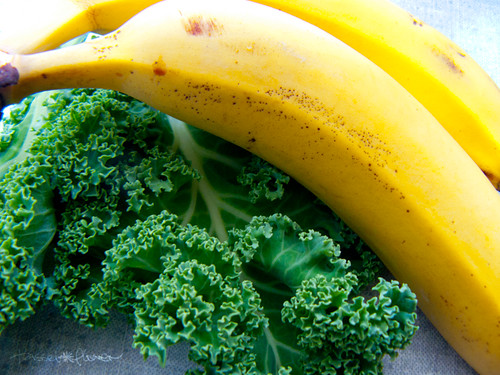


Botanical Lineage and Early Cultivation of Kale
Kale, scientifically classified as Brassica oleracea (Acephala Group), belongs to the Brassicaceae family, a group renowned for its diverse and nutritious members like broccoli, cauliflower, and cabbage. The 'Acephala' group signifies 'without a head,' distinguishing kale from its more compact relatives. Its origins trace back to wild cabbage (Brassica oleracea var. sylvestris), native to the coastal regions of Europe, particularly the Mediterranean and western Europe.
Archaeological evidence suggests cultivation began over 2,000 years ago, with ancient Greeks and Romans consuming it. Its hardiness, ability to thrive in cooler climates, and tolerance for poor soil conditions made it an invaluable food source for early agricultural societies. Unlike heading cabbages, kale's leaves grow outwards from a central stalk, a trait that has remained consistent throughout its cultivation history, allowing for continuous harvesting over an extended period.
The Evolution of Kale Varieties
The vast array of kale varieties seen today is a product of centuries of human selection and agricultural innovation. Early cultivation focused on traits like leaf texture, color, and yield. Over time, distinct types emerged, adapted to different regional climates and culinary preferences. 'Scotch kale' or 'curly kale' is perhaps the most globally recognized, characterized by its deeply frilled leaves and robust texture, making it suitable for cooking and processing. 'Lacinato kale,' also known as 'dinosaur kale' or 'Tuscan kale,' developed in Italy, features dark, bumpy, elongated leaves and a slightly sweeter, more tender profile. 'Red Russian kale' and 'Siberian kale' are known for their flatter, more delicate leaves and purplish hues, often favored for raw consumption due to their milder flavor and softer texture, especially after frost.
This diversification highlights kale's adaptability and the ongoing human role in shaping its agricultural landscape.
Kale's Nutritional Profile
Kale's reputation as a 'superfood' is well-earned due to its exceptionally dense nutritional profile. It is an outstanding source of Vitamins A (in the form of beta-carotene), C, and K. Vitamin K is particularly abundant and plays a critical role in blood coagulation and bone metabolism. Vitamin C acts as a potent antioxidant, supporting immune function and collagen synthesis, while Vitamin A is vital for vision and cell growth.
Beyond vitamins, kale is rich in minerals such as calcium, potassium, and manganese, contributing to bone health, blood pressure regulation, and metabolic processes. Furthermore, it contains beneficial phytonutrients, including glucosinolates, which are precursors to isothiocyanates known for their potential anti-cancer properties, and various flavonoids like quercetin and kaempferol, which possess anti-inflammatory and antioxidant effects. This comprehensive nutrient package makes kale a cornerstone of healthy diets worldwide.
Culinary Applications and Modern Relevance of Kale
Kale's culinary versatility is a key factor in its enduring popularity. Its sturdy leaves can withstand various cooking methods, from wilting when sautéed or steamed to becoming delightfully crisp when baked into kale chips. Raw kale, while sometimes perceived as tough, can be tenderized through 'massaging' with oil and acid, making it suitable for salads.
It integrates seamlessly into soups, stews, smoothies, and grain bowls, adding both texture and nutritional value. In contemporary cuisine, kale has experienced a resurgence, driven by increased awareness of its health benefits and its adaptability in modern dishes. It has become a staple in health-conscious eating, vegan and vegetarian diets, and farm-to-table movements, solidifying its status not just as an ancient vegetable but as a relevant and celebrated ingredient in the 21st century.
See also
Frequently Asked Questions
What makes kale a superfood?+
How did people start growing kale?+
What are some different kinds of kale and how do they look?+
Can kale be eaten raw or cooked?+
What vitamins and minerals does kale have that help our bodies?+
Based on content from Wikipedia · Licensed under CC BY-SA 4.0