

Julius Caesar (play)
Images

Julius Caesar (play) in The Doon School
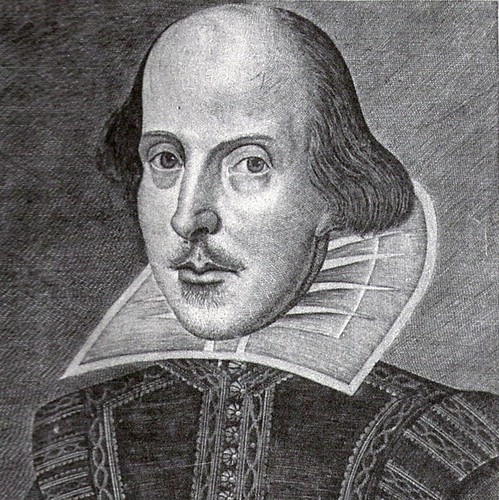
![Mr. William Shakespeares Comedies, Histories & Tragedies [Title page]](https://live.staticflickr.com/1267/4604377899_bf43b22ab0_n.jpg)



The Ides of March and the Seeds of Discord
William Shakespeare's 'The Tragedy of Julius Caesar,' first performed around 1599, is a masterful exploration of political intrigue, ambition, and the chaotic aftermath of assassination. The play dramatizes the events leading up to and following the murder of the Roman dictator Julius Caesar. Shakespeare meticulously crafts a narrative where Caesar's immense popularity and perceived monarchical ambitions ignite a conspiracy among a faction of Roman senators, led by the ideologically driven Cassius and the conflicted Brutus.
They fear Caesar's consolidation of power threatens the Roman Republic, a system they cherish. The play doesn't shy away from the moral ambiguities of their actions, presenting a complex web of motivations ranging from genuine civic concern to personal envy and political opportunism. The assassination itself is a pivotal, brutal moment, but it serves as the catalyst for a far more devastating civil war, demonstrating that the removal of a single figure can unleash widespread instability.
Literary Lineage and Theatrical Innovation
Shakespeare's dramatic retelling draws heavily, though not exclusively, from Sir Thomas North's 1579 English translation of Plutarch's 'Parallel Lives.' This historical source provided the foundational narrative of Caesar's life, his assassination, and the subsequent rise of Mark Antony and Octavius. However, Shakespeare transcends mere historical chronicle by imbuing the characters with profound psychological depth and dramatic tension.
He masterfully adapts the source material, focusing on the internal struggles of key figures, particularly Brutus, whose moral and political quandaries often lead critics to identify him as the play's central tragic protagonist. The play's premiere at the Globe Theatre, a revolutionary architectural space that fostered a direct connection between actors and audience, further cemented its status as a landmark work in English theatre, contributing to its enduring legacy as one of Shakespeare's most frequently staged tragedies.
The Anatomy of Power
Beyond its historical setting, 'Julius Caesar' resonates due to its profound thematic explorations. A central tension lies in the conflict between personal loyalty and public duty, most acutely embodied by Brutus. His agonizing decision to join the conspiracy against his friend Caesar, whom he loves, forces audiences to confront the difficult choices leaders must sometimes make.
Furthermore, the play is a powerful study in the art of rhetoric and its influence on political discourse. The funeral orations delivered by Brutus and Mark Antony are masterclasses in persuasion, showcasing how language can be manipulated to shape public opinion and incite action. Brutus's logical, albeit flawed, appeal to reason contrasts sharply with Antony's emotionally charged, masterful manipulation of the crowd, highlighting the potent force of demagoguery and the fragility of a populace swayed by powerful oratory.
The play critically examines the corrupting nature of unchecked ambition and the precariousness of republican governance when faced with charismatic strongmen.
Enduring Relevance
The enduring power of 'Julius Caesar' lies in its uncanny ability to reflect contemporary political anxieties. Its themes of political assassination, the rise of authoritarian figures, the manipulation of public opinion through rhetoric, and the struggle to maintain democratic institutions are perpetually relevant. From Elizabethan concerns about royal succession to modern debates surrounding dictatorship and democracy, the play offers a timeless lens through which to examine the dynamics of power.
It continues to be adapted and reinterpreted across diverse cultural and political contexts, serving as a cautionary tale about the dangers of unchecked ambition and the vital importance of civic virtue and vigilance in safeguarding republican ideals. The play's exploration of character, persuasion, and political morality ensures its continued influence on literature, theatre, and political thought.
The Legacy of a Roman Tragedy
The 'Tragedy of Julius Caesar' is more than just a historical play; it is a profound commentary on the human condition and the perennial challenges of governance. Its intricate character studies, particularly the moral complexities of Brutus, and its dramatic portrayal of political upheaval have captivated audiences for centuries. The play's exploration of how noble intentions can lead to catastrophic outcomes, and how charismatic leaders can both inspire and threaten societal stability, remains a potent subject of study and debate.
Its influence can be seen in countless subsequent works of literature and political analysis, solidifying its place as a cornerstone of Western dramatic tradition and a vital text for understanding the enduring struggles between power, principle, and the fate of nations.
See also
Frequently Asked Questions
What is Shakespeare's play "Julius Caesar" about?+
Why did the senators want to kill Julius Caesar?+
Who are the main conspirators in the play?+
How does the play show the power of speech?+
When was the play first performed?+
Based on content from Wikipedia · Licensed under CC BY-SA 4.0