

Juicer
Images

Sugar Cane Juicer, Zanzibar


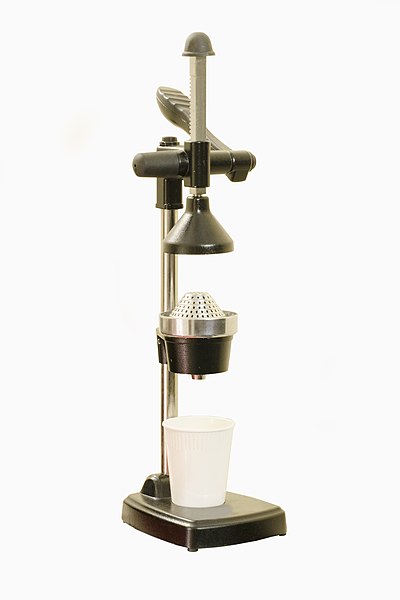


The Evolution of Extraction
The human desire to consume the liquid essence of fruits and vegetables predates modern machinery, with early civilizations likely employing rudimentary methods like crushing and straining. The formal development of the juicer as a distinct appliance is a more recent phenomenon, driven by advancements in mechanical engineering and a growing understanding of nutrition. Early mechanical juicers, often hand-cranked, focused on improving the efficiency of pressing and squeezing.
The advent of electricity in the 20th century revolutionized the field, leading to the development of centrifugal juicers, characterized by high-speed spinning blades and a sieve. This was followed by the innovation of masticating juicers, which employ a slow, grinding action to mimic chewing, offering a different approach to extraction. Each stage of development has been marked by a pursuit of greater juice yield, improved nutrient retention, and enhanced user convenience, reflecting a continuous refinement of the core principle of separating liquid from solid plant matter.
Mechanical Principles
Juicers operate on distinct mechanical principles, primarily categorized as centrifugal or masticating (slow) juicers. Centrifugal juicers utilize a high-speed motor to spin a cutting disc against a sieve. Produce is fed into the chute, shredded by the disc, and then flung outwards by centrifugal force through the sieve, separating juice from pulp. While fast and efficient, the high speed can introduce heat and oxygen, potentially leading to oxidation and a slight degradation of certain heat-sensitive nutrients.
Masticating juicers, conversely, employ a slow-turning auger (a screw-like mechanism) to crush and press produce against a screen. This slower, more deliberate process generates less heat and oxidation, often resulting in a higher juice yield and better preservation of enzymes and vitamins. The choice between these types often depends on user priorities regarding speed, nutrient preservation, and the types of produce being juiced.
Beyond Beverages
While the primary purpose of a juicer is evident, many contemporary models, particularly horizontal masticating juicers, have transcended their basic function to become highly versatile kitchen tools. Through the use of interchangeable attachments, these machines can perform a surprising array of culinary tasks. They can be configured to extrude various forms of pasta and noodles, grind coffee beans for fresh brews, process nuts into smooth butters, create plant-based milks, and even prepare pureed baby food.
This adaptability transforms the juicer from a single-purpose appliance into a central component of a health-conscious kitchen, capable of supporting a wide range of food preparation needs and promoting a more holistic approach to home cooking and nutrition.
Nutritional Significance and Culinary Integration
The enduring appeal of juicers lies in their ability to provide a concentrated source of bioavailable nutrients. Juicing breaks down the cellular walls of fruits and vegetables, making vitamins, minerals, and phytonutrients more readily absorbable by the body. This is particularly beneficial for individuals with digestive challenges or those seeking to rapidly increase their nutrient intake. Juicing facilitates the consumption of a wider variety and larger quantities of produce than might be feasible through whole food consumption alone.
Integrating fresh juices into a balanced diet can contribute to overall well-being, offering a convenient and palatable method for boosting antioxidant intake and supporting bodily functions. The practice highlights a modern approach to dietary supplementation through whole, unprocessed foods.
The Future of Juicing
The juicer market continues to evolve, with ongoing innovations focusing on enhancing efficiency, user experience, and sustainability. Future developments may include smarter juicers with integrated nutrient analysis, improved energy efficiency, and materials that further minimize oxidation. There is also a growing interest in closed-loop systems where the pulp byproduct can be effectively repurposed, perhaps through advanced composting technologies or integration into other food products, thereby reducing waste.
As consumer awareness of health and environmental impact grows, juicers are likely to become even more sophisticated, aligning with broader trends towards sustainable living and personalized nutrition.
See also
Frequently Asked Questions
What is a juicer and how does it work?+
Why do some juicers make more juice than others?+
Can a juicer do more than just make juice?+
How does juicing help my body?+
What is the difference between a centrifugal and a masticating juicer?+
Based on content from Wikipedia · Licensed under CC BY-SA 4.0