

Joseph Lister: The Germ Buster Doctor!
Images
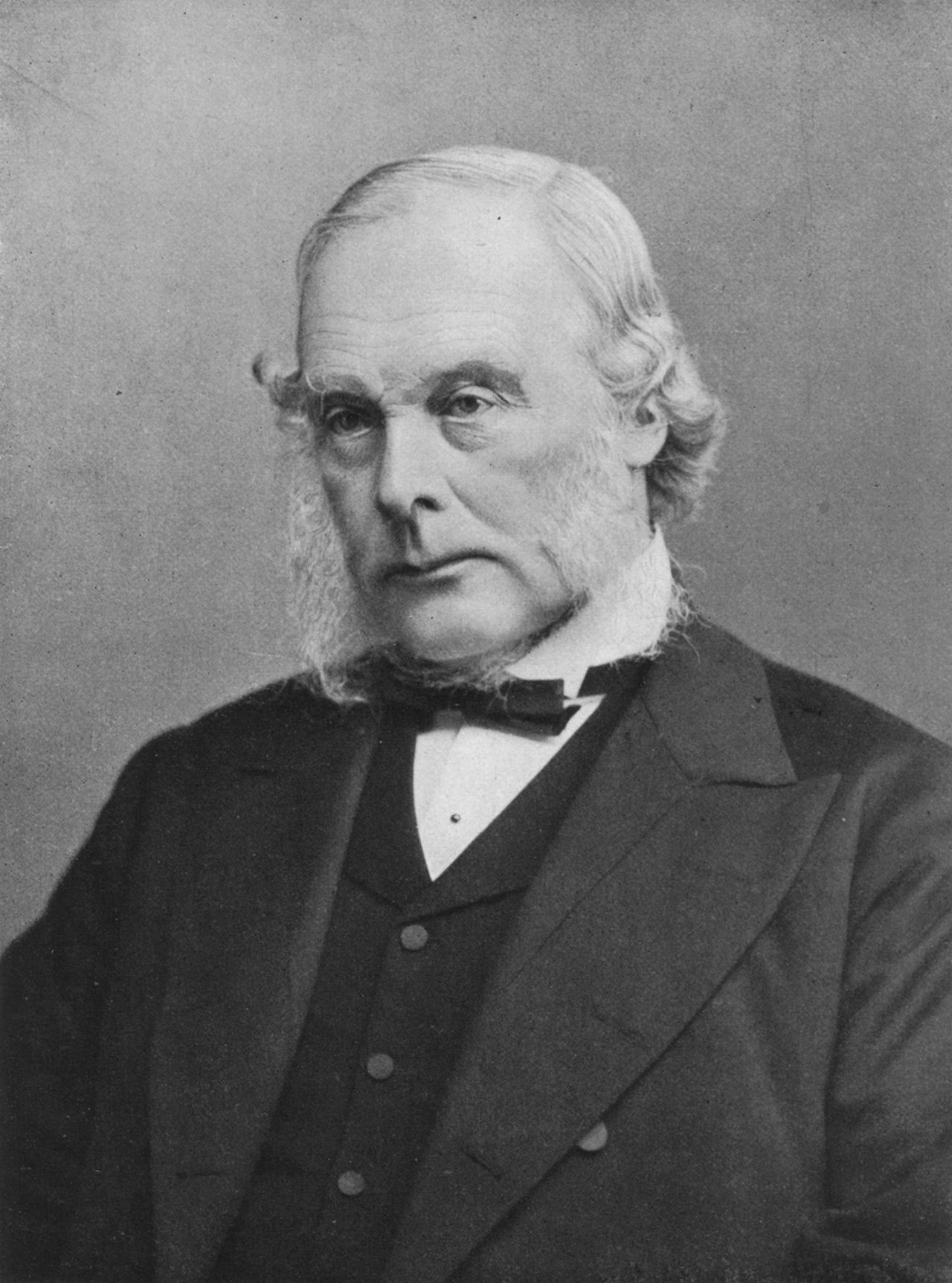
Joseph Lister
The Perilous Landscape of 19th-Century Surgery
Before Joseph Lister's groundbreaking work, the operating theatre was a place of immense dread. Surgical procedures, even relatively minor ones, were fraught with peril, not primarily from the surgeon's skill, but from the inevitable and often fatal infections that followed. Post-operative mortality rates were alarmingly high, a grim reality that surgeons accepted as an unfortunate but unavoidable consequence of their craft.
The prevailing medical understanding lacked a clear grasp of the microbial world's role in disease. It was within this challenging environment that Joseph Lister, born in 1827, began his career, driven by a keen observational ability and a deep desire to mitigate the suffering of his patients. While not lauded for exceptional surgical dexterity, his true genius lay in his scientific inquiry and his willingness to challenge established norms.
Pasteur's Discovery with Surgical Practice
Lister's pivotal insight stemmed directly from Louis Pasteur's revolutionary germ theory, which posited that microscopic organisms were responsible for putrefaction and disease. Lister hypothesized that these same invisible agents were the culprits behind surgical wound infections. This was a radical departure from the prevailing miasma theory, which attributed illness to 'bad air.' To test his hypothesis, Lister sought a substance that could effectively eliminate these microbial threats.
He identified carbolic acid (phenol) as a potent agent, noting its use in sewage treatment to prevent disease. This marked the genesis of his antiseptic surgical technique, a deliberate and systematic effort to control the microbial environment of the operating room and the surgical site.
The Implementation and Impact of Antiseptic Principles
Lister's implementation of antiseptic principles was comprehensive and rigorous. He meticulously applied carbolic acid in various forms: as a spray to disinfect the air, to sterilize surgical instruments, to cleanse the surgeon's hands, and to dress wounds directly. This multi-faceted approach aimed to create a germ-free zone around the patient.
The results were nothing short of transformative. Surgical outcomes improved dramatically, with a significant reduction in gangrene, erysipelas, and other deadly infections. Lister's work was not immediately embraced by all; some surgeons were skeptical or found the process cumbersome.
However, the undeniable evidence of reduced mortality and morbidity gradually led to the widespread adoption of his methods, fundamentally altering the practice of surgery worldwide and earning him the prestigious title 'father of modern surgery'.
Beyond Antiseptics
Joseph Lister's legacy extends far beyond his introduction of carbolic acid. His meticulous research into the inflammatory process and tissue perfusion provided crucial insights into wound healing. He also advanced diagnostic capabilities by advocating for the microscopic examination of tissue specimens, a practice that became fundamental to pathology.
Furthermore, Lister systematically analyzed surgical outcomes, developing strategies to enhance patient survival rates. His holistic approach to surgical care, encompassing prevention, diagnosis, and treatment, laid the groundwork for many modern medical advancements. The principles of sterile technique, which evolved from Lister's antiseptic methods, remain paramount in healthcare today, safeguarding countless lives and underscoring his status as a pivotal figure in medical history.
Go deeper
Frequently Asked Questions
What did Joseph Lister do to make surgery safer?+
Why was Joseph Lister's work important before his time?+
How did Lister choose the substance he used?+
What did Lister do with his antiseptic technique?+
What is one way Lister helped doctors learn more about healing?+
Based on content from Wikipedia · Licensed under CC BY-SA 4.0