

John Wayne
Images
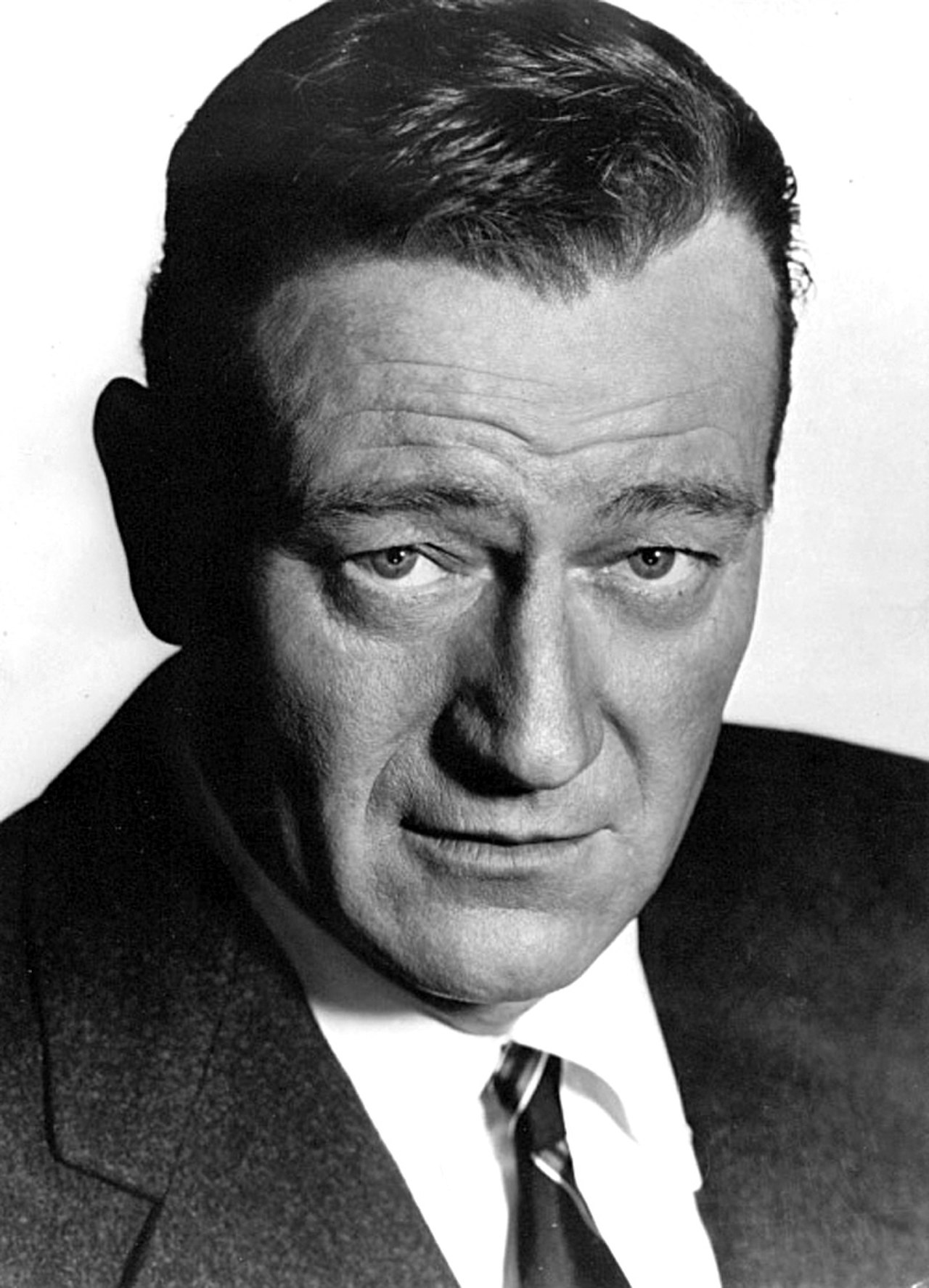
John Wayne
From Football Field to Film Sets
Marion Robert Morrison, born May 26, 1907, in Winterset, Iowa, would become one of Hollywood's most recognizable figures, known universally as John Wayne. His early life in Southern California saw him excel as a football player, earning a scholarship to the University of Southern California. However, a bodysurfing accident tragically ended his athletic career, redirecting his path toward the burgeoning film industry.
He began his career at Fox Film Corporation, initially in minor roles. His first leading role was in Raoul Walsh's ambitious 1930 widescreen Western, 'The Big Trail.' Despite its critical and commercial failure, the film served as a crucial stepping stone, allowing Wayne to hone his craft in numerous B-movie Westerns throughout the 1930s, gradually building a dedicated following before his breakout performance.
The 'Duke' Ascends
The pivotal moment that transformed John Wayne from a recognizable Western actor into a bona fide movie star was John Ford's 1939 masterpiece, 'Stagecoach.' This film garnered critical acclaim and commercial success, cementing Wayne's status and establishing a legendary collaboration with director John Ford. Following 'Stagecoach,' Wayne starred in an astonishing 142 motion pictures, becoming a consistent box-office draw for three decades. His persona, often characterized by stoicism, courage, and a deep connection to the American frontier, resonated profoundly with audiences.
Biographer Ronald Davis noted that Wayne 'personified for millions the nation's frontier heritage,' making him more than just an actor but a cultural symbol.
A Diverse Filmography
While Wayne is inextricably linked to the Western genre, his filmography demonstrates remarkable breadth. He delivered memorable performances as a cattleman in 'Red River' (1948), a determined veteran in the iconic 'The Searchers' (1956), and a conflicted rancher in 'The Man Who Shot Liberty Valance' (1962). His portrayal of Rooster Cogburn, a cantankerous one-eyed marshal in 'True Grit' (1969), earned him the Academy Award for Best Actor, showcasing his dramatic range.
Beyond Westerns, he starred in acclaimed films like the Irish romance 'The Quiet Man' (1952) and the epic war film 'The Longest Day' (1962). His final screen appearance in 'The Shootist' (1976) saw him playing an aging gunfighter confronting his own mortality, a poignant end to a prolific career.
Legacy and Lasting Impact
John Wayne's influence transcended his acting career. He remained a dominant force in Hollywood from the 1940s through the 1970s, consistently ranking among the top box-office draws. His image became synonymous with American masculinity and the spirit of the West.
In recognition of his monumental contributions to cinema, the American Film Institute named him the 13th greatest male screen legend of classic American cinema in 1999. Wayne made his final public appearance at the Academy Awards ceremony on April 9, 1979. He passed away from stomach cancer on June 11, 1979.
In 1980, he was posthumously honored with the Presidential Medal of Freedom, the United States' highest civilian award, underscoring his enduring significance in American culture and history.
Go deeper
Frequently Asked Questions
What was John Wayne's real name?+
How did John Wayne start his acting career?+
Why is the movie Stagecoach important for John Wayne?+
Which famous character did John Wayne play that won him an Oscar?+
When did John Wayne die and what award did he receive after his death?+
Based on content from Wikipedia · Licensed under CC BY-SA 4.0