

John Hurt
Images

File:Cynthia Nixon John Hurt Swoosie Kurtz 2009 Tribeca.jpg


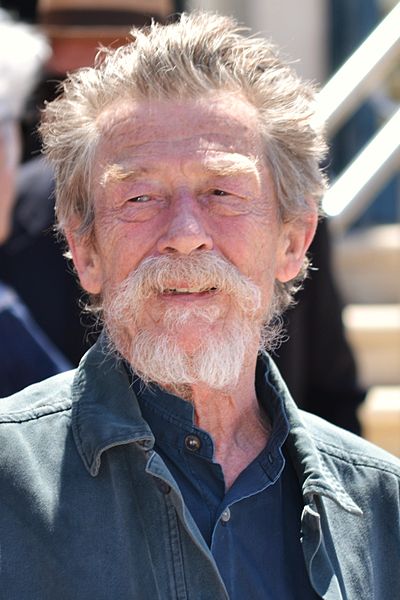


The Genesis of a Thespian Icon
Sir John Hurt’s journey into the heart of acting began with formal training at the prestigious Royal Academy of Dramatic Art (RADA), a crucible for many of Britain's finest performers. His early career saw him gain traction with roles like Richard Rich in Fred Zinnemann's 'A Man for All Seasons' (1966), a performance that hinted at his potential for gravitas. However, it was his portrayal of Quentin Crisp in 'The Naked Civil Servant' (1975) that truly catapulted him into the spotlight, earning him critical acclaim and a BAFTA Award for Best Actor.
This role, and subsequent turns as the decadent Emperor Caligula in the BBC's epic 'I, Claudius' (1976), demonstrated Hurt's remarkable ability to inhabit characters with both vulnerability and a compelling, often unsettling, intensity. These early successes laid the groundwork for a career defined by fearless exploration of the human condition, often through characters who existed on the fringes of society or faced extraordinary circumstances.
The Unmistakable Instrument
John Hurt possessed what was widely regarded as 'the most distinctive voice in Britain,' a vocal instrument capable of conveying immense pathos, chilling menace, or profound wisdom. This unique timbre, coupled with his unparalleled ability to convey complex inner lives, made him a director's dream. His Oscar-nominated performances in 'Midnight Express' (1978) as a drug smuggler facing brutal imprisonment and 'The Elephant Man' (1980) as the tragically disfigured John Merrick, are masterclasses in understated yet devastating emotional power.
In 'Midnight Express,' his portrayal of suffering and resilience was so raw it earned him a Best Supporting Actor nomination, while his sensitive depiction of Merrick in 'The Elephant Man' garnered a Best Actor nomination, showcasing his capacity for profound empathy and transforming him into a household name. These roles cemented his reputation for tackling challenging narratives with remarkable authenticity.
A Cinematic Chameleon
Hurt’s career trajectory is a testament to his extraordinary versatility, seamlessly navigating diverse cinematic landscapes. He became an indelible part of science fiction horror with his iconic, albeit brief, role as Kane in Ridley Scott's 'Alien' (1979), a performance that remains one of cinema's most memorable and visceral moments. His ability to adapt extended to blockbuster franchises, where he brought gravitas to roles such as Mr.
Ollivander, the wise and slightly eccentric wandmaker, in the globally popular 'Harry Potter' series (2001–2011). He also contributed significantly to the 'Hellboy' films, played a pivotal, darker incarnation of the Doctor in 'Doctor Who' as the War Doctor, and lent his distinctive voice to numerous animated features and acclaimed documentaries like 'Human Planet.' This genre fluidity, from gritty dramas to fantastical epics, highlights his enduring appeal and broad artistic reach across more than five decades in film and television.
The Enduring Significance of a Thespian Titan
Sir John Hurt’s legacy transcends his impressive filmography and numerous accolades, including four BAFTAs and a Golden Globe. He was revered by peers and critics alike, with David Lynch famously declaring him 'simply the greatest actor in the world.' His knighthood in 2015 was a national recognition of his profound contribution to drama and the arts. Hurt’s significance lies not just in the characters he portrayed, but in the depth of humanity he brought to each role, often exploring themes of suffering, resilience, and the search for identity.
He possessed a rare ability to make even the most monstrous or marginalized characters relatable, forcing audiences to confront uncomfortable truths about society and themselves. His influence continues to resonate, inspiring actors to embrace complex roles and reminding us of the power of authentic storytelling.
See also
Frequently Asked Questions
Who was John Hurt?+
What was his most famous role?+
Did he act in science‑fiction movies?+
Did he win any awards?+
Was he ever knighted?+
Based on content from Wikipedia · Licensed under CC BY-SA 4.0