

Ivory
Images
Ivory
The Biological Foundation of Ivory
Ivory is fundamentally a specialized form of dentin, a calcified connective tissue that constitutes the main body of teeth and tusks in mammals. Its unique properties stem from its composition, which includes a high percentage of mineral (hydroxyapatite) embedded within an organic matrix primarily of collagen fibers. This structure provides ivory with its characteristic hardness, density, and fine grain, making it exceptionally suitable for detailed carving and scrimshaw.
The microscopic arrangement of dentinal tubules, which are channels containing cytoplasmic extensions of odontoblasts (dentin-forming cells), contributes to ivory's distinct cross-hatched pattern when viewed under magnification, often referred to as 'Schreger lines.' While the chemical composition is consistent across species, the size and density of tusks or teeth dictate their commercial viability as ivory.
A Material Woven Through Human History
The utilization of ivory dates back to the earliest human civilizations, with significant evidence found in the Indus Valley Civilization (circa 2600-1900 BCE). Archaeological sites reveal a sophisticated ivory-craft industry, producing a wide array of functional and decorative items, including kohl sticks, combs, game pieces, and personal ornaments. This suggests ivory was not merely a luxury good but an integral part of daily life and trade networks.
Its durability, aesthetic appeal, and workability made it a highly sought-after commodity throughout antiquity and into the medieval and modern periods. The trade routes that carried ivory often facilitated broader cultural exchange, embedding ivory deeply within the economic and artistic fabric of societies across continents.
Diverse Zoological Sources and Their Significance
While elephant ivory, particularly from the African elephant (Loxodonta africana) and Asian elephant (Elephas maximus), is the most commercially significant, a variety of other mammalian species have historically contributed to the global ivory supply. Mammoth ivory (Mammuthus primigenius), preserved in permafrost, has been a valuable source since prehistoric times. Marine mammals like the walrus (Odobenus rosmarus), sperm whale (Physeter macrocephalus), orca (Orcinus orca), and narwhal (Monodon monoceros) possess tusks or teeth that have been utilized.
Terrestrial animals such as the hippopotamus (Hippopotamus amphibius) and warthog (Phacochoerus africanus) also provide ivory. Even the elk (Cervus canadensis) possesses vestigial 'ivory' teeth, remnants of ancestral tusks. Each source has unique characteristics in terms of color, grain, and hardness, influencing its suitability for different applications.
Artistic Applications and Industrial Uses
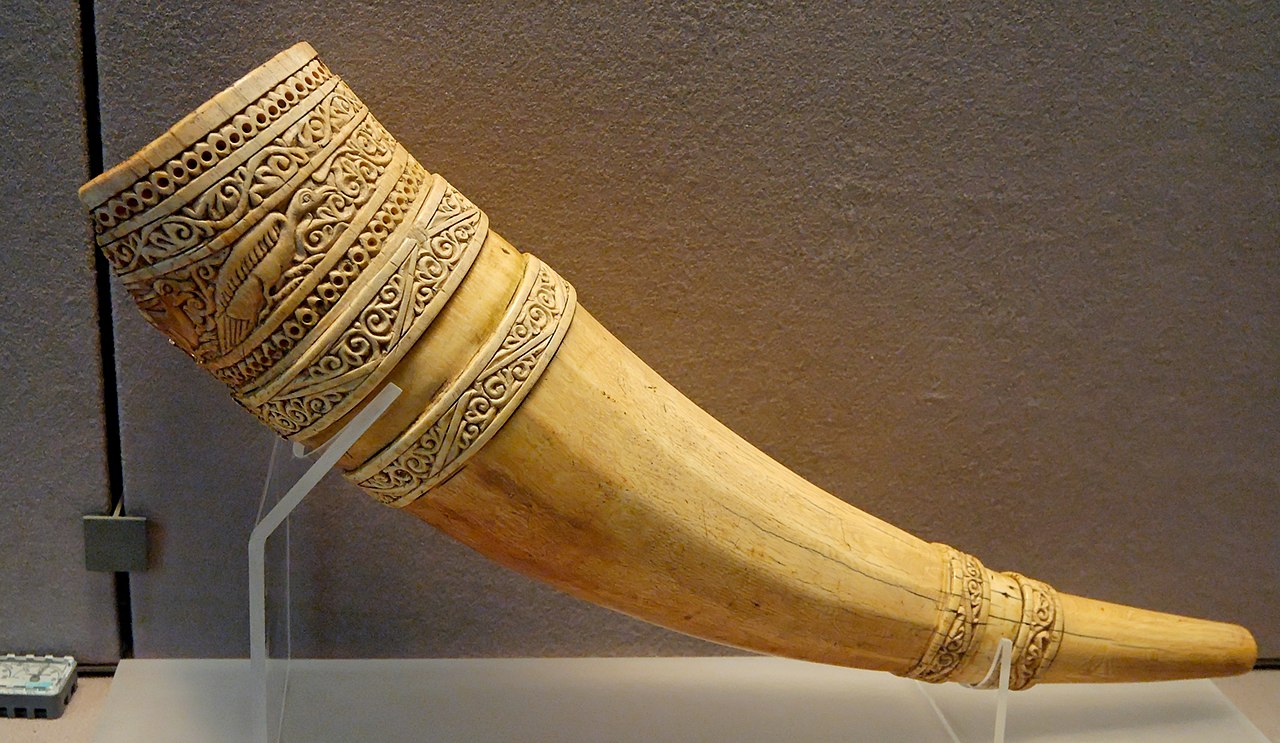
Ivory's unique properties have made it a favored medium for artistic expression and practical applications for millennia. Its fine grain and relative softness allow for intricate carving, yielding detailed sculptures, religious artifacts, and decorative inlay work that adorns furniture, musical instruments, and personal items. Historically, ivory was also employed in functional objects where durability and aesthetics were paramount.
Notable examples include the keys of pianos and organs, fans used for personal cooling and adornment, and gaming pieces for sets like chess and dominoes. In the past, it was even used for crafting artificial teeth due to its biocompatibility and appearance, though this practice has largely been superseded by modern dental materials.
The Ethical Quagmire and Conservation Imperative
The immense value placed on ivory, particularly elephant ivory, has led to severe poaching and illegal trade, pushing many elephant populations towards endangerment. This has resulted in significant international conservation efforts and legal frameworks, such as the Convention on International Trade in Endangered Species of Wild Fauna and Flora (CITES), which heavily restricts or prohibits the trade of ivory from threatened species. The ethical debate surrounding ivory continues, balancing historical cultural uses against the urgent need for wildlife protection.
The development of synthetic ivory and the use of alternative materials like tagua nuts represent attempts to satisfy demand without further endangering wildlife. Understanding the complex interplay between human desire, economic factors, and ecological impact is crucial for addressing the future of ivory.
Go deeper
Frequently Asked Questions
What is ivory made of?+
Why do people carve things out of ivory?+
Which animals give us ivory?+
When did people start using ivory?+
What are Schreger lines?+
Based on content from Wikipedia · Licensed under CC BY-SA 4.0