

Istanbul University
Images
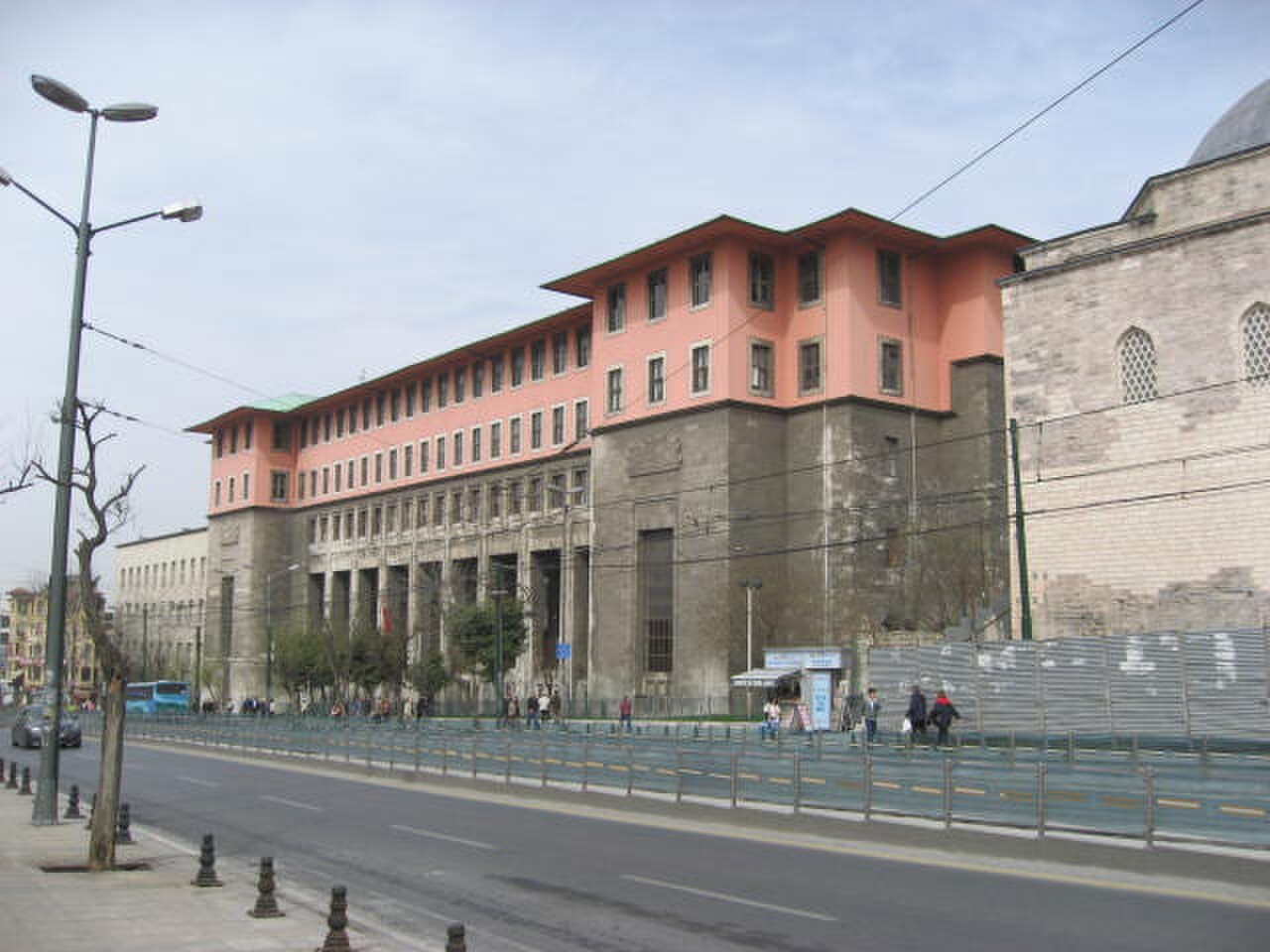
Istanbul University Edebiyat Fakultesi March 2008


Foundations of an Enduring Institution
Istanbul University stands as a testament to centuries of intellectual tradition, tracing its origins to the immediate aftermath of the Ottoman conquest of Constantinople in 1453. Established by Sultan Mehmed II, it was conceived as a premier center of learning, intended to integrate the burgeoning intellectual currents of the time, particularly those influenced by European academic methodologies. This foundational vision set it apart as the first higher education institution within the Ottoman Empire to embrace such progressive approaches.
The university underwent significant transformations throughout its history, culminating in its comprehensive reform in 1933. This pivotal restructuring modernized its curriculum and administration, solidifying its status as the first university in the Republic of Turkey. This dual legacy-rooted in imperial history and reborn in a modern republic-imbues Istanbul University with a unique historical gravitas, making it a crucial site for understanding the intellectual and cultural evolution of Turkey and the wider region.
Cultivating Global Leaders and Nobel Laureates
The impact of Istanbul University extends far beyond its academic walls, demonstrably shaping both national and international spheres. Its alumni roster reads like a who's who of influential figures, underscoring its role as a crucible for leadership and innovation. The presence of Nobel Prize winners, such as Aziz Sancar in Chemistry and Orhan Pamuk in Literature, highlights the university's capacity to foster world-class scientific discovery and literary artistry.
On the political front, the university has been instrumental in shaping Turkish governance, with six former Prime Ministers and a former President of Turkey among its graduates. Its influence also resonates globally, evidenced by prominent Israeli leaders, including former Presidents and Prime Ministers, who are also alumni. This diverse and distinguished cohort illustrates the university's profound and multifaceted contribution to intellectual progress, scientific advancement, and political leadership on a global scale.
A Sprawling Academic Ecosystem in a Historic City
In its contemporary form, Istanbul University operates as a vast public research institution, a testament to its scale and scope. It currently enrolls approximately 58,809 students across its undergraduate, graduate, and doctoral programs, creating a dynamic and diverse academic community. This extensive student body is accommodated within a network of nine distinct campuses, strategically located throughout the vibrant metropolis of Istanbul.
The main campus, adjacent to the historically significant Beyazıt Square in the Fatih district on the European side, serves as a central nexus for academic and administrative activities. The university's organizational structure is equally impressive, comprising 112 academic units. These include a wide array of faculties, specialized research institutes, and vocational schools, offering an expansive range of disciplines and fostering interdisciplinary collaboration.
This comprehensive infrastructure supports a rich educational environment dedicated to advancing knowledge and preparing students for impactful careers.
The Mechanics of Higher Learning
Istanbul University functions as a public research university, a model that emphasizes both rigorous academic instruction and the active pursuit of new knowledge. Students engage in a structured educational journey, progressing through undergraduate degrees, advanced master's programs, and doctoral research. The curriculum is designed to cultivate critical thinking, analytical skills, and specialized expertise across a broad spectrum of disciplines.
As a research institution, faculty and students are actively involved in scholarly inquiry, contributing to advancements in various fields through experimentation, theoretical development, and publication. The university's commitment to dissemination ensures that research findings are shared through academic journals, conferences, and public forums, thereby contributing to the global body of knowledge. This integrated approach to teaching and research positions Istanbul University as a vital contributor to intellectual progress and societal development, both within Turkey and internationally.
Go deeper
Frequently Asked Questions
What is Istanbul University and when was it founded?+
Why is Istanbul University special?+
How many students study at Istanbul University?+
Who are some famous people that went to Istanbul University?+
Where is the main campus of Istanbul University located?+
Based on content from Wikipedia · Licensed under CC BY-SA 4.0