

Inner City Adventures!
Images

Inner city #3


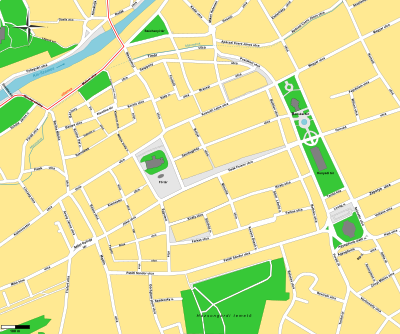


The Genesis and Geography of the Urban Core
The 'inner city' designates the central, often oldest, part of a metropolitan area. Geographically, it typically surrounds or encompasses the original settlement and the primary central business district (CBD). This proximity to the CBD has historically made inner cities hubs for commerce, transportation, and residential development.
As cities grew outwards, the term 'inner city' began to be associated with areas that, while geographically central, might exhibit signs of urban decay, lower socioeconomic status, or a higher concentration of minority populations, often in contrast to newer, more affluent suburban developments. Sociologists sometimes use the term to describe these specific residential districts rather than the commercial downtown itself, highlighting the complex spatial and social stratification within urban environments.
The built environment in inner cities is often a palimpsest, with layers of architectural styles reflecting different eras of development, from historic industrial buildings to mid-century apartment blocks and more recent urban renewal projects.
Historical Trajectories and Urban Stratification
The historical development of inner cities is intrinsically linked to patterns of migration, industrialization, and urban planning. Early industrial centers often grew rapidly, drawing large populations to their cores. As industries shifted and suburbs expanded, particularly post-World War II, many inner cities experienced disinvestment, leading to a decline in infrastructure and economic opportunities.
This period also saw significant demographic shifts, with middle-class populations often moving to the suburbs, sometimes leaving behind a concentration of lower-income residents and minority groups. This process, known as suburbanization and urban decay, has shaped the socioeconomic landscape of many inner cities. Understanding this history is crucial for comprehending the persistent challenges and unique strengths found in these urban cores today, including issues of housing affordability, access to resources, and social equity.
Cultural Melting Pots and Social Dynamics
Inner cities are often characterized by their remarkable cultural diversity, serving as arrival points and established communities for various ethnic, racial, and socioeconomic groups. This concentration of different backgrounds fosters a rich tapestry of traditions, languages, cuisines, and artistic expressions. These areas can become vibrant cultural hubs, driving innovation in music, art, and fashion.
However, this diversity can also be accompanied by social challenges, including disparities in income, education, and access to healthcare. The strong sense of community that often develops in inner cities can be a powerful force for resilience and social cohesion, with residents actively engaging in local initiatives to improve their neighborhoods and advocate for their needs. The complex interplay of cultural richness and socioeconomic challenges defines the social dynamics of the inner city.
Economic Realities and Urban Revitalization
Economically, inner cities present a complex picture. Historically, they were centers of manufacturing and trade. While many traditional industries have declined or relocated, inner cities often retain significant economic importance as hubs for services, retail, and increasingly, creative industries and technology startups.
They offer a concentrated labor pool and proximity to markets. However, inner cities frequently grapple with higher unemployment rates, lower wages, and a greater reliance on public assistance compared to more affluent areas. Urban revitalization efforts, including gentrification, aim to attract investment and improve infrastructure, but these can also lead to displacement of long-term residents and exacerbate existing inequalities.
The economic future of inner cities hinges on strategies that promote inclusive growth, create equitable opportunities, and address systemic disparities.
Governance, Policy, and the Future of Urban Cores
The governance of inner cities involves navigating complex policy landscapes aimed at addressing issues such as poverty, crime, housing shortages, and infrastructure deficits. Local governments, in conjunction with federal and state agencies, implement a range of programs, from urban renewal projects and affordable housing initiatives to public safety strategies and educational reforms. The effectiveness of these policies is often debated, with concerns about unintended consequences like gentrification and displacement.
Community activism and resident participation play a vital role in shaping urban policy and ensuring that development benefits existing populations. The ongoing evolution of inner cities reflects broader trends in globalization, technological change, and the persistent quest for social justice and equitable urban development.
See also
Frequently Asked Questions
What is an inner city?+
Why do inner cities sometimes have old buildings?+
How did inner cities change after World War II?+
Why are there many different cultures in inner cities?+
What can people do to help improve inner cities?+
Based on content from Wikipedia · Licensed under CC BY-SA 4.0