

Imperial Seal of Japan
Images

Istanbul Turkish and Islamic Museum Tuğra of Selim II 1569 in 2006 09 0897


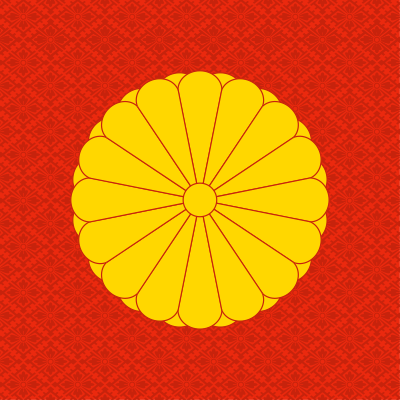


The Chrysanthemum Crest
The Imperial Seal of Japan, known as the Kiku no Gomon (菊の御紋), is a sophisticated emblem that has evolved over centuries. While the chrysanthemum flower has been a symbol of nobility and longevity in Japan for millennia, its adoption as the imperial crest is generally traced to the Kamakura period (1185–1333). Initially, various imperial family members might have used different chrysanthemum designs.
However, the 16-petal, double-bordered stylized chrysanthemum gradually became the definitive symbol of the Emperor and Empress. This specific design is not merely decorative; it signifies the Emperor's unique position as the head of the imperial family and, by extension, a symbol of the state's continuity. Its visual prominence has been carefully managed, distinguishing it from national symbols that represent the broader populace and government.
Symbolism and Cultural Resonance
The choice of the chrysanthemum is deeply rooted in Japanese culture. Revered for its beauty, symmetry, and association with autumn, it also carries connotations of longevity and nobility. In Japanese tradition, the chrysanthemum is often seen as a symbol of the sun, further linking it to the divine origins attributed to the imperial lineage.
The precise 16-petal design is a formalized representation, ensuring consistency and recognition. Unlike a national flag, which represents the entire nation and its people, the Kiku no Gomon is intrinsically tied to the person of the Emperor and Empress. It serves as a personal insignia, a visual representation of their sovereign status and their role as the living embodiment of the nation's history and traditions.
This personal connection imbues the seal with a profound sense of dignity and historical weight.
Restricted Application and Constitutional Context
In contemporary Japan, the use of the Imperial Seal is strictly regulated. It is not a public emblem available for general use. Its application is primarily confined to official documents and items directly associated with the Emperor and Empress.
This includes imperial edicts, official correspondence from the Imperial Household Agency, the passports of the Emperor and Empress, and certain ceremonial objects. The post-war Japanese Constitution defines the Emperor as 'the symbol of the State and of the unity of the People,' deriving his position from the will of the people with whom resides sovereign power. While the Imperial Seal is a potent symbol of the imperial institution, it operates within this constitutional framework, distinct from the national flag (Hinomaru) and the national emblem, which represent the state itself.
Distinguishing Imperial and National Symbols
It is crucial to differentiate the Imperial Seal from other Japanese national symbols. The Hinomaru (日の丸), a red disc on a white background, is the national flag, representing Japan as a sovereign state. The Kiri (桐) or Paulownia crest, a stylized paulownia flower, is also used by the government and has been historically associated with high ministerial offices.
The Imperial Seal, the Kiku no Gomon, remains exclusively the emblem of the Emperor and Empress. This careful distinction reinforces the Emperor's role as the head of the imperial family, separate from the governmental functions carried out by the elected Diet and Prime Minister. The enduring use of the Kiku no Gomon underscores the deep respect for tradition and the unique, symbolic position of the imperial institution within Japan's modern constitutional monarchy.
The Seal in Practice
Even in a modern, democratic society, the Imperial Seal continues to hold significant symbolic power. Its appearance on official documents lends them an air of gravitas and historical continuity. For instance, when the Emperor signs official documents or bestows honors, the seal is often present, signifying the imperial sanction.
It is also used on items related to imperial ceremonies and events, such as state banquets or visits. While its use is limited, its presence is a constant reminder of the ancient lineage and the symbolic role the Emperor plays in Japanese national identity. The seal serves as a tangible link to Japan's long and complex history, embodying the enduring spirit of the imperial institution.
See also
Frequently Asked Questions
What is the Imperial Seal of Japan?+
Why does the Imperial Seal have 16 petals?+
Who can use the Imperial Seal?+
How is the Imperial Seal different from the Japanese flag?+
When did the Imperial Seal start being used?+
Based on content from Wikipedia · Licensed under CC BY-SA 4.0