

Ignatius of Loyola
Images
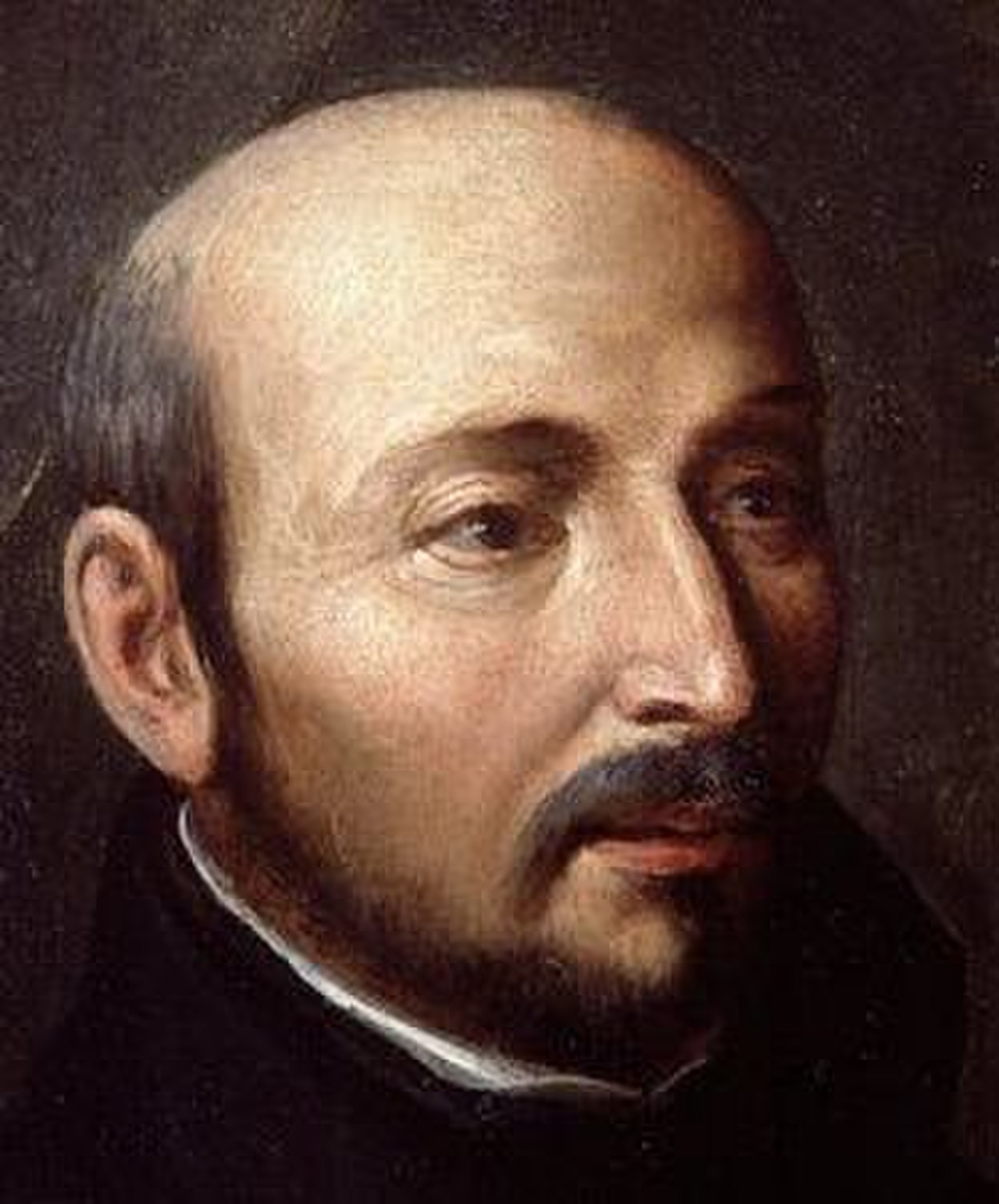
Ignatius of Loyola
From Courtly Knight to Battlefield Casualty
Born in 1491 into the minor nobility of the Basque Country, Iñigo López de Loyola (later Ignatius) was shaped by the ideals of courtly love and military valor prevalent in late medieval Spain. He served in the Spanish army, experiencing the rough camaraderie and the pursuit of honor. His life took a dramatic, unforeseen turn in 1521 during the defense of Pamplona, where a French cannonball inflicted a severe leg injury.
The prolonged convalescence that followed, marked by boredom and a lack of suitable reading material other than religious texts, proved to be the crucible for his spiritual transformation. Immersed in devotional literature, particularly the lives of Christ and the saints, Ignatius began to experience profound interior movements, contrasting the fleeting satisfaction of worldly pursuits with the enduring peace found in spiritual devotion. This period marked a decisive shift from seeking earthly glory to pursuing divine purpose, a transition that would redefine his life's trajectory and ultimately impact global religious and educational landscapes.
The arduous pilgrimage of learning and the birth of a new spiritual methodology
Following his recovery and spiritual awakening, Ignatius embarked on a radical new path, dedicating himself to the service of God. This involved an arduous journey of intellectual and spiritual formation, beginning with intense periods of prayer and asceticism, notably at Manresa. Here, he developed the foundational principles of his 'Spiritual Exercises,' a systematic method of prayer and meditation designed to help individuals discern God's will and align their lives with Christ's teachings.
This was not merely a set of devotional practices but a structured retreat intended to foster deep self-knowledge and a profound encounter with the divine. His subsequent pursuit of higher education at universities in Alcalá and Salamanca, and later Paris, was fraught with challenges. He faced suspicion from the Inquisition due to his unconventional spiritual teachings and often endured poverty, relying on the charity of others.
Yet, his unwavering commitment to learning and his charismatic ability to attract followers laid the groundwork for the community that would become the Society of Jesus.
Founding the Society of Jesus
In Paris, Ignatius gathered a core group of devoted companions, including Francis Xavier and Peter Faber, who shared his vision for a new form of religious life. In 1540, Pope Paul III officially approved the Society of Jesus. The Jesuits were conceived as an elite corps, 'soldiers of Christ,' characterized by absolute obedience to the Pope and a readiness to undertake any mission for the greater glory of God ('Ad Majorem Dei Gloriam').
Their mission extended beyond traditional monasticism, emphasizing intellectual rigor, extensive education, and dynamic missionary outreach. Ignatius meticulously crafted the order's constitution, outlining a hierarchical structure and a rigorous training program that integrated intellectual formation with deep spiritual discipline. The 'Spiritual Exercises' became the bedrock of Jesuit spirituality, shaping generations of priests and brothers who would go on to establish renowned educational institutions and engage in vital missionary work across continents, profoundly influencing the Counter-Reformation and beyond.
Enduring Impact
Ignatius of Loyola died on July 31, 1556, but his legacy continues to resonate powerfully. The Jesuit order, which he founded, has grown into one of the largest and most influential Catholic religious orders globally, celebrated for its commitment to academic excellence, social justice, and critical thinking. Jesuit universities, numbering in the hundreds worldwide, are centers of learning and innovation, fostering intellectual development and ethical leadership.
The 'Spiritual Exercises' remain a vital tool for spiritual direction and personal growth, guiding countless individuals in discerning God's presence and purpose in their lives. Ignatius's life exemplifies a profound transformation, demonstrating how personal adversity can be transmuted into a powerful force for good. Canonized in 1622, Saint Ignatius is remembered not only as a founder but as a master of the spiritual life, whose innovative methods and unwavering dedication continue to inspire and shape religious and educational endeavors across the globe.
See also
Frequently Asked Questions
What made Ignatius of Loyola change from a soldier to a saint?+
Why did Ignatius start the Jesuit order?+
How did Ignatius help people learn and pray?+
Where did Ignatius study after he healed?+
What does "Ad Majorem Dei Gloriam" mean in the Jesuit mission?+
Based on content from Wikipedia · Licensed under CC BY-SA 4.0